StylopediaStylopedia

Illustrator styles on Stylopedia

A visual encyclopedia of illustrator styles – use as prompt inspiration for Midjourney, Gemini, or ChatGPT AI when making illustrator images

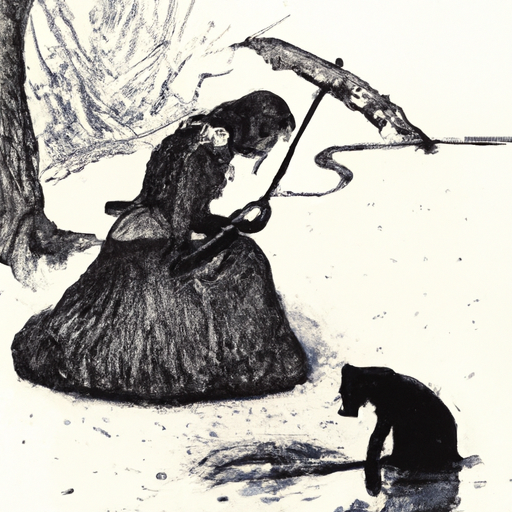
Example of visual style of Franois Schuiten

Franois Schuiten

Franois Schuiten is a Belgian comic book artist and illustrator known for his highly detailed and intricate architectural drawings. His unique visual style, which emerged in the 1980s, combines elements of Art Nouveau and Science Fiction, resulting in a blend of fantastical and futuristic urban landscapes. Schuiten's meticulously crafted illustrations often feature intricate cityscapes, towering buildings, and intricate mechanical structures, creating a sense of awe and wonder. His work became famous for its attention to detail, atmospheric lighting, and his ability to create immersive and otherworldly environments within his drawings.

View StyleExplore Style
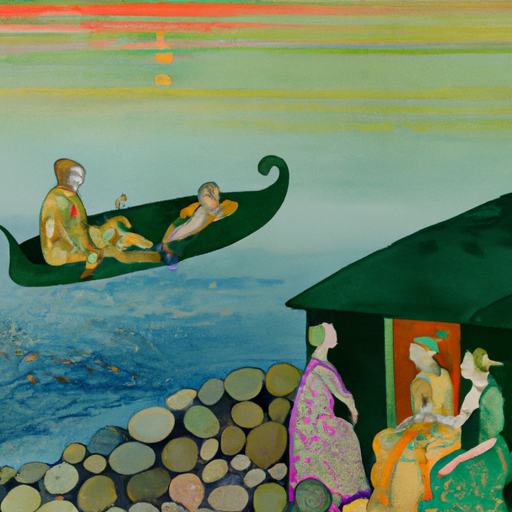
Example of visual style of Howard Pyle

Howard Pyle

Howard Pyle was an American illustrator and author who was influential in the late 19th and early 20th centuries. His visual style is characterized by rich, detailed illustrations, often depicting historical scenes and characters. Pyle's illustrations were famous for their dramatic compositions, strong use of light and shadow, and meticulous attention to costume and historical accuracy. He is best known for his illustrations in books such as 'The Merry Adventures of Robin Hood' and 'King Arthur and His Knights'. Pyle's style helped popularize the concept of the American illustrator as a fine artist.

View StyleExplore Style
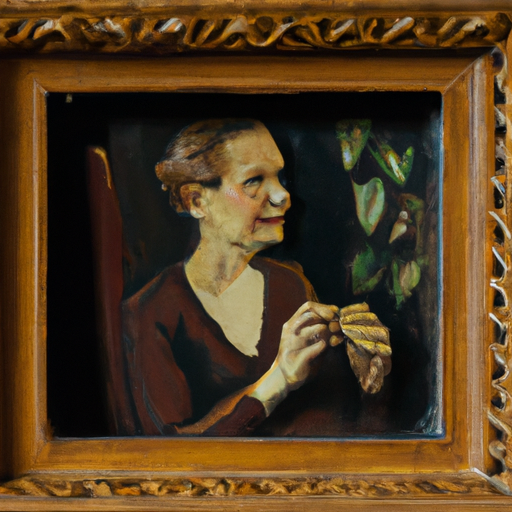
Example of visual style of Jc Leyendecker

Jc Leyendecker

Jc Leyendecker was an influential American illustrator known for his distinctive visual style. He rose to prominence in the early 20th century and became famous for his highly rendered and dynamic illustrations. Leyendecker's style featured a combination of realism and idealism, with his subjects often depicted in dynamic poses and dressed in fashionable attire. His works often captured the spirit of the Roaring Twenties and helped to define the image of the modern American man. Leyendecker's famous Saturday Evening Post covers and advertisements for brands like Arrow Collar became iconic and shaped the visual culture of the time.

View StyleExplore Style
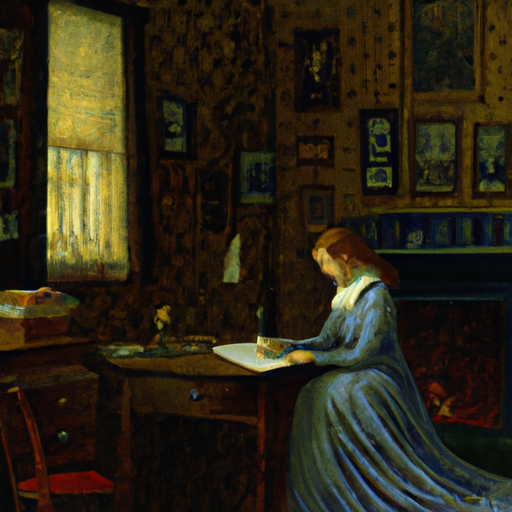
Example of visual style of Jean Paul Goude

Jean Paul Goude

Jean Paul Goude is a French graphic designer, illustrator, and photographer known for his unique and influential visual style. He rose to fame in the 1970s and 1980s for his creative collaborations with the fashion industry and his iconic images that merged art, fashion, and advertising. Goude's work often features vibrant colors, bold compositions, exaggerated proportions, and a playful sense of humor. His use of innovative techniques such as cut-outs, collage, and in-camera tricks revolutionized the field of photography. Goude's visual style is characterized by its dynamism, wit, and theatricality. His innovative approach to image-making made him a pioneer in the world of fashion and advertising, and his iconic works continue to inspire and influence contemporary visual culture.

View StyleExplore Style
Example of visual style of John Tenniel

John Tenniel

John Tenniel was an English illustrator and artist, known for his distinctive visual style that emerged during the Victorian era. He gained fame for his illustrations in Lewis Carroll's "Alice's Adventures in Wonderland" and "Through the Looking-Glass" which were published in 1865 and 1871, respectively. Tenniel's style combined highly detailed and realistic drawings with whimsical, fantastical elements, creating a unique and recognizable aesthetic that became synonymous with Carroll's iconic stories.

View StyleExplore Style
Example of visual style of Kay Nielsen

Kay Nielsen

Kay Nielsen was a Danish illustrator who gained fame for his intricate and enchanting art style in the early 20th century. His work became particularly renowned during the Golden Age of Illustration, a period from the late 19th century to the early 20th century, characterized by the proliferation of illustrated books. Nielsen's illustrations were known for their ethereal and otherworldly quality, often featuring fantastical creatures, elaborate costumes, and intricate details that captured the imagination of readers. His work was heavily influenced by Art Nouveau, with flowing lines, sinuous curves, and intricate patterns. Nielsen's art became famous for its ability to transport viewers into a world of magic and wonder.

View StyleExplore Style
Example of visual style of Lee Hyung Seok

Lee Hyung Seok

Lee Hyung Seok is a renowned South Korean artist and illustrator known for his unique visual style. His style, which emerged in the 2000s, is characterized by its vibrant colors, detailed linework, and whimsical characters. Lee's style often features a combination of fantasy and reality, creating dream-like scenes that captivate the viewer. His use of bold and eye-catching colors, along with meticulous attention to detail, has made his work famous worldwide. Lee Hyung Seok's style has gained recognition for its ability to evoke a sense of wonder and magic in the minds of viewers.

View StyleExplore Style
Example of visual style of Nc Wyeth

Nc Wyeth

Nc Wyeth was an American painter and illustrator during the late 19th and early 20th centuries. His visual style is characterized by highly detailed and vibrant oil paintings with a focus on narrative storytelling. Wyeth became famous for his illustrations of adventure and historical books, particularly for his work on Treasure Island, Robin Hood, and The Last of the Mohicans. His use of dramatic lighting and bold composition techniques brought his subjects to life and established him as one of the most prominent illustrators of his time.

View StyleExplore Style
Example of visual style of Satsuki Igarashi

Satsuki Igarashi

Satsuki Igarashi is a Japanese manga artist and illustrator, known for her delicate and detailed artwork. Her style emerged in the late 1990s and gained popularity in the early 2000s. She is well-known for her work on the manga series 'Cardcaptor Sakura' and 'Tsubasa: Reservoir Chronicle', which were created in collaboration with the manga group CLAMP. Igarashi's style is characterized by its ethereal and dreamlike qualities, with soft lines, intricate patterns, and a vibrant color palette. Her ability to capture emotions and create visually stunning compositions has made her style widely recognized and cherished by fans.

View StyleExplore Style
Example of visual style of Sir John Tenniel

Sir John Tenniel

Sir John Tenniel was a prominent 19th-century British illustrator, known for his iconic contributions to the visual style of Lewis Carroll's Alice's Adventures in Wonderland. His style is characterized by intricate and detailed line work, whimsical and imaginative interpretations of characters, and a blend of realism and fantasy. Tenniel's illustrations for Alice's Adventures in Wonderland, published in 1865, have become widely recognized and have greatly influenced subsequent adaptations and depictions of the story.

View StyleExplore Style
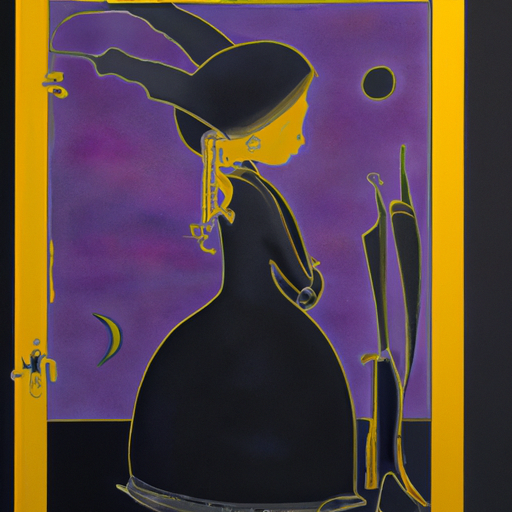
Example of visual style of Yoshio Markino

Yoshio Markino

Yoshio Markino is known for his vibrant and expressive visual style that captured the essence of early 20th century London. Born in 1869 in Japan, Markino moved to London in 1897, where he immersed himself in the city's bustling culture and vibrant art scene. His unique style emerged in the early 1900s and gained recognition for its vivid colors, dynamic compositions, and a fusion of Japanese and Western artistic influences. Markino's artworks beautifully depicted London's landscapes, cityscapes, and its diverse people, showcasing the energy and vitality of the era. His illustrations and paintings often showcased everyday scenes, cultural events, and famous landmarks, offering a fascinating glimpse into the lives of Londoners. Markino's visual style was particularly famous during the early 20th century when he achieved great success as an artist and illustrator.

View StyleExplore Style
Example of visual style of Yoshitaka Tamaki

Yoshitaka Tamaki

Yoshitaka Tamaki is a Japanese illustrator known for his unique and distinct style characterized by vibrant colors, intricate details, and ethereal backgrounds. Born in 1972, Tamaki gained recognition in the 1990s for his illustrations in various manga and anime series, notably 'Cardcaptor Sakura', which became a global sensation. His work captivated audiences with its whimsical and enchanting atmosphere, combining elements of fantasy and surrealism. Tamaki's illustrations often feature delicate and graceful characters with large expressive eyes, adorned with elaborate costumes and adorned with intricate patterns. His intricate attention to detail and ability to create magical worlds made his style famous and highly sought after by fans and collectors alike.

View StyleExplore Style
Home