StylopediaStylopedia

Illustrations styles on Stylopedia

A visual encyclopedia of illustrations styles – use as prompt inspiration for Midjourney, Gemini, or ChatGPT AI when making illustrations images

Example of visual style of American Illustration

American Illustration

American Illustration is a visual style that emerged in the early 20th century and became famous during the mid-20th century. It is characterized by detailed and realistic drawings, often featuring the idealized American way of life. This style gained popularity in the 1940s and 1950s, particularly through the illustrations found in magazines like The Saturday Evening Post. American Illustration showcased the optimism, patriotism, and values of post-war America, capturing scenes of everyday life, family, work, and leisure. It depicted a nostalgic and optimistic view of American society, presenting a polished and idealized vision of the American dream.

View StyleExplore Style
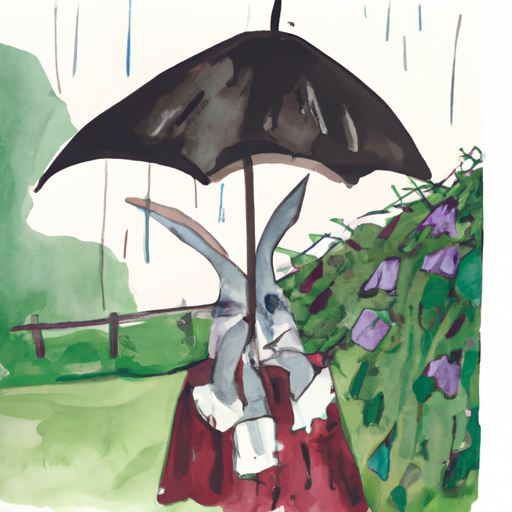
Example of visual style of Beatrix Potter

Beatrix Potter

Beatrix Potter is known for her charming and whimsical illustrations of animals, particularly in her children's books. This visual style became famous in the late 19th and early 20th centuries and is characterized by detailed and realistic depictions of animals in anthropomorphic settings. Potter's illustrations gained popularity through her iconic series of books, such as 'The Tale of Peter Rabbit.' Her delicate watercolor technique and attention to naturalistic details made her work stand out and captivated readers of all ages.

View StyleExplore Style
Example of visual style of Charles Eisen

Charles Eisen

Charles Eisen was a French painter and engraver, known for his delicate and graceful Rococo style. Born in 1720, Eisen became famous during the mid-18th century. His intricate details, elegant compositions, and use of soft colors made him a prominent figure in the Rococo movement. Eisen was particularly known for his illustrations of literature, including the famous works of Voltaire. His style captured the spirit of the Rococo era, characterized by ornate and whimsical designs, and became highly influential during this time.

View StyleExplore Style
Example of visual style of Comic Art

Comic Art

Comic Art is a visual style that originated in the early 20th century and gained popularity through the creation of comic books. It is characterized by exaggerated and colorful illustrations, often featuring bold lines and defined contours. The style became famous in the 1930s with the introduction of iconic comic book characters like Superman and Batman. Comic Art combines storytelling, dialogue, and visual elements to convey narratives in a sequential format, engaging readers of all ages.

View StyleExplore Style
Example of visual style of Comic Book Artists

Comic Book Artists

Comic Book Artists is a visual style that became popular in the mid-20th century, particularly during the Golden Age of Comics from the 1930s to the 1950s. It is characterized by vibrant and bold illustrations with strong outlines, often resembling the art found in traditional comic books. This style gained fame through its association with iconic comic book artists such as Jack Kirby, Stan Lee, Will Eisner, and Frank Miller, who revolutionized the medium with their distinct visual storytelling techniques.

View StyleExplore Style
Example of visual style of Comic Strip

Comic Strip

Comic Strip is a visual style that emulates the look and feel of comic strips, which became popular in the early 20th century and is still widely recognized today. This style uses bold, black outlines to define the characters and objects, and vibrant colors to create a visually appealing and dynamic appearance. The popularity of comic strips skyrocketed in the 1930s with the introduction of iconic characters like Superman, Batman, and Mickey Mouse. The ability to tell stories through a combination of illustrations and dialogue made this style accessible and entertaining to a wide audience.

View StyleExplore Style
Example of visual style of Comic Strip Art

Comic Strip Art

Comic Strip Art is a visual style characterized by bold, vibrant colors, exaggerated proportions, and clear black outlines reminiscent of traditional comic book illustrations. This style gained popularity during the early 20th century and became a prominent form of visual storytelling in newspapers and magazines. The use of speech bubbles, panel layouts, and narrative captions made comic strips an accessible and engaging medium for conveying narratives and humor. Famous comic strip artists such as Winsor McCay, Charles M. Schulz, and Bill Watterson helped popularize this style and have left a lasting impact on the world of cartooning and illustration.

View StyleExplore Style
Example of visual style of Eh Shepard

Eh Shepard

Eh Shepard is a visual style that emerged in the early 20th century and is best known for its whimsical and charming illustrations. Shepard gained fame for his iconic illustrations in A.A. Milne's Winnie-the-Pooh books, which were published between 1926 and 1928. His delicate and intricate pen and ink drawings brought the beloved characters to life, captivating readers of all ages. Shepard's style is characterized by its attention to detail, expressive line work, and ability to evoke emotions through simple yet powerful imagery.

View StyleExplore Style
Example of visual style of Everett Shinn

Everett Shinn

Everett Shinn was an American artist known for his depictions of urban life in the early 20th century. Active during the Ashcan School movement, Shinn's visual style captured the energy and vibrancy of city streets, theaters, and cafes. His work often portrayed bustling crowds, illuminated by the glow of electric lights. Shinn's famous illustrations for the New York Press brought him recognition, and he also contributed to The Masses, a prominent political and cultural magazine of the time.

View StyleExplore Style
Example of visual style of Lady Murasaki Shikibu

Lady Murasaki Shikibu

Lady Murasaki Shikibu is known for her exquisite calligraphy and intricate hand-painted illustrations. This visual style emerged during the Heian period in Japan, particularly between the years 1008 and 1010, when Lady Murasaki Shikibu wrote 'The Tale of Genji'. The art in this style is characterized by delicate brushwork, rich color palettes, and meticulous attention to detail. Lady Murasaki Shikibu's illustrations elevated the art of storytelling, and her work continues to be celebrated for its beauty and elegance.

View StyleExplore Style
Example of visual style of Loish

Loish

Loish is a digital art style characterized by its vibrant colors, whimsical characters, and captivating storytelling. Developed by Lois van Baarle, a Dutch digital artist, the style gained popularity in the early 2000s through her prolific online presence and unique artistic approach. Loish's work often features imaginative female characters with flowing hair, expressive eyes, and intricate details. The style is known for its seamless blending of organic shapes and elements with digital art techniques, resulting in visually stunning and emotionally evocative illustrations.

View StyleExplore Style
Example of visual style of Ludwig Richter

Ludwig Richter

Ludwig Richter was a German painter and illustrator known for his detailed and realistic style. Active during the 19th century, he gained fame for his landscape paintings, portraits, and illustrations for fairy tales, folk stories, and literature. Richter's work is characterized by its meticulous attention to detail, vibrant colors, and strong emphasis on capturing the essence of everyday life. He often depicted scenes from rural settings, capturing the charm and beauty of the German countryside. Ludwig Richter's art became famous for its ability to transport viewers to the depicted time and place, evoking emotions and nostalgia.

View StyleExplore Style
Example of visual style of Manga Artists

Manga Artists

Manga Artists is a visual style that originates from Japan and is characterized by its unique comic book-like illustrations. It became popular in the late 20th century and continues to be influential today. Manga Artists gained fame through the publication of popular manga series such as Dragon Ball, One Piece, and Naruto which introduced dynamic characters, exaggerated expressions, and intricate storytelling. This style often features large, expressive eyes, vibrant colors, and stylized hair and costumes.

View StyleExplore Style
Example of visual style of Maurice Sendak

Maurice Sendak

Maurice Sendak's visual style, which emerged in the mid-20th century, is renowned for its whimsical and dark illustrations that capture the imagination of both children and adults. He gained fame with his iconic book 'Where the Wild Things Are' published in 1963, which showcased his ability to portray complex emotions through his characters and settings. Sendak's mastery of intricate line work, cross-hatching, and use of muted colors sets his visual style apart. His ability to blend both realism and imagination creates an enchanting and dream-like world that has captivated generations.

View StyleExplore Style

Home