StylopediaStylopedia

Identity styles on Stylopedia

A visual encyclopedia of identity styles – use as prompt inspiration for Midjourney, Gemini, or ChatGPT AI when making identity images

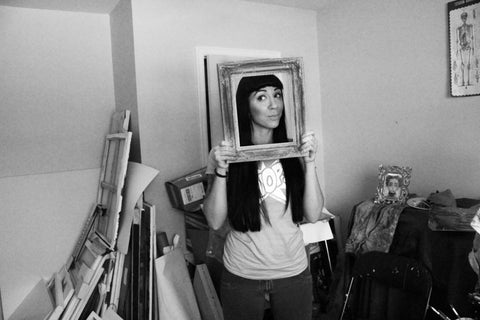
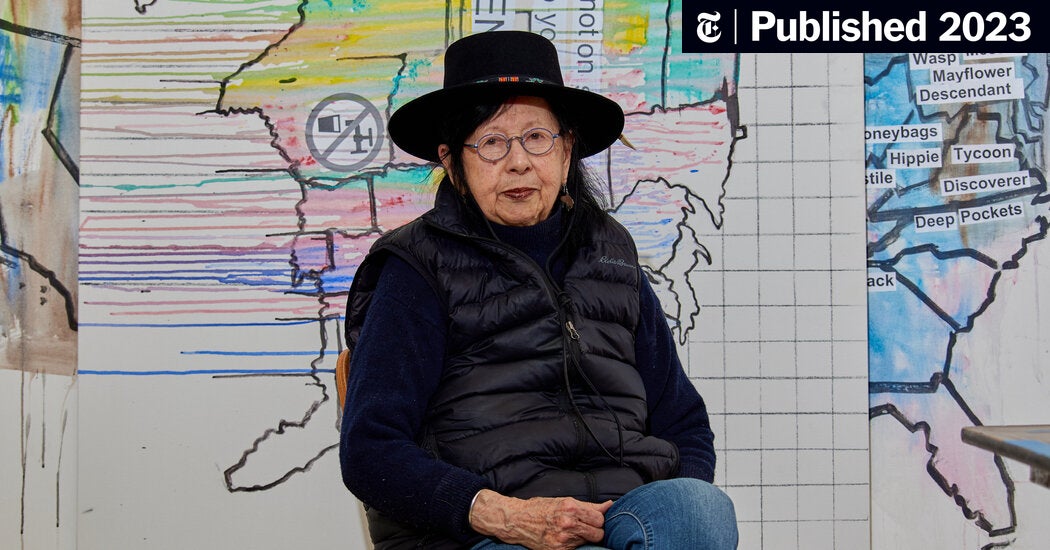
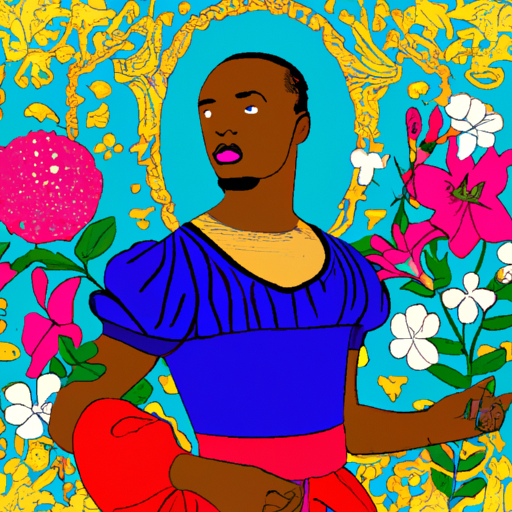
Example of visual style of Amy Sherald

Amy Sherald

Amy Sherald is an American artist known for her distinctive style of portrait painting that features vibrant colors, grayscale skin tones, and a unique combination of realism and abstraction. Her work gained international recognition in 2018 when her portrait of former First Lady Michelle Obama was unveiled at the National Portrait Gallery in Washington, D.C. Sherald's style is influenced by Realism and Postmodernism, and she often explores themes of African American identity, representation, and social justice in her artwork.

View StyleExplore Style
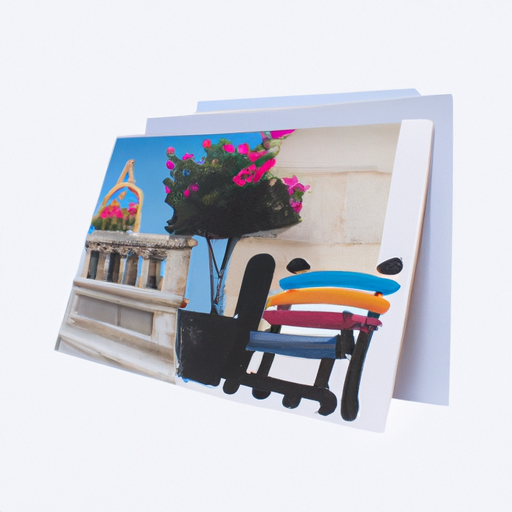
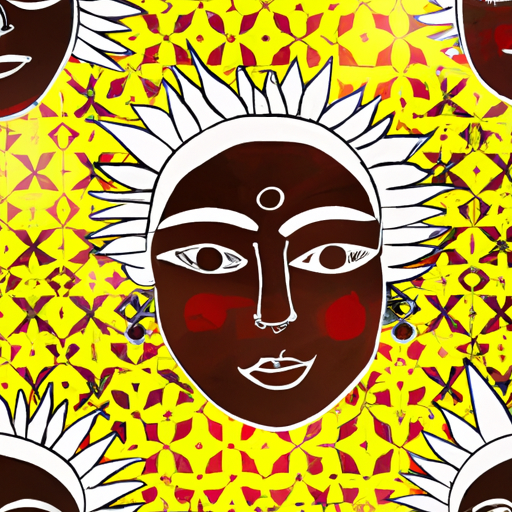
Example of visual style of Barbara Hammer

Barbara Hammer

Barbara Hammer is known for her experimental and avant-garde visual style in film-making. She rose to prominence in the 1970s and became a pioneer of queer cinema. Hammer's work often explored themes of sexuality, gender, and identity, challenging societal norms and pushing the boundaries of artistic expression. Her use of innovative techniques, such as multiple exposures and hand processing, added a distinct visual dimension to her films. Through her work, Hammer became an influential figure in the feminist and LGBTQ+ art movements.

View StyleExplore Style
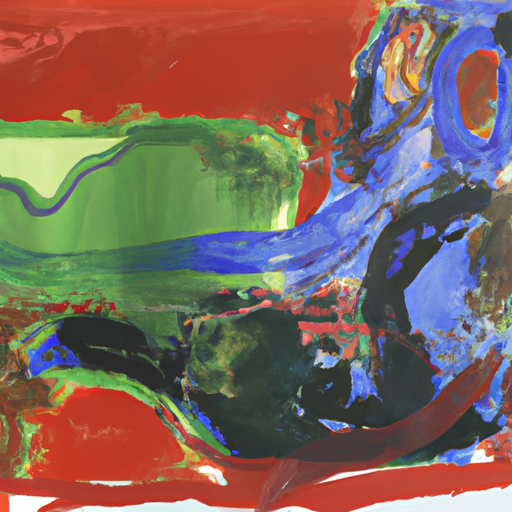
Example of visual style of Betye Saar

Betye Saar

Betye Saar is a visual artist known for her distinctive assemblage art. She gained recognition in the 1960s and 1970s for her powerful exploration of race, gender, and identity in American society. Saar's work often incorporates found objects, such as old photographs, dolls, and furniture, which she arranges into thought-provoking and thought-provoking compositions. Through her art, Saar addresses themes of racial inequality, cultural stereotypes, and the African American experience, highlighting the importance of social and political issues. Her works have become iconic symbols of the Black Arts Movement and continue to influence contemporary artists.

View StyleExplore Style
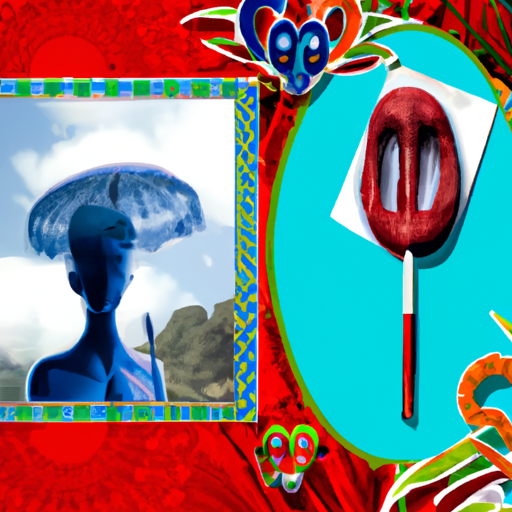
Example of visual style of Charles Ray

Charles Ray

Charles Ray is a contemporary visual artist who is known for his hyperrealistic sculptures. His work gained fame in the 1990s for its meticulous attention to detail and for challenging notions of scale and perception. Ray's sculptures often explore themes of human identity and the relationship between the body and its environment. Through his use of lifelike materials and precise craftsmanship, he creates visually stunning and thought-provoking artworks that blur the boundaries between reality and artifice.

View StyleExplore Style
Example of visual style of Cindy Sherman

Cindy Sherman

Cindy Sherman is a visual artist known for her iconic self-portraits that explore the construction of identity, gender, and societal stereotypes. Her work gained prominence in the late 1970s and early 1980s, challenging the traditional notions of self-portraiture and photography. Sherman's use of costumes, prosthetics, and various props allowed her to transform into different characters, often referencing art history, film, and popular culture. The ambiguity of her photographs and the ability to assume different personas made Cindy Sherman a leading figure in the postmodern art movement.

View StyleExplore Style
Example of visual style of Feminist Art

Feminist Art

Feminist Art emerged in the late 1960s and early 1970s as a movement that aimed to challenge and critique the dominant male-centric art world. It sought to bring attention to the experiences of women and explore issues of gender, sexuality, and identity. With its roots in the feminist movement, this style gained prominence by highlighting social and political inequalities. Famous feminist artists like Judy Chicago and Guerrilla Girls used various mediums to express their messages, including painting, sculpture, performance art, and photography.

View StyleExplore Style
Example of visual style of Feminist Art Movement

Feminist Art Movement

The Feminist Art Movement emerged in the late 1960s and gained prominence in the 1970s. It aimed to challenge and overturn patriarchal norms in art and society, advocating for gender equality and women's rights. Feminist art used various mediums such as painting, sculpture, performance art, and photography to explore women's experiences, identities, and the social construct of gender. Notable artists like Judy Chicago, Cindy Sherman, and Faith Ringgold played instrumental roles in popularizing feminist art and sparking important debates around representation, sexuality, and power dynamics in the art world.

View StyleExplore Style
Example of visual style of Fiona Banner

Fiona Banner

Fiona Banner is a contemporary British artist known for her use of text-based artwork and immersive installations. Her style is characterized by its minimalistic and conceptual nature, often incorporating language as the central element of her pieces. Banner gained recognition in the late 1990s for her 'wordscapes,' large-scale text installations that use words and typography to create visual landscapes. She became famous for her attention to detail and bold use of language to explore themes of communication, power, and identity.

View StyleExplore Style
Example of visual style of Francesca Woodman

Francesca Woodman

Francesca Woodman was an American photographer known for her black and white self-portraits. Her works were produced in the late 1970s and early 1980s. Woodman's style is characterized by surreal and haunting compositions, often exploring themes of identity, femininity, and the body. Her photographs blend elements of performance and vulnerability, capturing herself in ethereal and ghostly settings. Woodman's work gained recognition posthumously and has influenced subsequent generations of photographers.

View StyleExplore Style
Example of visual style of Francesco Clemente

Francesco Clemente

Francesco Clemente is an Italian contemporary artist known for his diverse range of styles and mediums. His visual style combines elements of postmodernism, neo-expressionism, and traditional Indian art. Clemente gained popularity in the 1980s for his vivid and intensely personal works that often incorporated symbolic and dreamlike imagery. His paintings, drawings, and mixed-media pieces explore themes of spirituality, identity, and sexuality. Clemente's distinct style and exploration of cultural and spiritual themes made him a prominent figure in the contemporary art world during the 1980s.

View StyleExplore Style
Example of visual style of François Truffaut

François Truffaut

The visual style of François Truffaut is characterized by naturalistic and documentary-like filmmaking techniques. Truffaut was a prominent figure of the French New Wave movement in cinema during the late 1950s and 1960s. His style became famous for its improvisational nature, handheld camera work, jump cuts, and an emphasis on realistic and personal storytelling. Truffaut's films are often associated with a sense of romanticism and a focus on the complexities of human relationships. He is known for his exploration of themes such as love, desire, childhood, and the fragility of identity. Truffaut's visual style influenced a generation of filmmakers and continues to be revered for its intimate and honest portrayal of life.

View StyleExplore Style
Example of visual style of Gary Hume

Gary Hume

Gary Hume is a contemporary British artist known for his distinctive visual style. He gained prominence in the early 1990s as part of the Young British Artists (YBAs) movement. Hume's style can be characterized by his use of vibrant colors, simplified forms, and high-gloss surfaces. He often creates large-scale paintings that explore themes of identity, beauty, and popular culture. His work has been exhibited worldwide and has had a significant impact on the contemporary art scene.

View StyleExplore Style
Example of visual style of Georg Baselitz

Georg Baselitz

Georg Baselitz is a German painter and sculptor known for his expressive and figurative style. His visual style emerged in the late 1960s and became famous for his upside-down approach to painting, where he would depict figures and landscapes inverted. This unique technique challenged traditional conventions and created a sense of disorientation and introspection in the viewer. Baselitz's work often explores themes of identity, history, and memory, with a focus on the post-World War II era. His bold and emotive brushwork, along with his provocative subject matter, have made him one of the leading figures in contemporary German art.

View StyleExplore Style
Example of visual style of Ghibli Studio

Ghibli Studio

Ghibli Studio is a renowned Japanese animation studio that became popular in the late 20th century. It was founded in 1985 by Hayao Miyazaki and Isao Takahata. Ghibli Studio is famous for its visually stunning and emotionally captivating animated films. Their movies, such as 'My Neighbor Totoro', 'Princess Mononoke', and 'Spirited Away', have gained worldwide recognition for their creative storytelling, imaginative worlds, and attention to detail. The studio's unique animation style combines hand-drawn and digital techniques to create a distinct and enchanting visual experience. The films often explore themes of nature, identity, and human relationships, captivating audiences of all ages.

View StyleExplore Style
Example of visual style of Gus Van Sant

Gus Van Sant

Gus Van Sant's visual style is characterized by his naturalistic approach, focusing on capturing intimate and raw emotions of his characters. His style became famous in the 1990s with films like 'Drugstore Cowboy' (1989), 'My Own Private Idaho' (1991), and 'Good Will Hunting' (1997), which explored themes of alienation, identity, and human connection. Van Sant's use of long takes, handheld camera work, and his ability to create a sense of authenticity through improvisation and non-professional actors, became his distinct hallmark.

View StyleExplore Style

Example of visual style of Hannah Hoch

Hannah Hoch

Hannah Hoch was a German artist associated with the Dada movement in the early 20th century. She is best known for her pioneering work in photomontage, which involved cutting and rearranging photographs to create collages that challenged traditional notions of gender, identity, and culture. Active during the 1920s and 1930s, Hoch's work reflected the political and social upheaval of the time, incorporating images from popular media and fashion magazines to critique societal norms and expose the contradictions of the Weimar Republic in Germany.

View StyleExplore Style
Example of visual style of Hideo Kojima

Hideo Kojima

Hideo Kojima is a Japanese video game designer known for his distinctive visual style that combines cinematic storytelling with advanced technology. His style gained fame through the creation of the renowned 'Metal Gear' series which began in 1987. Kojima's visual style is characterized by intricate and detailed environments, futuristic and industrial settings, and a blend of realism and science fiction. His games often feature complex narratives with philosophical themes, exploring concepts of identity, power, and the nature of humanity. Kojima's unique visual style has made him one of the most influential figures in the gaming industry.

View StyleExplore Style
Example of visual style of Jacques Rivette

Jacques Rivette

Jacques Rivette was a French filmmaker known for his unique and innovative visual style. Active from the 1960s until his death in 2016, Rivette's films were characterized by their long running times, complex narratives, and improvisational approach. He was a central figure in the French New Wave movement, alongside directors such as Jean-Luc Godard and François Truffaut. Rivette's films were often marked by their exploration of identity, performance, and the blurred boundaries between reality and fiction.

View StyleExplore Style
Example of visual style of Lee Bul

Lee Bul

Lee Bul is a Korean contemporary artist known for her thought-provoking and multidisciplinary works. She rose to prominence in the 1990s with her provocative installations and sculptures. Combining science-fiction imagery, futuristic elements, and references to body politics, her works often explore themes of identity, beauty, and the human condition. Lee Bul's use of unconventional materials and her ability to create immersive environments have made her famous in the art world.

View StyleExplore Style
Example of visual style of Logo Design

Logo Design

Logo Design is the art of creating unique and impactful visual representations of brands or organizations. Dating back to the early 20th century, logo design became famous during the rise of advertising and branding. Logos are intended to capture the essence of a company or product in a simple and memorable way, often combining typography, shapes, and symbols to create a distinct identity. Today, logos are widely recognized and play a crucial role in brand recognition and communication.

View StyleExplore Style

Example of visual style of Lorna Simpson

Lorna Simpson

Lorna Simpson is known for her unique combination of photography and text to explore themes of gender, race, identity, and representation. Her work emerged in the 1980s and gained critical acclaim for its innovative approach in addressing societal issues. Simpson became famous for her iconic and thought-provoking series 'Guarded Conditions' in 1989, which featured large-scale photographs with inserted text panels. This series challenged traditional notions of perception and interpretation by combining images and language to create layered narratives.

View StyleExplore Style

Example of visual style of Mamoru Oshii

Mamoru Oshii

Mamoru Oshii is a Japanese filmmaker known for his distinct visual style characterized by atmospheric and philosophical storytelling. His works gained fame in the 1990s, particularly with the movie 'Ghost in the Shell' released in 1995. Oshii's style often features a blend of traditional animation and CGI, creating a unique and visually stunning experience. His films are characterized by their introspective and thought-provoking narratives, exploring themes of existentialism, identity, and the relationship between humans and technology.

View StyleExplore Style

Home