StylopediaStylopedia

Idealized styles on Stylopedia

A visual encyclopedia of idealized styles – use as prompt inspiration for Midjourney, Gemini, or ChatGPT AI when making idealized images

Example of visual style of Alberto Vargas

Alberto Vargas

Alberto Vargas was a renowned Peruvian artist known for his glamorous and sensual pin-up illustrations. Active primarily from the 1910s to the 1970s, Vargas' style became widely recognized during the 1940s and 1950s, gaining fame through his work for Esquire magazine and his iconic Varga Girl illustrations. His realistic yet idealized portrayals of beautiful women in seductive poses garnered him a dedicated following and contributed to the rise of pin-up art as a popular form of visual expression.

View StyleExplore Style
Example of visual style of Classic Hollywood

Classic Hollywood

Classic Hollywood is a visual style that emerged in the 1920s and dominated American cinema until the 1960s. It is characterized by glamorous and idealized portrayals of life, often depicting the upper class and their struggles. This style became famous for its grand sets, lavish costumes, and dramatic lighting techniques. It was during this period that Hollywood became the center of the film industry, producing iconic movies and stars that are still celebrated today.

View StyleExplore Style
Example of visual style of Greek Art

Greek Art

Greek Art refers to the visual arts and architecture produced in Ancient Greece from the 9th century BCE to the 1st century AD. This style is famous for its emphasis on naturalistic representation, idealized human figures, and symmetrical compositions. The period between the 5th and 4th centuries BCE, known as the Classical period, is particularly renowned for its contributions to Greek Art. The art of this period showcased balance, harmony, and a sense of ideal beauty. It influenced much of Western art and continues to be admired for its timeless aesthetics.

View StyleExplore Style
Example of visual style of Jacques Louis David

Jacques Louis David

Jacques Louis David was a prominent neoclassical painter in the late 18th to early 19th century. He is known for his highly precise and detailed compositions, often depicting historical and mythological subjects. David's works were characterized by their sharp lines, clear forms, and intense use of light and shadow. His paintings were highly structured and idealized, often showcasing heroic figures and scenes of political significance. Some of his famous works include 'The Death of Socrates' (1787) and 'Napoleon Crossing the Alps' (1801). David's style became famous for its grandeur, dramatic storytelling, and allegiance to classical ideals.

View StyleExplore Style
Example of visual style of Neoclassical Artists

Neoclassical Artists

Neoclassical Artists refers to a visual style that emerged in the late 18th and early 19th centuries in Europe. Influenced by the revival of classical Greek and Roman art, this style emphasized harmony, order, and a return to the ideals of ancient civilizations. Neoclassical Artists sought to capture the grandeur and beauty of antiquity through their art, depicting historical and mythological scenes, as well as portraits of prominent figures. This style became famous for its attention to detail, use of classical motifs, and a sense of idealized perfection.

View StyleExplore Style
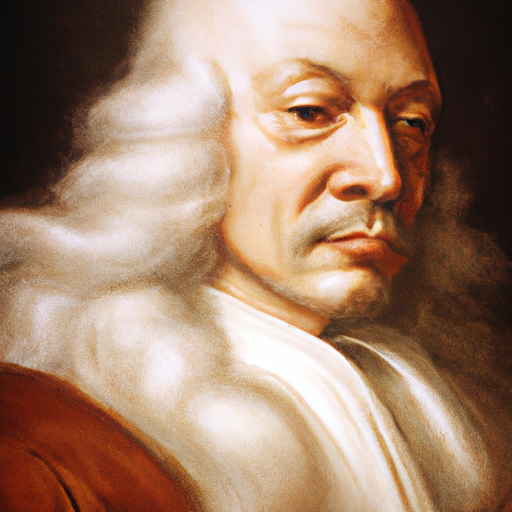
Example of visual style of Sculpture Of Phidias

Sculpture Of Phidias

Sculpture of Phidias is a style of ancient Greek sculpture influenced by the prominent artist Phidias in the 5th century BCE. This style is characterized by its idealized and serene representation of human figures, with an emphasis on anatomical accuracy and lifelike proportions. Phidias' work showcased his expert craftsmanship and attention to detail, and his sculptures, particularly those found in the Parthenon in Athens, became iconic symbols of Greek art and culture.

View StyleExplore Style
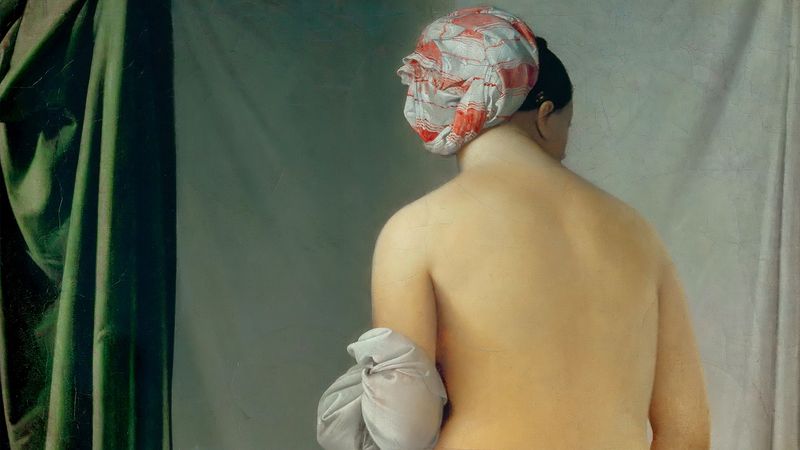
Example of visual style of William Adolphe Bouguereau

William Adolphe Bouguereau

William Adolphe Bouguereau was a French academic painter known for his realistic and idealized portrayals of women and mythological subjects. He gained popularity during the late 19th and early 20th centuries for his meticulous attention to detail, use of delicate brushwork, and emphasis on traditional academic techniques. Bouguereau's works were celebrated for their technical proficiency and sentimental subject matter, often depicting classical themes with a focus on beauty and sensuality. He achieved great fame and success in his lifetime and became one of the leading figures of the academic art movement.

View StyleExplore Style
Home