StylopediaStylopedia

Iconic styles on Stylopedia

A visual encyclopedia of iconic styles – use as prompt inspiration for Midjourney, Gemini, or ChatGPT AI when making iconic images

Example of visual style of Adrian Carmack

Adrian Carmack

Adrian Carmack is a visual style known for his dark and gruesome artwork. He rose to fame in the early 1990s as one of the co-founders of id Software, where he was responsible for the visual design of iconic video games such as Doom and Quake. Carmack's style is characterized by detailed and often grotesque imagery, featuring nightmarish creatures, blood, and gore. His work in video games revolutionized the first-person shooter genre and influenced many other artists and game designers. He continues to be recognized as a pioneer in the field of digital art.

View StyleExplore Style
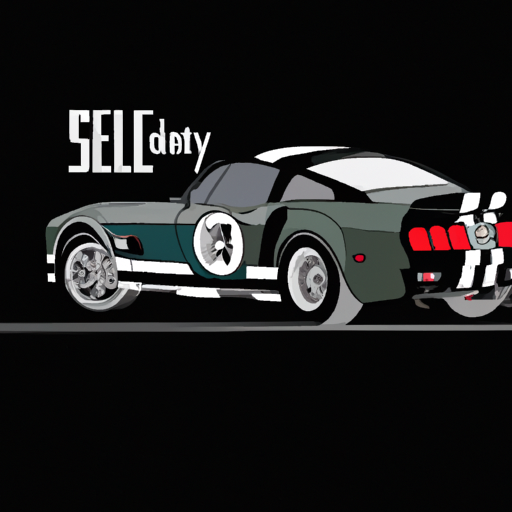
Example of visual style of American Muscle Cars

American Muscle Cars

American Muscle Cars refers to a style of high-performance automobiles produced in the United States between the 1960s and 1970s. These iconic vehicles were characterized by their powerful engines, aggressive designs, and extreme horsepower. Some famous muscle car models include the Ford Mustang, Chevrolet Camaro, and Dodge Charger. American Muscle Cars became famous for their representation of the American automotive industry's obsession with power and speed.

View StyleExplore Style
Example of visual style of Atari

Atari

Atari is a visual style that became popular during the 1970s and 1980s. Known for its pixelated graphics and simple yet iconic designs, Atari was one of the pioneering companies in the early video game industry. Its games and consoles like the Atari 2600 revolutionized home entertainment and laid the foundation for modern gaming. The style is characterized by bold, bright colors, blocky shapes, and a retro aesthetic that has continued to inspire contemporary artists and designers.

View StyleExplore Style
Example of visual style of Charles Eames

Charles Eames

The Charles Eames visual style emerged during the mid-20th century, from the 1940s to the 1970s. It is known for its innovative and iconic designs in furniture, architecture, and industrial design. Charles Eames, along with his wife Ray Eames, pioneered the use of new materials, especially molded plywood, in their creations. Their furniture pieces, such as the Eames Lounge Chair and Ottoman, became famous for their combination of comfort, functionality, and elegance. The Eameses' designs were characterized by clean lines, organic shapes, and a balance between form and function.

View StyleExplore Style
Example of visual style of Charles Schulz

Charles Schulz

Charles Schulz is known for his iconic comic strip 'Peanuts', which ran from 1950 to 2000. His visual style is characterized by simple and minimalist linework, expressive and relatable characters, and a minimal color palette. Schulz's art style revolutionized the comic strip industry, showcasing the everyday struggles and humor in the lives of ordinary people, particularly children. His relatable characters like Charlie Brown, Snoopy, and Lucy captured the hearts of millions, depicting both the joy and angst of childhood with charm and wit. Schulz's work has become an enduring cultural phenomenon and continues to inspire artists and designers worldwide.

View StyleExplore Style

Example of visual style of Charlie Brown

Charlie Brown

The visual style of Charlie Brown is a simplistic and minimalistic art style characterized by its hand-drawn, black and white comic strip aesthetic. This style was made famous through the popular comic strip 'Peanuts' created by Charles M. Schulz. Running from 1950 to 2000, 'Peanuts' explored the everyday lives and musings of a group of young children, with Charlie Brown as the central character. The distinctive visual style of 'Charlie Brown' became iconic and instantly recognizable, capturing the essence of childhood innocence and introspection.

View StyleExplore Style
Example of visual style of Chip Foose

Chip Foose

Chip Foose is a renowned American automobile designer and the founder of Foose Design. His visual style is characterized by a unique blend of classic and modern design elements. Foose gained fame in the late 1990s and early 2000s through his appearances on the reality TV show 'Overhaulin' and his innovative custom car creations. He became famous for his ability to transform ordinary vehicles into extraordinary works of art, combining sleek lines, custom bodywork, and impeccable paint finishes. Foose's attention to detail and his ability to capture the essence of each car he works on have made him an iconic figure in the automotive design world.

View StyleExplore Style

Example of visual style of Classic Hollywood

Classic Hollywood

Classic Hollywood is a visual style that emerged in the 1920s and dominated American cinema until the 1960s. It is characterized by glamorous and idealized portrayals of life, often depicting the upper class and their struggles. This style became famous for its grand sets, lavish costumes, and dramatic lighting techniques. It was during this period that Hollywood became the center of the film industry, producing iconic movies and stars that are still celebrated today.

View StyleExplore Style
Example of visual style of Coca Cola

Coca Cola

Coca Cola is a classic and iconic visual style that originated in the late 19th century. With its distinct red and white color scheme, the Coca Cola style is instantly recognizable and has become synonymous with the brand. It gained significant popularity starting in the early 20th century due to its innovative marketing campaigns, which featured Santa Claus and became deeply associated with Christmas. The style is characterized by nostalgic and timeless imagery, typography, and advertising artwork that evoke a sense of warmth, happiness, and Americana. The Coca Cola visual style continues to be celebrated and reproduced to this day, making it one of the most famous and enduring visual styles in the world.

View StyleExplore Style
Example of visual style of Colleen Atwood

Colleen Atwood

Colleen Atwood is known for her visually stunning and intricately detailed costume designs in film. With a career spanning several decades, she rose to prominence in the 1990s and 2000s as a powerhouse in the industry. Atwood's style showcases a masterful blend of historical accuracy, fantasy, and contemporary elements, creating costumes that not only enhance character development but also become iconic in their own right. Her attention to detail, creative use of color and texture, and ability to capture the essence of different time periods and fictional worlds have made her a highly sought-after costume designer.

View StyleExplore Style
Example of visual style of Daffy Duck

Daffy Duck

Daffy Duck is a visual style associated with the Looney Tunes character of the same name. It emerged in the late 1930s and became particularly famous during the 1940s and 1950s. This style is characterized by Daffy Duck's exaggerated and zany appearance, featuring a white feathered body, orange beak, and wide eyes. Daffy Duck's energetic and frenetic personality, known for his loud and erratic behavior, brought this visual style to life and made it iconic in the world of animation.

View StyleExplore Style
Example of visual style of DC Comics

DC Comics

The visual style of DC Comics is bold, dynamic, and vibrant. With a history that dates back to 1934, DC Comics has become famous for its iconic characters and compelling storytelling. The style gained popularity in the mid-20th century with the introduction of superheroes like Superman, Batman, and Wonder Woman. DC Comics is known for its strong use of primary colors, exaggerated proportions, and dramatic action scenes. The distinctive look of DC Comics has been influential in the world of comic books and has served as the foundation for numerous adaptations in film and television.

View StyleExplore Style
Home