
StylopediaStylopedia

Hyperrealistic styles on Stylopedia

A visual encyclopedia of hyperrealistic styles – use as prompt inspiration for Midjourney, Gemini, or ChatGPT AI when making hyperrealistic images

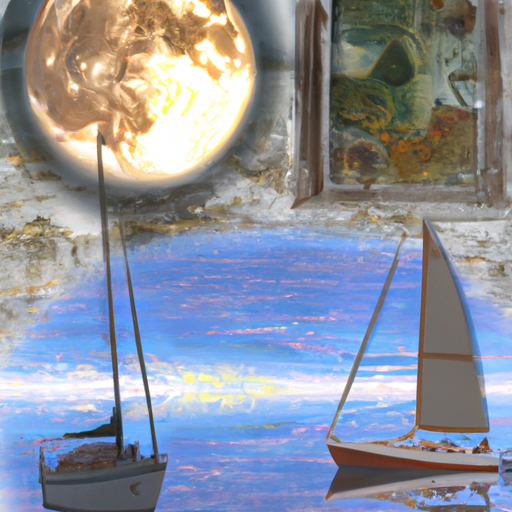
Example of visual style of Malcolm Morley

Malcolm Morley

Malcolm Morley is an artist known for his photorealist and abstract expressionist style. He gained fame in the 1960s and 1970s for his large-scale paintings that combined realistic and abstract elements. Morley's work often depicted scenes from history, landscapes, and still lifes. He became famous for his ability to create hyperrealistic images using photographs as references. Morley's unique approach and technical skill made him a prominent figure in the contemporary art world.

View StyleExplore Style

Example of visual style of Photorealism

Photorealism

Photorealism is an art style that emerged in the late 1960s and gained popularity in the 1970s. It is characterized by the meticulous attention to detail and the artistic replication of photographs. Artists working in this style exhibit an exceptional ability to reproduce the minutest aspects of the subject matter, resulting in paintings that are almost indistinguishable from photographs. Photorealism gained fame for challenging traditional art concepts and blurring the boundaries between photography and painting.

View StyleExplore Style
Example of visual style of Ron Mueck

Ron Mueck

Ron Mueck is a visual artist known for his hyperrealistic sculptures. His works became famous in the early 21st century for their astonishing level of detail and size. Mueck's sculptures often depict either oversized or undersized human figures, which create a sense of unease and fascination. He first gained widespread recognition in 1997 with his sculpture 'Dead Dad,' exhibited at the Royal Academy of Arts in London. Mueck's meticulous craftsmanship and ability to capture human emotion through his sculptures have made him a notable figure in contemporary art.

View StyleExplore Style
Home