StylopediaStylopedia

Humorous styles on Stylopedia

A visual encyclopedia of humorous styles – use as prompt inspiration for Midjourney, Gemini, or ChatGPT AI when making humorous images

Example of visual style of Al Jaffee

Al Jaffee

Al Jaffee is known for his distinctive cartooning style that is characterized by sharp and exaggerated lines, intricate detail, and a humorous and satirical tone. His style became famous through his work in Mad Magazine, especially in the fold-ins and the iconic Mad Fold-In feature. The precision and wit in his drawings, along with his ability to cleverly twist images and ideas, made Al Jaffee highly recognized in the field of cartooning. He has been active in the industry since the 1950s.

View StyleExplore Style

Example of visual style of Asterix Series

Asterix Series

The Asterix series is a visually distinct comic book style popularized by French authors Albert Uderzo and René Goscinny. The style originated in the year 1959 with the release of the first Asterix comic, Asterix the Gaul. The series gained fame for its vibrant and detailed illustrations, dynamic action sequences, and humorous storytelling. The unique visual style of Asterix incorporates exaggerated characters with large noses and expressive facial features. The comics also feature intricate backgrounds and detailed depictions of historical settings, which blend humor and satire. Overall, the Asterix series is known for its lively and colorful visuals, making it a timeless classic in the world of comics.

View StyleExplore Style

Example of visual style of Barry Blitt

Barry Blitt

Barry Blitt is a contemporary American illustrator and cartoonist known for his distinctive and satirical style. His career in the field of visual arts began in the 1990s, and he gained prominence through his work for The New Yorker magazine. Blitt became especially famous for his provocative and often controversial cover illustrations, which cleverly comment on various political and cultural issues of the time. His illustrations are characterized by their bold and expressive linework, exaggerated figures, and a touch of whimsy. Blitt's visual style combines humor, wit, and social commentary, making his work instantly recognizable and highly influential in the world of illustration.

View StyleExplore Style

Example of visual style of Berkeley Breathed

Berkeley Breathed

Berkeley Breathed is an American cartoonist known for his distinct visual style in comic strips and children's books. His style became famous in the 1980s with the introduction of his comic strip 'Bloom County', which featured a mix of humorous and satirical storytelling. Breathed's style is characterized by vibrant color palettes, exaggerated character designs, and detailed backgrounds. His use of exaggerated expressions and dynamic poses adds a comedic and lively element to his works.

View StyleExplore Style
Example of visual style of Boule Et Bill

Boule Et Bill

Boule Et Bill is a visual style that originated in the mid-20th century, particularly in the late 1950s and early 1960s. It became famous for its vibrant and playful illustrations, which depict the adventures of a young boy named Boule and his loyal dog Bill. The style gained popularity due to its lively and humorous storytelling, relatable characters, and its ability to cater to both children and adults. Boule Et Bill is known for its use of bold and colorful drawings, with exaggerated expressions and whimsical details bringing the characters and their world to life.

View StyleExplore Style
Example of visual style of Calvin And Hobbes

Calvin And Hobbes

Calvin and Hobbes is a comic strip that was created by Bill Watterson in 1985 and ran until 1995. The visual style of Calvin and Hobbes is characterized by its simple and expressive art, with clean lines and minimalistic backgrounds. The comic strip gained fame for its imaginative and philosophical storytelling, as well as its ability to tackle complex themes in a relatable and humorous manner. Calvin and Hobbes became famous for its wit, charm, and the endearing relationship between the young, imaginative boy Calvin and his wise and mischievous stuffed tiger, Hobbes.

View StyleExplore Style
Example of visual style of Caricature Illustrations

Caricature Illustrations

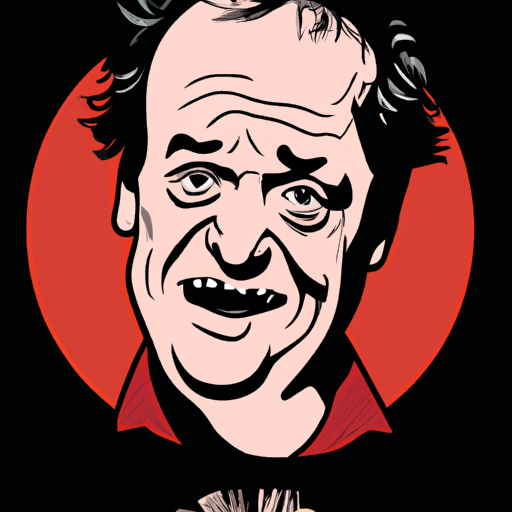
Caricature Illustrations are a style of illustration that exaggerate or distort the physical characteristics or traits of a person or subject to create a humorous or satirical effect. This style gained popularity in the late 18th century and became particularly famous during the 19th and early 20th centuries. Caricature Illustrations are known for their ability to capture the essence of a person or subject through humorous and exaggerated depictions.

View StyleExplore Style
Example of visual style of Franco Belgian Comic Artists

Franco Belgian Comic Artists

The Franco Belgian Comic Artists style emerged in the mid-20th century and gained popularity in the 1950s and 1960s. It is characterized by its unique combination of detailed and expressive artwork, strong storytelling, and a sense of humor. The style is famous for its iconic characters like Tintin, Asterix, and The Smurfs, which have become cultural phenomena. The Franco Belgian Comic Artists style was primarily influenced by the storytelling traditions of European comics and the art movements of the time, such as ligne claire (clear line) and surrealism.

View StyleExplore Style
Example of visual style of Harold Ramis

Harold Ramis

Harold Ramis is known for his visual style in comedy films during the 1980s and 1990s. His works, such as Ghostbusters (1984) and Groundhog Day (1993), are famous for their humorous and whimsical tone. Ramis incorporated a mix of slapstick, visual gags, and witty dialogue to create a unique comedic style. His films often featured eccentric characters, clever storytelling, and a balance between absurdity and heartwarming moments. This style became influential and widely recognized in the comedy genre.

View StyleExplore Style
Example of visual style of Helen Levitt

Helen Levitt

Helen Levitt was an American photographer best known for her candid street photography in New York City from the 1930s to the 1990s. Her work captured everyday moments of urban life, particularly focusing on children and their interaction with the city streets. Levitt's signature style was characterized by her use of black and white film, capturing spontaneous and often humorous scenes. Her ability to capture the essence of New York City street life made her famous and influential in the field of street photography.

View StyleExplore Style
Example of visual style of Jan Steen

Jan Steen

Jan Steen was a Dutch painter in the 17th century known for his lively and humorous scenes of daily life. His visual style is characterized by a combination of genre painting, vivid colors, and intricate details. Steen's work often depicted chaotic and festive gatherings, filled with boisterous characters engaged in humorous situations. His paintings were famous for their narrative storytelling and moral messages, portraying the vices and follies of human behavior. Jan Steen's style became popular during the Dutch Golden Age, particularly in the years 1660-1670, and his attention to detail and ability to capture human emotions made him a renowned artist of the time.

View StyleExplore Style
Example of visual style of Jim Davis

Jim Davis

Jim Davis is an American cartoonist known for his iconic visual style in creating the comic strip Garfield. The style originated in the late 1970s and gained popularity throughout the 1980s and beyond. Davis's style is characterized by bold, clean lines, exaggerated and expressive characters, and a humorous and relatable portrayal of everyday life. The distinctive art style, combined with the witty writing, made Garfield a household name and one of the most successful comic strips of all time.

View StyleExplore Style
Example of visual style of Jim Smith

Jim Smith

Jim Smith is known for his vibrant and bold visual style that emerged in the 1990s. His style combines a mix of retro, cartoonish elements with a contemporary twist. The unique use of vivid colors and exaggerated forms is a hallmark of his work. Jim Smith gained fame for his contributions to various animated television shows and films, including the iconic cartoon 'Ren & Stimpy'. His visually striking and humorous illustrations have made him a prominent figure in the animation industry.

View StyleExplore Style
Example of visual style of Matt Groening

Matt Groening

The Matt Groening visual style, famous for its distinctive and quirky animation, emerged in the late 1980s. It gained widespread recognition through the animated television show 'The Simpsons', which debuted in 1989. Groening's style is characterized by exaggerated, cartoony features, bold and vibrant colors, and a humorous and satirical tone. The animation style often includes simple and minimalistic designs combined with complex and detailed background elements, creating a unique visual juxtaposition. The Matt Groening style has become iconic and influential in the world of animation and has inspired countless artists and designers since its inception.

View StyleExplore Style

Example of visual style of National Lampoon

National Lampoon

The National Lampoon visual style emerged during the 1970s and became famous for its satirical and irreverent approach. It was known for its bold and humorous illustrations, often incorporating exaggerated characters and absurd situations. National Lampoon gained popularity for its magazine covers, which featured iconic art that reflected the counterculture of the time. This style remained influential throughout the 1980s and beyond, inspiring other satirical publications and comedy films.

View StyleExplore Style
Example of visual style of Randolph Caldecott

Randolph Caldecott

The Randolph Caldecott visual style emerged in the late 19th century and became famous for its lively and imaginative illustrations. Randolph Caldecott was a prominent British illustrator known for his humorous and detailed drawings. His style was characterized by bold lines, vibrant colors, and a sense of movement. Caldecott's illustrations often depicted scenes from children's stories and nursery rhymes, capturing the joy and excitement of childhood. His work gained widespread popularity and influenced later generations of illustrators.

View StyleExplore Style
Home