StylopediaStylopedia

Humor styles on Stylopedia

A visual encyclopedia of humor styles – use as prompt inspiration for Midjourney, Gemini, or ChatGPT AI when making humor images

Example of visual style of Anton Gudim

Anton Gudim

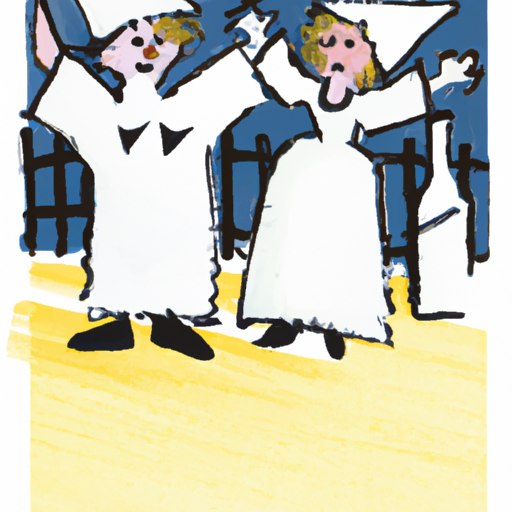
Anton Gudim is a contemporary visual artist known for his minimalist and whimsical style. His illustrations often feature simple, clean lines and a limited color palette, creating a distinctive and recognizable look. Gudim gained popularity in the late 2000s through his witty and satirical illustrations, which quickly went viral on social media platforms. His unique blend of humor, social commentary, and clever wordplay has made him one of the most influential artists of the digital age.

View StyleExplore Style
Example of visual style of Belgian Cartoonists

Belgian Cartoonists

Belgian Cartoonists emerged in the mid-20th century and became famous for their whimsical and witty style of cartooning. Their unique blend of humor, social commentary, and intricate artwork captivated audiences worldwide. The most iconic period for this style was the 1950s to the 1970s when artists like Hergé, the creator of Tintin, and André Franquin, known for creating Spirou and Gaston Lagaffe, gained significant recognition. These Belgian Cartoonists revolutionized the art of cartoon storytelling by introducing innovative storytelling techniques, intricate line work, and detailed backgrounds.

View StyleExplore Style
Example of visual style of Bugs Bunny

Bugs Bunny

The visual style of Bugs Bunny is characteristic of the golden age of American animation, particularly the Looney Tunes and Merrie Melodies series. It gained prominence during the 1940s and 1950s and is still popular today. Bugs Bunny is known for his mischievous, quick-witted, and sarcastic personality. The visual style of Bugs Bunny features vibrant and exaggerated animation, smooth and fluid movements, expressive facial features, and detailed backgrounds. The style is famous for its humor, wit, and satire, which made Bugs Bunny a beloved and iconic cartoon character worldwide.

View StyleExplore Style
Example of visual style of Charles Schulz

Charles Schulz

Charles Schulz is known for his iconic comic strip 'Peanuts', which ran from 1950 to 2000. His visual style is characterized by simple and minimalist linework, expressive and relatable characters, and a minimal color palette. Schulz's art style revolutionized the comic strip industry, showcasing the everyday struggles and humor in the lives of ordinary people, particularly children. His relatable characters like Charlie Brown, Snoopy, and Lucy captured the hearts of millions, depicting both the joy and angst of childhood with charm and wit. Schulz's work has become an enduring cultural phenomenon and continues to inspire artists and designers worldwide.

View StyleExplore Style
Example of visual style of Classic Sitcoms

Classic Sitcoms

Classic Sitcoms refer to television shows produced between the 1950s and 1980s that follow a formulaic structure consisting of a laugh track, filmed in front of a live studio audience, and featuring a recurring cast of characters. These shows typically revolve around relatable, middle-class families or groups of friends, and often explore lighthearted and comedic situations. Classic Sitcoms gained popularity for their humorous scripts, exaggerated performances, and wholesome and feel-good nature.

View StyleExplore Style
Example of visual style of Craig McCracken

Craig McCracken

Craig McCracken is an American animator and creator known for his distinct animated visual style. He rose to fame in the late 1990s and early 2000s with the creation of the television shows 'The Powerpuff Girls' and 'Foster's Home for Imaginary Friends'. McCracken's style is characterized by its vibrant color palette, bold and exaggerated shapes, and strong outlines. His characters often feature large, expressive eyes and unique and imaginative designs. McCracken's visual style is known for its combination of humor, action, and heartwarming storytelling.

View StyleExplore Style
Example of visual style of Dave Fleischer

Dave Fleischer

Dave Fleischer was an American animator and film director who is best known for his work in the 1930s and 1940s. His visual style, known as the 'Fleischer style,' was characterized by bold, exaggerated characters, vibrant and fluid animations, and a highly stylized approach to storytelling. Fleischer and his studio, Fleischer Studios, gained fame for their innovative use of Technicolor, which brought their animated films to life with vivid and dynamic colors. The Fleischer style became famous for its distinct blend of humor, whimsy, and captivating visuals that entertained audiences of all ages.

View StyleExplore Style
Example of visual style of Dr Slump

Dr Slump

Dr Slump is a manga and anime series created by Akira Toriyama. It was first serialized in Weekly Shonen Jump from 1980 to 1984 and later adapted into an animated TV series. The visual style of Dr Slump is characterized by its quirky and cartoonish art, with exaggerated expressions, comical character designs, and vibrant colors. It became famous for its humor, wacky characters, and imaginative storytelling, making it a beloved and influential series in the world of manga and anime.

View StyleExplore Style
Example of visual style of Editorial Illustration

Editorial Illustration

Editorial Illustration is a style of illustration that is commonly used in newspapers, magazines, and online publications to accompany written articles or stories. It became especially popular in the late 19th and early 20th centuries with the rise of print media. Editorial illustrations are known for their ability to convey complex ideas or concepts in a single image, often using symbolism, humor, or satire. They are typically created in a bold and graphic style, with strong outlines, limited color palettes, and simplified forms. Editorial illustrations aim to catch the viewer's attention and make a strong visual impact, while effectively communicating the message of the accompanying text.

View StyleExplore Style
Example of visual style of Fluxus Movement

Fluxus Movement

Fluxus Movement was a global, avant-garde art movement that emerged in the early 1960s. It was known for its experimental and interdisciplinary approach, challenging traditional notions of art. Fluxus artists sought to blur the boundaries between art and life, often creating works that were a combination of visual art, performance, music, and literature. The movement emphasized simplicity, humor, and audience participation. Some famous Fluxus artists include Nam June Paik, Yoko Ono, and George Maciunas.

View StyleExplore Style

Example of visual style of Franquin

Franquin

Franquin is a visual style that emerged during the 20th century, particularly in the field of comic art. It is named after its creator, André Franquin, a Belgian cartoonist who revolutionized the genre. Franquin's style gained fame in the 1950s and 1960s through his work on iconic comic series such as 'Spirou et Fantasio' and 'Gaston Lagaffe'. Known for its dynamic and expressive characters, elaborate backgrounds, and intricate details, Franquin's style became synonymous with humor, satire, and social critique.

View StyleExplore Style
Example of visual style of Futurama

Futurama

Futurama is an animated television series that premiered in 1999 and ran until 2003, with additional episodes produced between 2008 and 2013. The visual style of Futurama is characterized by its futuristic and imaginative setting, blending science fiction elements with humor and social satire. The show's animation features bold and vibrant colors, sleek futuristic designs, and a blend of 2D and 3D animation techniques. Futurama gained fame for its unique blend of witty writing, memorable characters, and its satirical take on various aspects of modern society.

View StyleExplore Style
Example of visual style of Gaston Lagaffe

Gaston Lagaffe

Gaston Lagaffe is a comic strip character created by Belgian cartoonist André Franquin in 1957. The visual style of Gaston Lagaffe is characterized by its lively and humorous illustrations and the use of colorful and exaggerated character designs. This style became famous for its light-hearted and slapstick humor, as well as its relatable depiction of an eccentric and absent-minded office worker. Through the years, Gaston Lagaffe has gained a cult following and is admired for its unique blend of comedy and social satire.

View StyleExplore Style

Example of visual style of Georges Remi

Georges Remi

Georges Remi, better known by his pen name Hergé, was a Belgian cartoonist. He is best known for creating the iconic comic book series 'The Adventures of Tintin'. Hergé's visual style, also known as 'ligne claire' (clear line), revolutionized the world of comics in the mid-20th century. His style was characterized by clean and precise lines, simplified forms, and a strong emphasis on clarity and detail. Hergé's work became famous for its unique blend of adventure, humor, and social commentary, influencing generations of comic artists.

View StyleExplore Style
Example of visual style of Ghostbusters

Ghostbusters

The visual style of Ghostbusters emerged in the 1980s and gained popularity through its unique blend of supernatural elements and comedy. This style became famous due to its iconic imagery and memorable characters, such as the Ghostbusters logo, the Ectomobile, and the proton packs. With its vibrant color palette, retro aesthetics, and a mix of horror and humor, Ghostbusters established a distinct visual identity that continues to be recognized and referenced today.

View StyleExplore Style

Example of visual style of Gilbert Shelton

Gilbert Shelton

Gilbert Shelton is an underground cartoonist known for his distinctive visual style, which emerged in the 1960s. His comic strips, such as 'The Fabulous Furry Freak Brothers' and 'Fat Freddy's Cat', became popular during the counterculture movement, particularly in the United States. Shelton's art is characterized by its psychedelic and humor-driven nature, featuring exaggerated characters with wild expressions and trippy backgrounds. His unique blend of satire, social commentary, and absurdity made his work iconic and influential during this time.

View StyleExplore Style
Example of visual style of Guerrilla Girls

Guerrilla Girls

The Guerrilla Girls is an anonymous group of feminist artists founded in 1985. They are known for their bold, satirical, and visually striking posters, billboards, and other public art interventions. With their use of humor and irony, they critique gender and racial inequality in the art world, often calling out galleries, museums, and artists for their lack of representation. The Guerrilla Girls have been extremely influential in raising awareness about these issues and inspiring a new wave of feminist activism in the art world.

View StyleExplore Style
Example of visual style of Harvey Kurtzman

Harvey Kurtzman

Harvey Kurtzman was an American cartoonist and editor, known for his unique and influential visual style. Active primarily during the 1940s to the 1960s, Kurtzman achieved fame for his work on the satirical comic book Mad and his publication of the influential humor magazine Help!. His visual style was characterized by detailed and expressive line work, exaggerated character expressions, and a strong emphasis on visual storytelling. Kurtzman's ability to seamlessly blend humor with social commentary and his innovative approach to sequential art made him one of the most important figures in the history of American comic art.

View StyleExplore Style
Example of visual style of Herge

Herge

The Herge style is a distinctive visual style developed by Belgian cartoonist Georges Remi, also known as Herge. This style is best known for its clean lines, precise details, and vibrant colors. It gained fame in the 20th century, particularly during the mid-1900s, with the creation of the popular comic book series 'The Adventures of Tintin'. The attention to detail, realistic portrayal of characters and settings, as well as the combination of humor, adventure, and mystery, contributed to the immense success of Herge's work.

View StyleExplore Style
Example of visual style of Honore Daumier

Honore Daumier

Honore Daumier was a French artist and caricaturist who is known for his satirical and critical portrayal of 19th-century French society and politics. His style emerged in the mid-19th century and gained recognition for its powerful social commentary and use of exaggerated features to depict public figures and ordinary people. Daumier's works became famous for their sharp wit, humor, and keen observation of human behavior. His visual style was characterized by bold and expressive brushwork, dynamic compositions, and a focus on capturing the essence and character of his subjects.

View StyleExplore Style
Example of visual style of Jim Henson

Jim Henson

Jim Henson is known for his distinctive puppetry and visual effects in film and television. He gained fame for creating the Muppets, which first appeared in the early 1950s. Henson's innovative use of puppetry and animatronics revolutionized the entertainment industry, making his characters come to life with a unique blend of humor and emotion. His style reached its peak during the 1970s and 1980s, with iconic works such as 'The Muppet Show' (1976-1981) and 'The Dark Crystal' (1982). Henson's artistry and imagination made the Muppets and his other creations beloved by audiences of all ages.

View StyleExplore Style

Example of visual style of Lauren Faust

Lauren Faust

Lauren Faust is a visual style known for its vibrant and expressive character designs, coupled with a strong sense of storytelling and humor. Faust rose to prominence in the late 2000s for her work on animated shows like 'The Powerpuff Girls' and 'Foster's Home for Imaginary Friends'. In 2010, she became widely recognized for her creation of 'My Little Pony: Friendship is Magic', which reimagined the franchise with dynamic and relatable characters. Her style remains influential for its emphasis on inclusivity and positive storytelling.

View StyleExplore Style

Example of visual style of Lee Friedlander

Lee Friedlander

Lee Friedlander is known for his unique style of street photography, capturing everyday scenes and objects in a way that reveals the artistic potential of the mundane. He rose to prominence in the 1960s and 1970s, during the heyday of American documentary photography. Friedlander's ability to find beauty in the ordinary, his use of complex compositions and reflections, and his keen sense of humor have made him one of the most influential photographers of his generation.

View StyleExplore Style
Home