StylopediaStylopedia

Horror styles on Stylopedia

A visual encyclopedia of horror styles – use as prompt inspiration for Midjourney, Gemini, or ChatGPT AI when making horror images

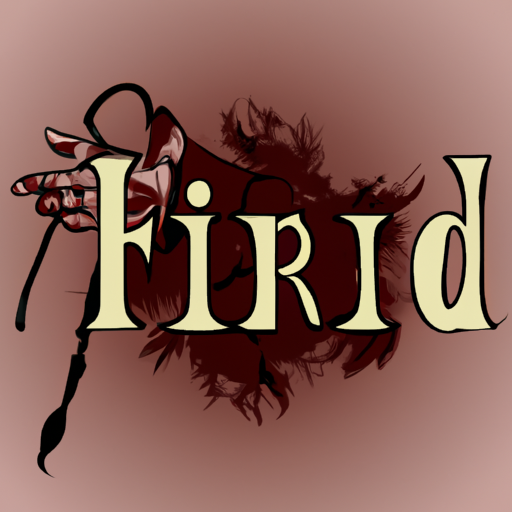
Example of visual style of Clive Barker

Clive Barker

The Clive Barker style can be described as dark, macabre, and fantastical. It emerged in the 1980s and gained fame through Barker's works as a writer, filmmaker, and visual artist. Known for his horror fiction, Barker created a unique and visually striking aesthetic that blends elements of fantasy, surrealism, and grotesque imagery. His vivid imagination and storytelling abilities made him a prominent figure in the horror genre. Barker's style often explores themes of sexuality, body horror, and the blurred lines between the real and the supernatural.

View StyleExplore Style
Example of visual style of Dark Fantasy

Dark Fantasy

Dark Fantasy is a visual style characterized by its eerie and mysterious atmosphere, combining elements of fantasy and horror. It emerged in the late 18th century with the Gothic literature movement, gaining popularity in the 19th and early 20th centuries. Dark Fantasy is often associated with macabre and supernatural themes, featuring haunted landscapes, grotesque creatures, and dramatic lighting. Its fame grew through the works of authors like Edgar Allan Poe and artists like Hieronymus Bosch.

View StyleExplore Style
Example of visual style of George Romero

George Romero

George Romero, a prominent filmmaker in the horror genre, was known for his distinctive visual style, especially in his later films. His style emerged in the late 1960s and continued throughout the 1970s and 1980s, making him one of the most influential directors in the genre. Romero's visual style was characterized by his innovative use of lighting, shadows, and framing techniques to create a sense of dread and horror. He often employed low-budget techniques, such as handheld cameras and practical effects, to create a visceral and gritty aesthetic. Romero's films were famous for their social commentaries on consumerism, racism, and other contemporary issues.

View StyleExplore Style
Example of visual style of Ghostbusters

Ghostbusters

The visual style of Ghostbusters emerged in the 1980s and gained popularity through its unique blend of supernatural elements and comedy. This style became famous due to its iconic imagery and memorable characters, such as the Ghostbusters logo, the Ectomobile, and the proton packs. With its vibrant color palette, retro aesthetics, and a mix of horror and humor, Ghostbusters established a distinct visual identity that continues to be recognized and referenced today.

View StyleExplore Style
Example of visual style of Giallo Films

Giallo Films

Giallo Films is an Italian genre of thriller and horror movies that emerged in the late 1960s and gained popularity in the 1970s. It is characterized by its intense use of stylized visuals, bright and vivid colors, intricate and convoluted plots, psychological and supernatural elements, as well as shocking scenes of violence and eroticism. Giallo Films often feature a masked killer and explore themes of mystery, murder, and detective investigation. The genre is known for its distinctive blend of suspenseful storytelling, atmospheric cinematography, and haunting musical scores. Giallo Films were highly influential in shaping the modern slasher and psychological horror genres.

View StyleExplore Style
Example of visual style of Gothic Horror

Gothic Horror

Gothic Horror is a visual style that emerged in the late 18th and early 19th centuries. It became famous through literature and later extended to other art forms. This style is characterized by its macabre and gloomy atmosphere, combining elements of horror, suspense, and the supernatural. Gothic Horror often features eerie castles, dark forests, graveyards, and haunted mansions as settings. It explores themes of death, decay, madness, and the unknown, making use of dramatic lighting, exaggerated shadows, and grotesque or supernatural creatures. Prominent examples include Mary Shelley's 'Frankenstein' published in 1818 and Bram Stoker's 'Dracula' published in 1897.

View StyleExplore Style
Example of visual style of Gothic Literature

Gothic Literature

Gothic Literature is a style of writing that emerged in the late 18th century and gained popularity in the 19th century. It is characterized by a dark, mysterious, and supernatural atmosphere, often set in medieval or gloomy settings. Gothic Literature explores themes of horror, death, madness, and the supernatural. Some famous Gothic literature works include Mary Shelley's 'Frankenstein' (1818) and Bram Stoker's 'Dracula' (1897). This style became famous for its ability to evoke strong emotions and tap into the readers' deepest fears and desires.

View StyleExplore Style
Example of visual style of Hellboy

Hellboy

Hellboy is a visual style that emerged in the comic book series of the same name, created by Mike Mignola in 1993. It is characterized by its dark and gritty aesthetic, blending elements of supernatural horror, pulp fiction, and occult folklore. The visuals often feature heavy use of shadows, contrast, and bold linework to create a sense of atmospheric and moody settings. Hellboy became famous for its unique blend of horror, fantasy, and adventure genres, along with its distinct art style that has influenced numerous artists and illustrators in the comic book industry.

View StyleExplore Style
Example of visual style of Horror Art

Horror Art

Horror Art is a visual style that emerged in the late 18th century and gained popularity in the 19th and 20th centuries. It is characterized by its dark and macabre themes, often depicting supernatural elements, monsters, and eerie atmospheres. The style became famous through the works of renowned artists like Francisco Goya, Hieronymus Bosch, and H.R. Giger, who explored the darker aspects of human nature and the unknown. Horror Art delves into our deepest fears, presenting them in a visually unsettling and evocative manner.

View StyleExplore Style
Example of visual style of Horror Filmmakers

Horror Filmmakers

Horror Filmmakers is a visual style that emerged in the early 20th century and continues to be popular to this day. It is characterized by its ability to create a feeling of fear, darkness, suspense, and terror. Famous horror filmmakers, such as Alfred Hitchcock, Wes Craven, and John Carpenter, contributed to the popularity of this style by creating iconic horror films like Psycho, A Nightmare on Elm Street, and Halloween. The use of eerie lighting, shadows, eerie music, jump scares, and gruesome special effects are some of the key elements that make this style famous.

View StyleExplore Style
Example of visual style of Mario Bava

Mario Bava

Mario Bava is an Italian filmmaker known for his distinct visual style in horror and thriller genres. Active mainly in the 1960s and 1970s, his movies were characterized by their atmospheric and vibrant colors, inventive lighting techniques, and stylish camera work. Bava's pioneering use of colored gels and filters created a surreal and dreamlike quality in his films, earning him the title 'Master of Italian Horror'. His notable works include 'Black Sunday' (1960), 'Blood and Black Lace' (1964), and 'A Bay of Blood' (1971).

View StyleExplore Style
Example of visual style of Midsommar

Midsommar

Midsommar is a visually captivating style known for its bright and surreal aesthetics. Created by director Ari Aster, it gained popularity with the release of the film 'Midsommar' in 2019. Inspired by Swedish folk traditions and pagan rituals, the style combines elements of horror and beauty to create a uniquely unsettling experience. The film's use of vibrant colors, natural landscapes, and intricate costume designs contribute to its atmospheric and dreamlike visuals.

View StyleExplore Style
Example of visual style of Monster Film

Monster Film

Monster Film is a visual style that emerged in the early 20th century and gained popularity in the 1930s and 1940s. It is known for its portrayal of monstrous creatures, supernatural beings, and terrifying creatures that evoke fear and horror in the audience. This style became famous through iconic monster films such as Universal Studios' 'Frankenstein' (1931) and 'Dracula' (1931), as well as Toho's 'Godzilla' (1954). The use of elaborate creature designs, atmospheric lighting, and suspenseful cinematography contributed to the success and recognition of this style.

View StyleExplore Style
Example of visual style of Neil Gaiman

Neil Gaiman

The Neil Gaiman visual style is characterized by a dark and whimsical aesthetic with a touch of gothic elements. It gained popularity in the late 20th and early 21st century through Neil Gaiman's works in the fantasy and horror genres, notably his critically acclaimed graphic novel series 'The Sandman' which started in 1989. Gaiman's unique storytelling and imaginative world-building has made this style famous for its fusion of fantasy, mythology, and contemporary themes.

View StyleExplore Style
Example of visual style of Neil Marshall

Neil Marshall

The visual style of Neil Marshall is known for its gritty and intense atmosphere, often characterized by dark and desaturated colors, realistic and gritty production design, and claustrophobic and visceral action sequences. Marshall gained popularity in the early 2000s for his work in the horror and thriller genres, with films like 'Dog Soldiers' (2002) and 'The Descent' (2005). His use of practical effects and minimal CGI in creating suspense and tension became a trademark of his style.

View StyleExplore Style
Example of visual style of Robert Kirkman

Robert Kirkman

Robert Kirkman is not a visual style, but rather a renowned comic book writer and creator. He is best known for his work in the horror genre, particularly for his long-running series 'The Walking Dead'. Kirkman's style is characterized by its gritty and realistic storytelling, focusing on human drama in apocalyptic and supernatural settings. His ability to craft compelling narratives and create complex, relatable characters has made him a prominent figure in the comic book industry.

View StyleExplore Style
Home