StylopediaStylopedia

History styles on Stylopedia

A visual encyclopedia of history styles – use as prompt inspiration for Midjourney, Gemini, or ChatGPT AI when making history images

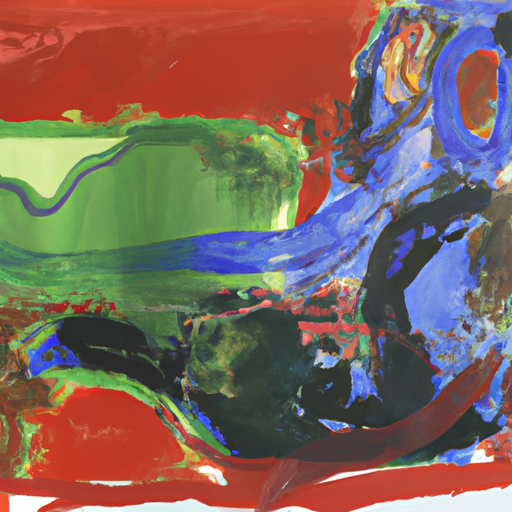
Example of visual style of Anselm Kiefer

Anselm Kiefer

Anselm Kiefer is a German painter known for his expressive and monumental works. His style emerged in the late 1960s and is characterized by a combination of painting, sculpture, and assemblage techniques. Kiefer's artworks often explore themes of memory, history, and the collective German identity. He gained fame in the 1980s for his controversial series 'Heroic Symbols' which reinterpreted Nazi symbols to challenge Germany's past. Kiefer's works are renowned for their large-scale and textured surfaces, often featuring a mix of materials such as straw, clay, ashes, and lead.

View StyleExplore Style
Example of visual style of Barbara Chase Riboud

Barbara Chase Riboud

Barbara Chase Riboud is a visual style that emerged in the late 1960s and gained prominence in the 1970s. It is characterized by bold and dramatic sculptures and mixed-media artworks. Riboud's style became famous for integrating African and African American cultural motifs with geometric forms and organic materials, exploring themes of history, race, and feminism. Her use of materials like bronze, textiles, and wood, along with her attention to intricate details, creates a sense of tactile and visual richness.

View StyleExplore Style

Example of visual style of Georg Baselitz

Georg Baselitz

Georg Baselitz is a German painter and sculptor known for his expressive and figurative style. His visual style emerged in the late 1960s and became famous for his upside-down approach to painting, where he would depict figures and landscapes inverted. This unique technique challenged traditional conventions and created a sense of disorientation and introspection in the viewer. Baselitz's work often explores themes of identity, history, and memory, with a focus on the post-World War II era. His bold and emotive brushwork, along with his provocative subject matter, have made him one of the leading figures in contemporary German art.

View StyleExplore Style
Example of visual style of Hugo Pratt

Hugo Pratt

Hugo Pratt was an Italian comic book artist known for his distinctive visual style that combined detailed and realistic drawings with a sense of adventure and exoticism. His career spanned from the 1960s to the early 1990s, and he is most famous for creating the internationally acclaimed series 'Corto Maltese'. Pratt's style was characterized by his exceptional ability to capture the essence of different cultures, landscapes, and historical periods with a high level of accuracy. His use of hatching, cross-hatching, and shading techniques created a rich and textured look. This visual style became famous for its captivating storytelling and the skillful blending of history, politics, and fantasy.

View StyleExplore Style
Example of visual style of Malcolm Morley

Malcolm Morley

Malcolm Morley is an artist known for his photorealist and abstract expressionist style. He gained fame in the 1960s and 1970s for his large-scale paintings that combined realistic and abstract elements. Morley's work often depicted scenes from history, landscapes, and still lifes. He became famous for his ability to create hyperrealistic images using photographs as references. Morley's unique approach and technical skill made him a prominent figure in the contemporary art world.

View StyleExplore Style
Example of visual style of Pre Raphaelite Brotherhood

Pre Raphaelite Brotherhood

The Pre Raphaelite Brotherhood was a mid-19th century artistic movement in England. It was famous for its meticulous attention to detail, vibrant colors, and a return to the religious and literary themes of the early Renaissance. The members of the Brotherhood sought to reject the industrialization and mass production of the Victorian era, and instead focused on producing art in a more sincere and genuine manner. They aimed to capture beauty in its purest form, often depicting scenes from mythology, literature, and history. The movement gained significant recognition and influence in the art world during its peak years from 1848 to 1853.

View StyleExplore Style
Example of visual style of Zhang Yimou

Zhang Yimou

Zhang Yimou is a Chinese film director known for his visually striking and vibrant style. He gained international recognition in the 1980s with the release of films like 'Red Sorghum' (1988) and 'Raise the Red Lantern' (1991). His use of bold and saturated colors, intricate set designs, and meticulous attention to detail became a signature of his visual style. Zhang Yimou's films often explore themes of Chinese culture, history, and personal relationships against a backdrop of stunning visuals.

View StyleExplore Style
Home