
Aaron Douglas
Aaron Douglas was an African American artist known for his distinctive blend of modernist aesthetics with themes of African American culture and history during the Harlem Renaissance in the 1920s and 1930s.
View StyleExplore Style Stylopedia
A visual encyclopedia of historical themes styles – use as prompt inspiration for Midjourney, Gemini, or ChatGPT AI when making historical themes images
Aaron Douglas was an African American artist known for his distinctive blend of modernist aesthetics with themes of African American culture and history during the Harlem Renaissance in the 1920s and 1930s.
View StyleExplore Style
Anselm Kiefer Exhibition is characterized by a unique and powerful visual style that combines elements of painting, sculpture, and installation art. It emerged in the late 20th century and became famous for its exploration of complex historical, mythological, and philosophical themes. Anselm Kiefer's works often evoke a sense of melancholy and contemplation, with large-scale and heavily textured pieces that incorporate a wide range of materials, such as lead, ash, straw, and glass. The exhibition showcases Kiefer's masterful use of symbolism, juxtaposition, and layering to convey deep emotional and intellectual messages.
View StyleExplore Style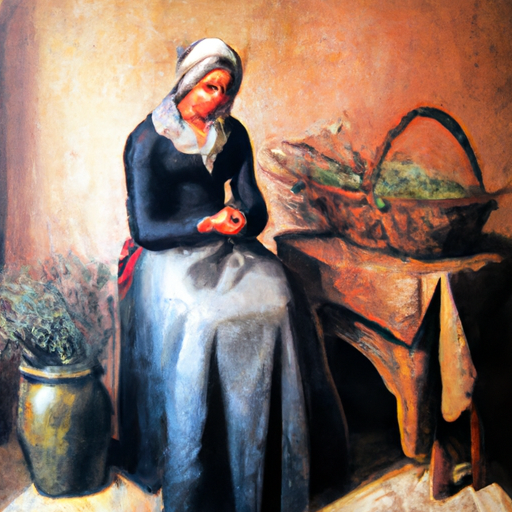
Dutch Golden Age Painting flourished during the 17th century in the Dutch Republic, particularly in cities such as Amsterdam, Haarlem, and Delft. This period is renowned for its realism, detailed observation of everyday life, and mastery of light and shadows. Dutch Golden Age painters were often associated with guilds and produced a wide range of subjects, including portraits, landscapes, still lifes, genre scenes, and historical and biblical themes. The style became famous for its meticulous attention to detail, atmospheric perspective, and use of vibrant colors.
View StyleExplore Style
Epic Film is characterized by grand scale, lavish visuals, and sweeping narratives focused on historical or mythological themes. Emerging in the early 20th century, it gained popularity through iconic films like Ben-Hur and Lawrence of Arabia.
View StyleExplore Style
Neoclassical Art emerged in the late 18th century and lasted until the early 19th century. It was a reaction against the Rococo style and a revival of the classical principles of ancient Greek and Roman art. Neoclassical artists aimed to create works that embodied ideals of order, reason, and moral virtue. This style became famous for its emphasis on symmetry, clarity, and simplicity, often depicting heroic figures and historical themes.
View StyleExplore StyleThe Thomas Hardy visual style is characterized by a focus on rural landscapes, rustic settings, and historical themes. Popular during the 19th century, this style became famous for its detailed portrayals of country life and its nostalgic view of the past.
View StyleExplore Style
Uemura Shoen was a prominent Japanese painter known for her elegant and poetic style. Active during the late 19th and early 20th centuries, Shoen's art gained fame for its unique representation of traditional Japanese beauty, particularly of women. Her style was characterized by graceful brushwork, delicate colors, and attention to intricate details. Shoen's paintings often depicted historical and mythological themes, capturing the essence of Japan's cultural heritage. She became famous for her series of bijinga, or paintings of beautiful women, which showcased a fusion of traditional and modern elements. These captivating artworks made Shoen one of the most notable female artists in Japanese history.
View StyleExplore Style
Victorian Era Art refers to the artistic styles and trends prevalent during the reign of Queen Victoria in the 19th century. Characterized by romanticism, elaborate ornamentation, and sentimentalism, this period saw a resurgence of interest in historical and medieval themes.
View StyleExplore Style