
StylopediaStylopedia

Historical references styles on Stylopedia

A visual encyclopedia of historical references styles – use as prompt inspiration for Midjourney, Gemini, or ChatGPT AI when making historical references images

Example of visual style of Augustus Pugin

Augustus Pugin

Augustus Pugin was a prominent British architect and designer in the 19th century. He is best known for his role in the Gothic Revival and his influence on Victorian architecture. Pugin's style emerged in the 1830s and was characterized by the use of medieval architectural elements, intricate ornamentation, and a strong emphasis on craftsmanship and historical references. His designs played a significant role in shaping the visual aesthetic of the Victorian era, particularly in relation to ecclesiastical and government buildings.

View StyleExplore Style
Example of visual style of John Galliano

John Galliano

John Galliano is a fashion designer known for his avant-garde and theatrical visual style. He rose to prominence in the 1980s and became famous for his extravagant and imaginative designs. Galliano's visual style combines historical references, bold colors, and intricate details, creating a unique and iconic aesthetic. He is famous for his work at Givenchy and later at Christian Dior, where he revitalized the fashion house with his innovative designs. Galliano's style is characterized by a fusion of different cultures, mixing elements from various time periods and creating visually stunning and dramatic collections.

View StyleExplore Style
Example of visual style of Postmodern Architecture

Postmodern Architecture

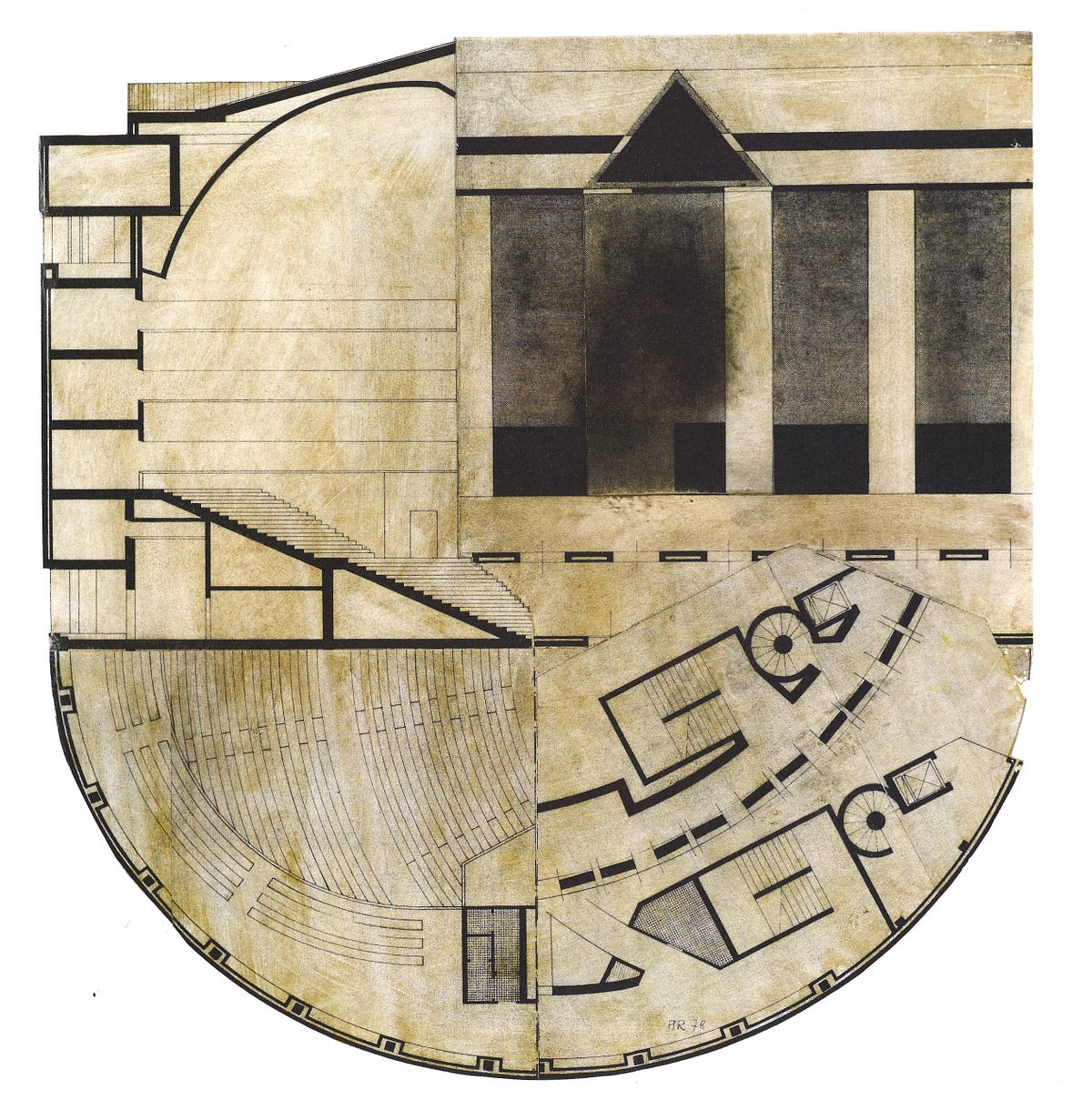
Postmodern Architecture is an architectural style that emerged in the late 20th century, primarily from the 1960s to the 1990s. It gained prominence as a reaction against the rigid modernist principles of simplicity and functionalism. Postmodern architects embraced complexity, diversity, and a playful approach to design. They incorporated historical references, eclectic elements, and cultural symbolism into their buildings, challenging the idea of a single unified style. Famous examples of postmodern architecture include the Piazza d'Italia in New Orleans and the AT&T Building in New York City, which popularized the use of ornamentation and contextualism.

View StyleExplore Style
Example of visual style of Postmodernism

Postmodernism

Postmodernism is a visual style that emerged in the late 20th century, particularly in the 1970s to the 1990s. It gained prominence as a reaction against modernism's strict rules and emphasis on functionality. Postmodernism is known for its eclectic, playful, and often ironic approach to design. It incorporates a mix of historical and cultural references, blurring the boundaries between high and low art, and often challenges traditional notions of form and function. This style became famous for its infusion of bold colors, exaggerated shapes, and the incorporation of elements from various periods and cultures.

View StyleExplore Style
Example of visual style of Tiffany Chung

Tiffany Chung

Tiffany Chung is a contemporary visual artist known for her intricate and thought-provoking mixed media installations. Her work explores themes of conflict, migration, and urbanization, particularly focusing on the impact of war and globalization on cities and communities. Chung's style combines cartographic imagery, architectural elements, and historical references to create visually stunning and intellectually engaging artworks. She rose to prominence in the early 2010s for her impactful series 'War Remnants' and 'The Vietnam Exodus' which examined the Vietnam War and its aftermath. Chung's attention to detail and meticulous craftsmanship have made her work highly regarded in the art world.

View StyleExplore Style
Home