StylopediaStylopedia

Historical accuracy styles on Stylopedia

A visual encyclopedia of historical accuracy styles – use as prompt inspiration for Midjourney, Gemini, or ChatGPT AI when making historical accuracy images

Example of visual style of Barry Lyndon

Barry Lyndon

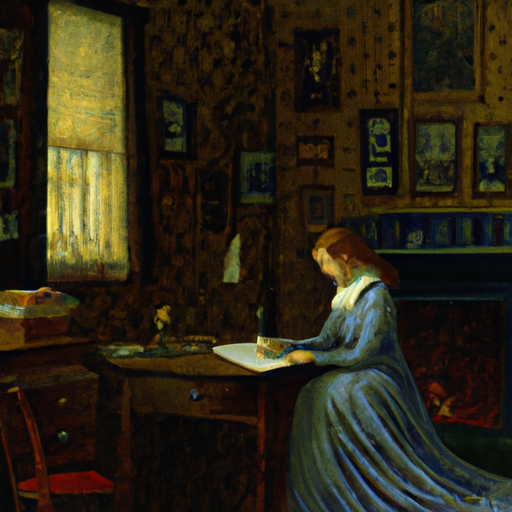
Barry Lyndon is a visual style showcased in the 1975 film directed by Stanley Kubrick. The style is characterized by its meticulously composed and lit scenes, reminiscent of 18th-century paintings. Kubrick used natural lighting and candles to create a painterly aesthetic, emulating the works of artists like Thomas Gainsborough and Jean-Baptiste-Siméon Chardin. The film's attention to detail and historical accuracy, along with its narrative of a young Irish rogue's rise and fall, contributed to its fame.

View StyleExplore Style
Example of visual style of Catherine Zuber

Catherine Zuber

Catherine Zuber is a renowned costume designer best known for her work in the field of theater and film. Her distinctive style emerged in the late 20th century and continues to influence contemporary costume design. Zuber's designs are characterized by their meticulous attention to detail, innovative use of fabrics, and ability to capture the essence of characters through clothing. Her costumes often evoke a sense of historical accuracy while simultaneously incorporating modern elements. Zuber's work has received critical acclaim and numerous awards, including multiple Tony Awards and an Academy Award for Best Costume Design.

View StyleExplore Style
Example of visual style of Colleen Atwood

Colleen Atwood

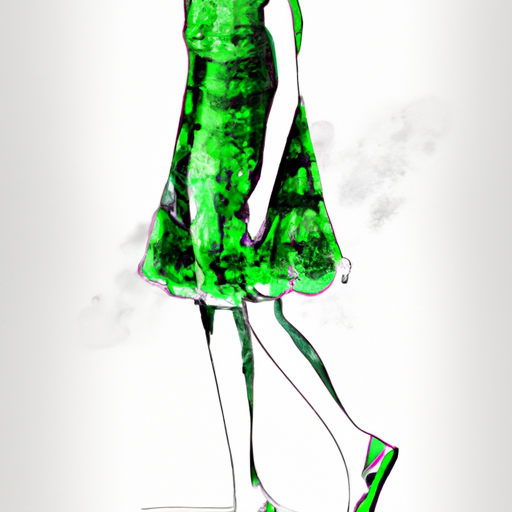
Colleen Atwood is known for her visually stunning and intricately detailed costume designs in film. With a career spanning several decades, she rose to prominence in the 1990s and 2000s as a powerhouse in the industry. Atwood's style showcases a masterful blend of historical accuracy, fantasy, and contemporary elements, creating costumes that not only enhance character development but also become iconic in their own right. Her attention to detail, creative use of color and texture, and ability to capture the essence of different time periods and fictional worlds have made her a highly sought-after costume designer.

View StyleExplore Style
Example of visual style of Costume Designers

Costume Designers

Costume Designers is a visual style that focuses on creating and designing costumes for films, theater, and other visual media. It became prominent in the early 20th century as the art of costume design evolved in cinema and theater. Costume designers play a crucial role in bringing characters to life by crafting garments that reflect their personalities, historical periods, and narrative themes. This style is famous for its attention to detail, historical accuracy, and the ability to blend creative expression with storytelling.

View StyleExplore Style
Example of visual style of Eugene Viollet Le Duc

Eugene Viollet Le Duc

Eugene Viollet Le Duc was a 19th-century French architect and theorist known for his restorations of medieval architecture. His work became famous for its careful and meticulous restoration of historical buildings, such as the Notre-Dame Cathedral in Paris and the fortified city of Carcassonne. Le Duc's style emphasized a faithful and creative interpretation of the original architectural elements, combining historical accuracy with his own artistic vision.

View StyleExplore Style
Example of visual style of Firaxis Games

Firaxis Games

Firaxis Games is known for its distinctive visual style that combines realistic graphics with stylized elements. Founded in 1996 by Sid Meier and Jeff Briggs, Firaxis Games rose to fame with their critically acclaimed strategy games such as the Civilization series. Their visual style became famous for its attention to detail, immersive environments, and strategic depth. The combination of intricate cityscapes, historical accuracy, and engaging gameplay made Firaxis Games a household name in the gaming industry.

View StyleExplore Style
Example of visual style of Howard Pyle

Howard Pyle

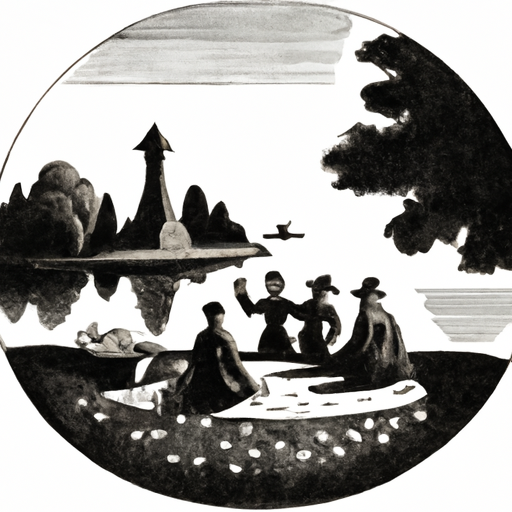
Howard Pyle was an American illustrator and author who was influential in the late 19th and early 20th centuries. His visual style is characterized by rich, detailed illustrations, often depicting historical scenes and characters. Pyle's illustrations were famous for their dramatic compositions, strong use of light and shadow, and meticulous attention to costume and historical accuracy. He is best known for his illustrations in books such as 'The Merry Adventures of Robin Hood' and 'King Arthur and His Knights'. Pyle's style helped popularize the concept of the American illustrator as a fine artist.

View StyleExplore Style

Example of visual style of Jane Greenwood

Jane Greenwood

Jane Greenwood is a visual style that is characterized by elegant and refined designs. It emerged during the mid-20th century and gained popularity for its attention to detail and timeless aesthetics. Known for her meticulous research and attention to historical accuracy, Jane Greenwood became famous for her costume designs in theater and film. Her work often reflects the spirit of the respective time period or cultural context, while still maintaining a sense of modernity and sophistication.

View StyleExplore Style
Example of visual style of Sandy Powell

Sandy Powell

The Sandy Powell visual style is characterized by its bold and imaginative costume designs that push the boundaries of fashion and storytelling. Sandy Powell rose to fame in the late 20th century and continues to be a prominent costume designer in the film industry. Known for her extensive collaboration with renowned directors such as Martin Scorsese and Todd Haynes, Powell's work has received widespread acclaim for its attention to detail, historical accuracy, and ability to enhance character development through costume. Her ability to create fantastical and immersive worlds through her designs has made her a legendary figure in the field.

View StyleExplore Style
Home