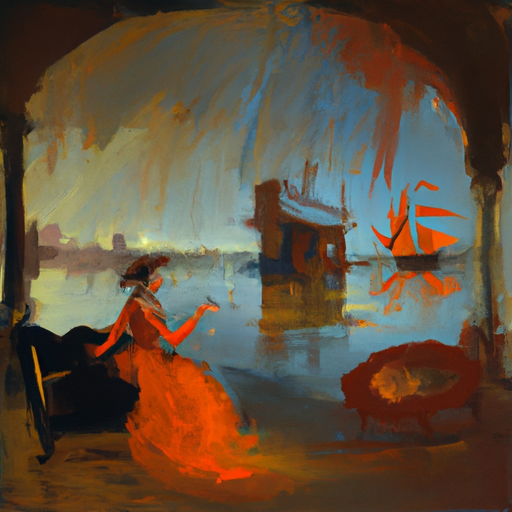
StylopediaStylopedia

Historical styles on Stylopedia

A visual encyclopedia of historical styles – use as prompt inspiration for Midjourney, Gemini, or ChatGPT AI when making historical images

Example of visual style of Dean Cornwell

Dean Cornwell

Dean Cornwell was an American illustrator known for his dynamic and highly detailed images. Active during the early to mid-20th century, Cornwell's work became famous for its rich color palette and meticulous attention to detail. His illustrations often depicted scenes of historical events, classical mythology, and popular fiction. Cornwell's style gained recognition for its ability to capture the energy and grandeur of the subjects he portrayed, making his works stand out in the world of American illustration.

View StyleExplore Style
Example of visual style of Ford Madox Brown

Ford Madox Brown

Ford Madox Brown is an English painter associated with the Pre-Raphaelite Brotherhood. His visual style can be described as highly detailed and realistic, often depicting historical and literary subjects with a focus on social commentary. Brown's style emerged in the mid-19th century and gained popularity for its vivid colors, intricate compositions, and attention to detail. He is known for his famous painting 'Work' (1852-1865), which portrays various social classes engaged in different forms of labor.

View StyleExplore Style
Example of visual style of Historical Contemporary Fusion

Historical Contemporary Fusion

Historical Contemporary Fusion is a visually striking style that seamlessly blends elements of historical and contemporary design. It gained popularity in the late 20th century and continues to influence design today. The style combines classic design elements from various historical periods, such as Baroque, Rococo, Art Deco, and Mid-century Modern, with contemporary aesthetics and materials. This fusion creates a unique visual language that attracts attention and sparks intrigue.

View StyleExplore Style
Example of visual style of Houses Of Parliament

Houses Of Parliament

Houses Of Parliament is a historical visual style that emerged in the 19th century. It became famous through the iconic paintings of the same name by Claude Monet. These paintings, created between 1899 and 1904, depict the Houses of Parliament in London with their grand Gothic architecture. Monet's use of loose brushwork and vibrant colors helps to capture the atmosphere and changing light conditions of the scenes. The series is renowned for its unique impressionistic style, presenting a new way of capturing urban landscapes.

View StyleExplore Style
Example of visual style of Jacques Louis David

Jacques Louis David

Jacques Louis David was a prominent neoclassical painter in the late 18th to early 19th century. He is known for his highly precise and detailed compositions, often depicting historical and mythological subjects. David's works were characterized by their sharp lines, clear forms, and intense use of light and shadow. His paintings were highly structured and idealized, often showcasing heroic figures and scenes of political significance. Some of his famous works include 'The Death of Socrates' (1787) and 'Napoleon Crossing the Alps' (1801). David's style became famous for its grandeur, dramatic storytelling, and allegiance to classical ideals.

View StyleExplore Style
Example of visual style of Jean Leon Gerome

Jean Leon Gerome

The visual style of Jean Leon Gerome, a French painter and sculptor active in the 19th century, is characterized by highly detailed and academic realism. Known for his historical and orientalist subjects, his works gained popularity in the mid-1800s due to their technical precision and exotic themes. Gerome's paintings often depict scenes from ancient civilizations and the Middle East, capturing intricate architectural details and luxurious settings. His meticulous attention to lighting and textures, along with a focus on narrative storytelling, helped establish his reputation as a renowned artist.

View StyleExplore Style
Example of visual style of John William Waterhouse

John William Waterhouse

John William Waterhouse was an English painter known for his depictions of classical mythology, historical events, and literary themes. His style, popular in the late 19th and early 20th centuries, is characterized by its romantic and idealized interpretations of subjects. Waterhouse's use of vibrant colors, meticulous attention to detail, and ethereal compositions made his paintings famous. His work often showcased graceful figures, flowing drapery, and lush landscapes.

View StyleExplore Style
Example of visual style of Luchino Visconti

Luchino Visconti

Luchino Visconti's visual style is characterized by its rich and grandiose aesthetic. From the 1940s to the 1970s, Visconti gained fame for his opulent and detailed production designs, elegant costuming, and meticulous attention to period accuracy. His style often showcased a sense of decadence and grandeur, making use of lavish sets and costumes to transport audiences to different historical eras. Visconti's visual style became particularly famous for its exquisite recreations of aristocratic settings, bringing the past to life on screen with remarkable detail and authenticity.

View StyleExplore Style
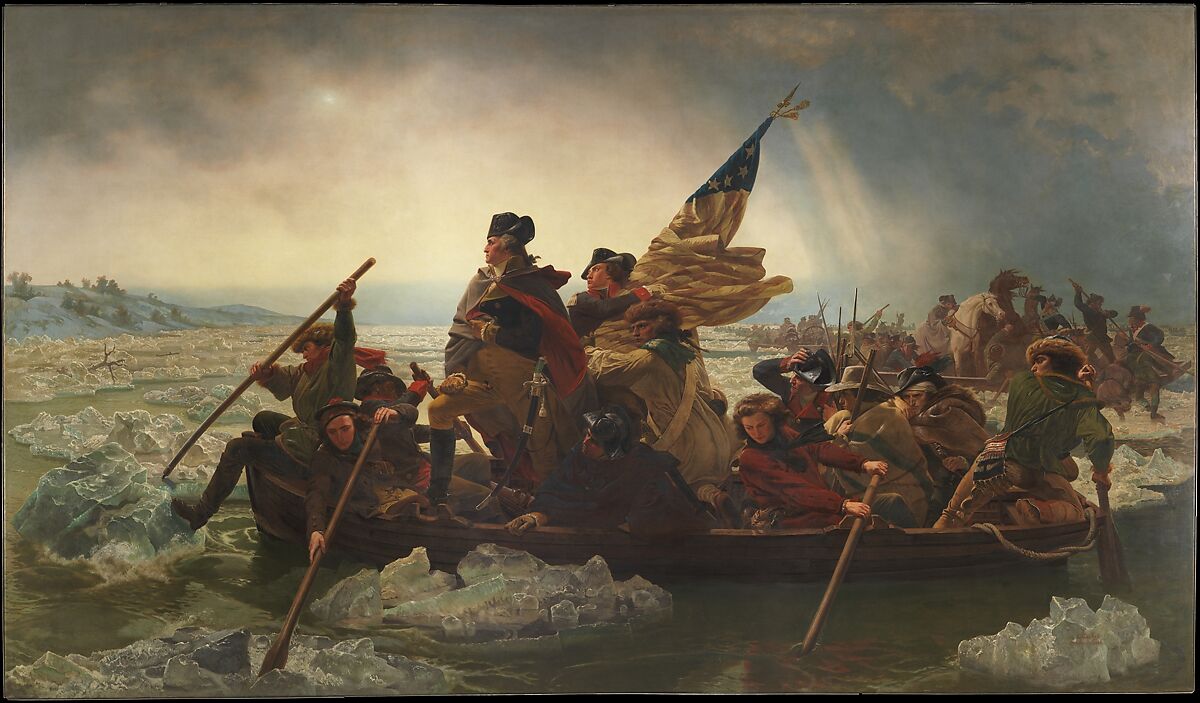
Example of visual style of Nc Wyeth

Nc Wyeth

Nc Wyeth was an American painter and illustrator during the late 19th and early 20th centuries. His visual style is characterized by highly detailed and vibrant oil paintings with a focus on narrative storytelling. Wyeth became famous for his illustrations of adventure and historical books, particularly for his work on Treasure Island, Robin Hood, and The Last of the Mohicans. His use of dramatic lighting and bold composition techniques brought his subjects to life and established him as one of the most prominent illustrators of his time.

View StyleExplore Style
Example of visual style of Sutton Hoo Treasure

Sutton Hoo Treasure

The Sutton Hoo Treasure refers to a collection of Anglo-Saxon artifacts discovered in 1939 in Sutton Hoo, Suffolk, England. Dating back to the 6th-7th century, this archaeological find gained fame due to its exceptional craftsmanship and historical significance. The treasure, hidden within a ship burial mound, included intricate golden jewelry, silverware, and various ceremonial objects, providing insights into the culture and royalty of early Anglo-Saxon England.

View StyleExplore Style
Home