
Baskerville
Baskerville is a transitional serif typeface designed by John Baskerville in the 18th century. It is known for its high contrast between thick and thin strokes, vertical stress, and fine serifs.
View StyleExplore Style Stylopedia
A visual encyclopedia of high contrast styles – use as prompt inspiration for Midjourney, Gemini, or ChatGPT AI when making high contrast images
Baskerville is a transitional serif typeface designed by John Baskerville in the 18th century. It is known for its high contrast between thick and thin strokes, vertical stress, and fine serifs.
View StyleExplore Style
The visual style of 'Bleach' is characterized by bold, highly contrasted black and white photography with a gritty, raw aesthetic. Popularized in the 1990s, this style became famous for its edgy and rebellious look.
View StyleExplore Style
Blink is a fast-paced, attention-grabbing visual style that gained popularity in the mid-2000s. This style is characterized by its bold colors, high contrast, and quick transitions between images or elements.
View StyleExplore Style
Bodoni is a typeface style characterized by its high contrast between thick and thin strokes, vertical stress, and unbracketed serifs. Created by Giambattista Bodoni in the late 18th century, it is known for its modern, elegant, and geometric aesthetics.
View StyleExplore Style
The visual style of Breaking Bad is characterized by high contrast cinematography, vivid colors, and creative camera angles. It is known for its use of wide shots to convey isolation and intensity. This style became famous for its unique storytelling and gritty, realistic portrayal of the drug trade.
View StyleExplore Style
The visual style of Breaking Bad Tv Series is characterized by gritty realism, desaturated colors, and high contrast lighting. The use of wide shots and unique camera angles adds to the tension and suspense of the show. This style became famous for its cinematic quality and attention to detail.
View StyleExplore Style
Chivo is a visually striking style characterized by high contrast lighting, deep shadows, and rich textures. This style gained popularity in the 21st century, particularly through the work of cinematographer Emmanuel Lubezki.
View StyleExplore Style
Comic Book Noir is a visual style that combines elements of film noir and comic book aesthetics. It emerged in the 1980s and became famous through works like Frank Miller's 'Sin City' series. This style is characterized by high contrast black and white imagery, dramatic lighting, bold lines, and heavy use of shadows. It often features morally ambiguous characters, gritty urban settings, and a sense of mystery and crime. Comic Book Noir captures the dark, atmospheric mood of film noir and translates it into the graphic storytelling of comic books.
View StyleExplore Style
The visual style of Daredevil is dark, gritty, and atmospheric, often characterized by high contrast lighting, shadows, and intense color saturation. Inspired by the comic book character of the same name, this style became famous for its visually stunning fight sequences and unique cinematography.
View StyleExplore Style
Darius Khondji is a French-Iranian cinematographer known for his distinctive visual style characterized by rich and contrasting color palettes, atmospheric lighting, and an organic and textural approach to composition. His unique style became famous in the 1990s with films like 'Se7en' (1995) and 'The City of Lost Children' (1995). Khondji's skillful use of high contrast lighting and manipulation of shadows creates a moody and gritty atmosphere, often enhancing the tension and suspense of the narratives he works on. His expertise in utilizing color temperature to evoke specific moods and emotions further contributes to the visually striking and immersive nature of his work.
View StyleExplore Style
The visual style of Death Note is dark and moody, with high contrast lighting and heavy use of shadows. The color palette is mostly muted tones of black, gray, and white, enhancing the intense and suspenseful atmosphere of the story. The distinct character designs and detailed backgrounds contribute to the overall gritty and surreal aesthetic, making Death Note a standout in the anime genre. The anime series was released in 2006 and gained widespread popularity for its unique visual style and compelling narrative.
View StyleExplore Style
Dennis Morris is a visual style that emerged in the 1970s and became famous for its raw and gritty aesthetic. Known for capturing the energy and rebellion of punk culture, Dennis Morris's iconic photographs showcased the music scene in London during the late 1970s. His candid and intimate portraits of influential punk musicians, such as Bob Marley, Sex Pistols, and The Clash, captured the essence of the countercultural movement. Morris's style is characterized by high contrast black and white imagery, capturing the raw emotions and intensity of the subjects.
View StyleExplore Style
Didot is a classic serif typeface characterized by its high contrast between thick and thin strokes, and vertical stress. It became famous in the late 18th century and is known for its elegant and refined appearance.
View StyleExplore Style
The Didot Family style is a classic serif typeface known for its high contrast between thick and thin strokes, as well as its elegant and refined appearance. Originally created by the French typefounder Firmin Didot in the late 18th century, it became famous for its use in high-end printing and luxury design.
View StyleExplore Style
The visual style of Fight Club can be described as dark, gritty, and edgy. The film, released in 1999, became famous for its unique blend of unconventional storytelling, striking cinematography, and atmospheric visuals. The use of low-key lighting, desaturated colors, and high contrast creates a moody and raw aesthetic that complements the themes of rebellion and disillusionment explored in the movie. Fight Club's visual style became influential in the late 90s and early 2000s, inspiring a number of other films and establishing director David Fincher as a master of visual storytelling.
View StyleExplore Style
Francesco Didot is a neoclassical typeface with elegant and delicate serifs, created by the Didot family in the late 18th century. It became famous for its high contrast of thick and thin strokes, making it ideal for fashion and luxury branding.
View StyleExplore Style
Giambattista Bodoni was an Italian typographer known for his elegant and refined typefaces. Active in the late 18th and early 19th centuries, he is renowned for his work with high contrast letterforms, crisp lines, and minimalistic design.
View StyleExplore Style
Hiroshi Sugimoto is a contemporary Japanese photographer known for his minimalist and conceptual approach to black and white photography. He gained fame in the 1970s with his series 'Seascapes' and 'Theaters', which explore the concepts of time, memory, and perception. Sugimoto's meticulous compositions and long exposure times create ethereal and timeless images. His work is characterized by its precise framing, high contrast, and exquisite use of light and shadow.
View StyleExplore Style
Intense cinematography is characterized by high-contrast lighting, bold colors, and dramatic compositions that evoke strong emotions. This style became famous in the 1990s with directors like Quentin Tarantino and David Fincher.
View StyleExplore Style
The James Bond visual style is known for its sophisticated and luxurious aesthetic. It gained popularity from the 1960s onwards, with the release of the James Bond film series. This style is characterized by its sleek and elegant design, incorporating modern and high-tech elements. The use of minimalism, clean lines, and high contrast adds to its distinctive look. The Bond style is famous for its iconic imagery, including the suave and impeccably dressed secret agent, beautiful Bond girls, luxury cars, gadgets, and exotic locations.
View StyleExplore Style
Jeremy Rawle is a visual style known for its vibrant and dynamic aesthetic, characterized by high-contrast colors and bold graphic elements. His work gained popularity in the mid-2000s for its energetic and edgy look, often incorporating street art and graffiti influences.
View StyleExplore Style
John Alton was a renowned cinematographer known for his innovative and influential work in film noir during the 1940s and 1950s. His use of low-key lighting, deep shadows, and high contrast created a distinctive and moody visual style.
View StyleExplore Style
Larry Fong is known for his dynamic and kinetic visual style, featuring high-contrast lighting and vibrant colors. Fong gained fame for his work on blockbuster films like 300 and Watchmen.
View StyleExplore Style
Lawrence Sher is a cinematographer known for his moody and atmospheric visual style. He gained widespread recognition for his work on the film 'Joker' in 2019. Sher's style is characterized by a gritty and realistic aesthetic, with strong use of shadows and high contrast lighting. His cinematography often evokes a sense of unease and creates a dark atmosphere that enhances the storytelling. Sher has been praised for his ability to capture the psychological depth of characters through his visual choices. His work has been influential in modern cinematography.
View StyleExplore Style
The visual style of Metro Boomin is characterized by clean, minimalist design with a focus on bold typography and high contrast color palettes. Inspired by the music producer of the same name, this style became famous in the late 2010s for its sleek and modern aesthetic.
View StyleExplore Style
The visual style of 'Mildred Pierce' is characterized by high contrast lighting, film noir elements, and a glamorous yet gritty depiction of 1940s Los Angeles. This style became famous for its noir-inspired visuals and complex, morally ambiguous characters.
View StyleExplore Style
Mockingjay is a dystopian visual style that gained popularity in the early 2010s through 'The Hunger Games' film franchise. It is characterized by its dark and gritty aesthetic, reflecting the oppressive and chaotic nature of the dystopian world depicted in the stories. The visual style features desaturated colors, high contrast, and a mix of futuristic and worn-out elements to create a sense of tension and unease.
View StyleExplore Style
Nick Zinner's visual style is characterized by high contrast, gritty textures, and a raw, unpolished aesthetic. He rose to fame in the early 2000s as the guitarist for the band Yeah Yeah Yeahs, known for their edgy and experimental music videos.
View StyleExplore Style
Noir visual style is a high-contrast, black-and-white film style that emerged in the early 1940s and became famous for its shadowy, mysterious, and atmospheric look. It often features morally ambiguous characters, complex plots, and a sense of pessimism.
View StyleExplore Style
Oldboy Style refers to the visual aesthetic of the 2003 South Korean film 'Oldboy' directed by Park Chan-wook. Known for its gritty and intense atmosphere, with a focus on dark colors, high contrast lighting, and stylized violence.
View StyleExplore Style
Photek is a visual style characterized by high contrast, dramatic lighting, and futuristic aesthetics. It rose to fame in the late 90s and early 2000s, known for its innovative use of digital imaging techniques in photography.
View StyleExplore Style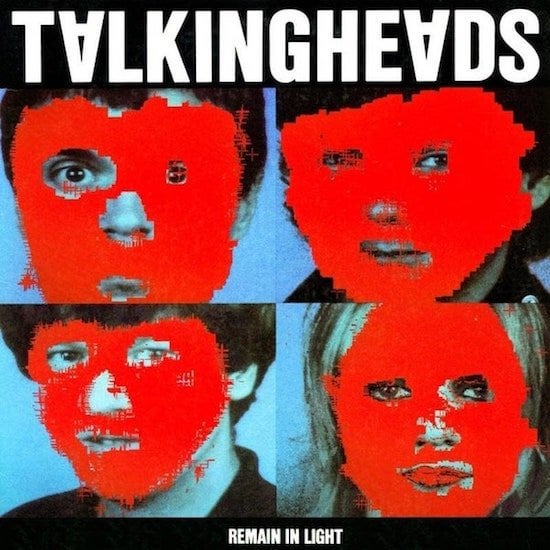
The visual style 'Remain In Light' emerged in the late 1970s and early 1980s, characterized by bold geometric shapes, vibrant colors, and the use of high contrast. This style became famous for its fusion of art and music, with album covers and music videos reflecting this aesthetic.
View StyleExplore Style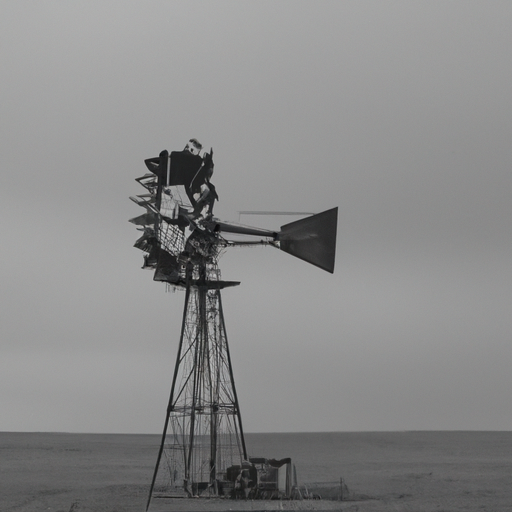
Robert Frank, a Swiss-born American photographer and filmmaker, is famous for his raw and candid photographic style. His most notable work is the book 'The Americans', published in 1958, which documented his journey across the United States from 1955 to 1956. Frank's photographs captured the gritty reality of American life, often showcasing the disillusionment, inequality, and loneliness of the time. His use of unconventional compositions, high contrast, and grainy black and white aesthetic became influential in the world of documentary photography.
View StyleExplore Style
The Rodchenko visual style, popular in the 1920s and 1930s, is characterized by its use of bold geometric shapes, dynamic compositions, and high contrast. This style became famous for its revolutionary approach to graphic design and photography.
View StyleExplore Style
Rudolph Mate was a Hungarian-born cinematographer known for his work in film noir during the 1940s and 1950s. He was famous for his use of chiaroscuro lighting and creating atmospheric, high contrast visuals.
View StyleExplore Style
Se7en is a dark and atmospheric visual style that gained popularity in the mid-1990s. Known for its gritty and noir-like qualities, it became famous for its psychological thriller film, 'Se7en', directed by David Fincher and released in 1995. The visual style of Se7en is characterized by its use of dimly lit settings, desaturated colors, and high contrast. It effectively creates a haunting and unsettling atmosphere that matches the film's dark themes and narrative. The style became influential in the realm of psychological thrillers and crime dramas, inspiring subsequent films and filmmakers to adopt similar visual aesthetics.
View StyleExplore Style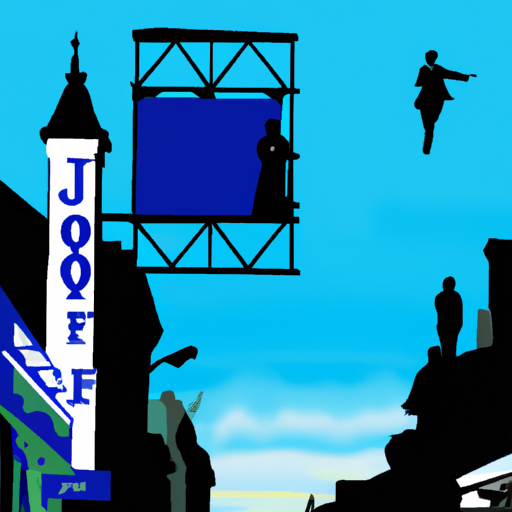
Sin City is a visually distinctive style characterized by high contrast black and white visuals with occasional splashes of vibrant colors. It originated in the genre of film noir and gained widespread recognition through the 2005 film adaptation of Frank Miller's graphic novel of the same name. The style combines the look of classic pulp fiction, crime comics, and the aesthetic of gritty urban landscapes. Sin City's famous visuals are achieved by using digital technology to render live-action footage into stark black and white, emphasizing the play of light and shadow.
View StyleExplore Style
The Sin City Film Adaptation style, popularized by the 2005 film adaptation of Frank Miller's graphic novels, features high contrast black and white visuals with occasional splashes of vibrant color, creating a gritty and stylized neo-noir look.
View StyleExplore Style
Sin City Graphic Novels is a highly stylized and visually striking black-and-white comic book art style created by Frank Miller in the early 1990s. Known for its noir-inspired urban landscapes, high contrast imagery, and use of limited color, it became famous for its unique visual storytelling in the comic book world.
View StyleExplore Style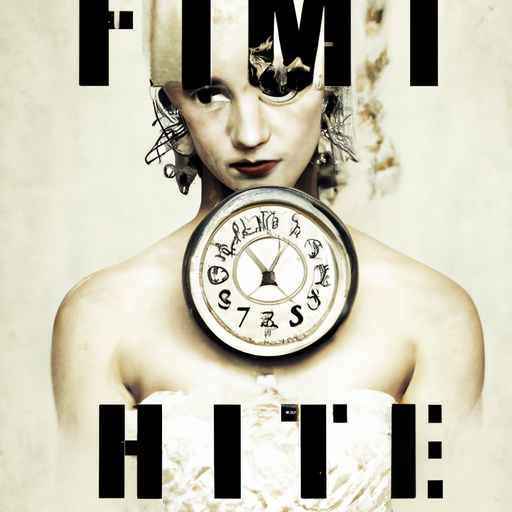
Steven Klein is known for his provocative, edgy and dark visual style. Emerging in the 1990s, his work often features high contrast, stark lighting, and a sense of tension. Klein gained fame for his controversial and boundary-pushing fashion editorials and celebrity portraits. He has collaborated with many top fashion magazines and brands, such as Vogue, Gucci, and Calvin Klein, and has worked with numerous iconic figures in the entertainment industry. Klein's distinct and daring approach to photography has made him one of the most influential and sought-after photographers of his generation.
View StyleExplore Style
Swiss Graphic Design emerged in the 1950s and became famous for its simplicity, precision, and strong emphasis on grid-based layouts and typography. It is characterized by clean, organized designs with a focus on readability and clear communication. The use of sans-serif typefaces, asymmetrical layouts, and high contrast colors are common in this style. Notable designers such as Josef Müller-Brockmann and Max Miedinger contributed to the development and popularity of Swiss Graphic Design.
View StyleExplore Style
The visual style of 'The Seventh Seal' is stark, moody, and haunting, characterized by high contrast black and white cinematography and a sense of existential dread. Released in 1957, this style became famous for its iconic and atmospheric look.
View StyleExplore Style
The Velvet Underground visual style is characterized by gritty, avant-garde, and experimental aesthetics. Emerging in the 1960s alongside the iconic band of the same name, this style often included high contrast black and white imagery, stark lighting, and unconventional compositions that pushed the boundaries of traditional rock music imagery.
View StyleExplore Style
Vibrant Colors is a visual style characterized by bold, intense hues that pop and grab attention. This style became famous in the mid-20th century and is known for its use of high contrast and saturated colors.
View StyleExplore Style
A dark and moody visual style popular in American films of the 1940s and 1950s, characterized by low-key lighting, stark contrasts, and shadowy, high-contrast compositions. Emphasizes themes of crime, corruption, and moral ambiguity.
View StyleExplore Style
William Klein is known for his avant-garde and experimental visual style that emerged in the 1950s and 1960s. His photographs and films are characterized by their raw and gritty aesthetic, capturing the energy and chaos of urban life. Klein's innovative use of high contrast, wide angles, and blurred motion helped redefine and challenge traditional notions of photography. With his groundbreaking book 'New York', published in 1956, Klein gained international recognition, influencing a new generation of photographers and paving the way for street photography as an art form.
View StyleExplore Style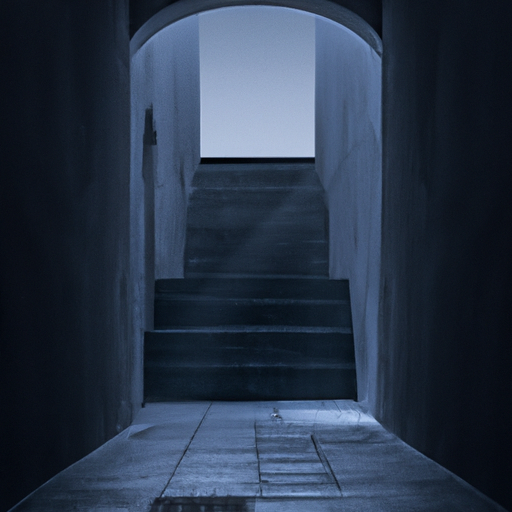
The visual style of Zack Snyder is characterized by its dark, gritty, and visually impressive aesthetic. With a focus on high contrast, desaturated color palettes, and stunning slow-motion shots, Snyder's style became famous in the early 2000s through films like '300' (2006) and 'Watchmen' (2009). His distinct visual style often incorporates intense action sequences and stylized violence, creating a sense of realism within fantastical or superhero narratives.
View StyleExplore Style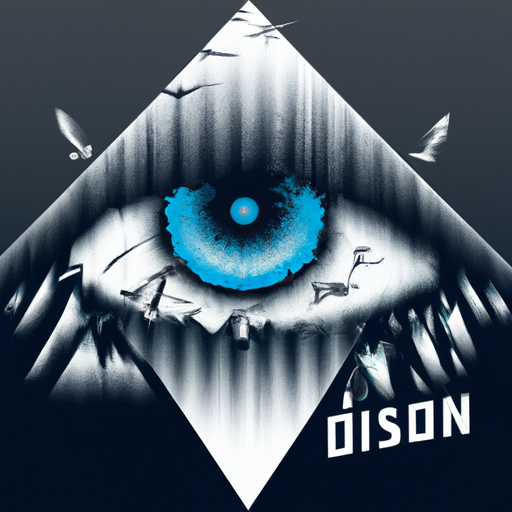
The Zack Snyder Director style is characterized by visually stunning and highly stylized cinematography. This style gained popularity in the late 2000s and early 2010s and is famous for its dark, gritty, and visually striking visuals. It often includes intense slow-motion shots, desaturated color palettes, high contrast, and dramatic use of lighting. Snyder's works like '300' and 'Watchmen' are prime examples of this style that have become iconic.
View StyleExplore Style