
Akira Yamaoka
Akira Yamaoka is a Japanese video game composer, sound designer, and producer known for creating haunting and atmospheric soundtracks for the survival horror video game series Silent Hill, starting in the 1990s.
View StyleExplore Style Stylopedia
A visual encyclopedia of haunting styles – use as prompt inspiration for Midjourney, Gemini, or ChatGPT AI when making haunting images
Akira Yamaoka is a Japanese video game composer, sound designer, and producer known for creating haunting and atmospheric soundtracks for the survival horror video game series Silent Hill, starting in the 1990s.
View StyleExplore Style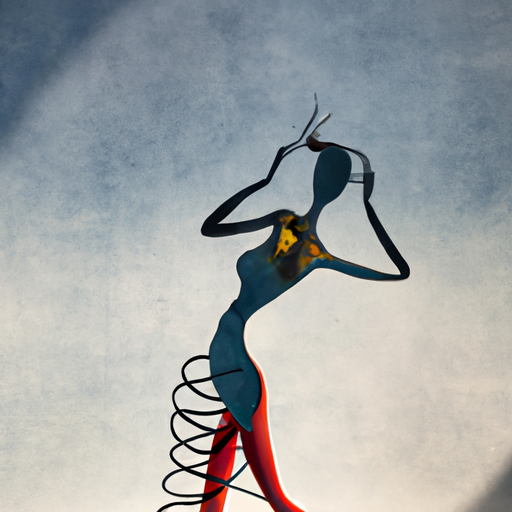
Alberto Giacometti's style is characterized by thin, elongated figures with rough, textured surfaces. He is known for his sculptures and paintings that capture the human form in a haunting and expressive way. Giacometti's work gained fame in the mid-20th century for its unique approach to portraying the human condition.
View StyleExplore Style
Angelo Badalamenti is known for his distinctive visual style in film and television, characterized by dreamy, atmospheric, and hauntingly beautiful compositions. He rose to fame for his work with director David Lynch in the 1980s and 1990s, creating some of the most iconic soundtracks in cinema history.
View StyleExplore Style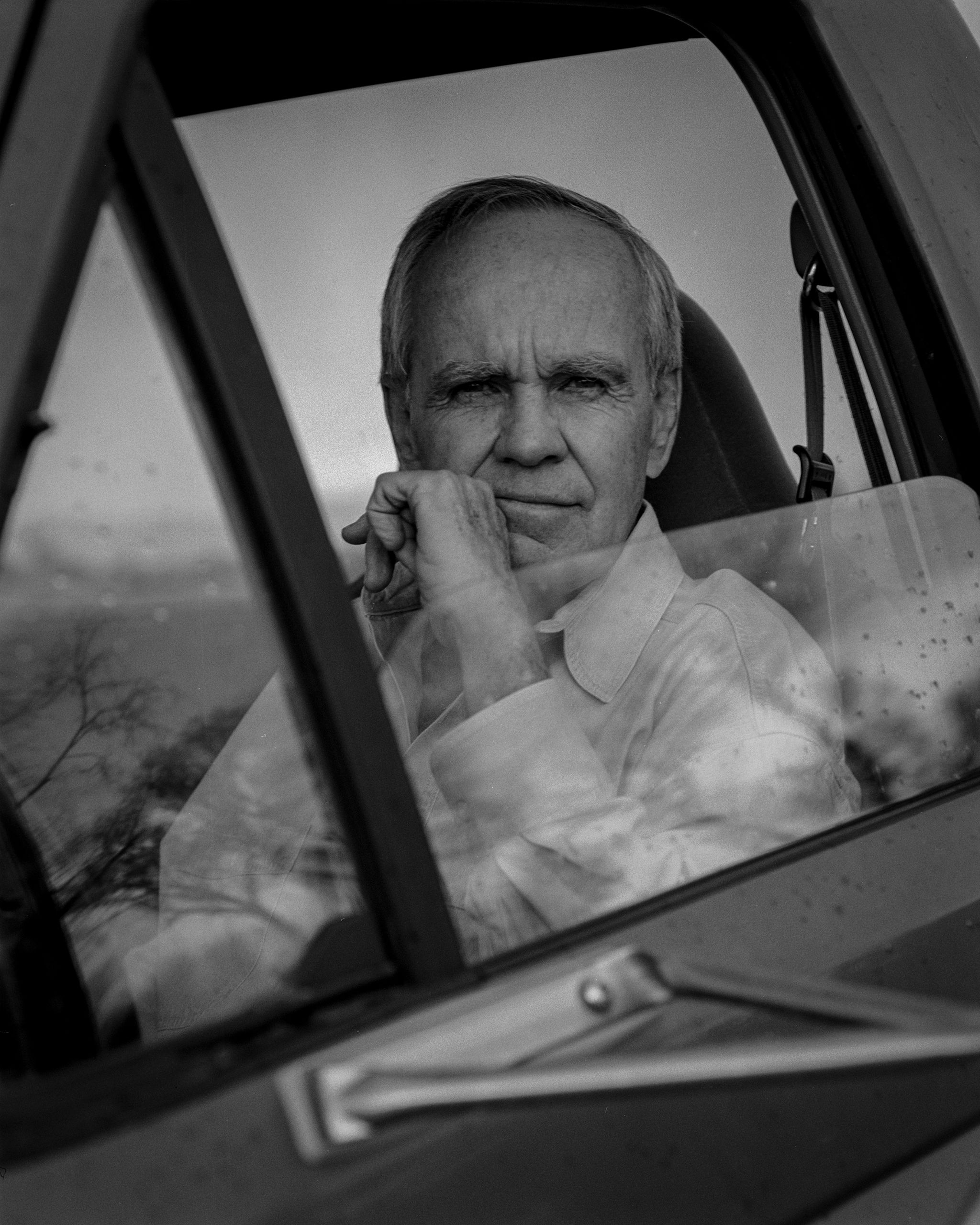
Cormac McCarthy's writing style is sparse, gritty, and devoid of quotation marks or traditional punctuation. His work gained fame for its bleak and haunting portrayal of the American Southwest, notably in novels like 'Blood Meridian' and 'The Road'.

Arnt Jensen is a visual style characterized by hand-drawn, painterly artwork with a whimsical and dream-like quality. Popularized in video games such as 'Limbo' and 'Inside', this style often features monochromatic or muted color palettes, detailed environments, and haunting atmospheres.
View StyleExplore Style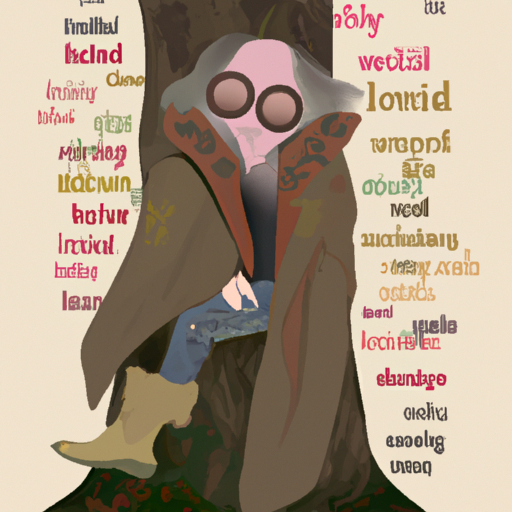
The visual style of Tim Burton is a unique and gothic blend of fantasy, dark humor, and macabre elements. Emerging in the 1980s, Tim Burton gained fame for his distinctive style, which often features quirky characters, twisted storylines, and a darkly whimsical tone. His use of exaggerated, stylized visuals and surreal settings creates a dreamlike atmosphere that is both haunting and enchanting.
View StyleExplore Style
Bloodborne is a dark, gothic-inspired visual style characterized by eerie environments, grotesque creatures, and intricate details. Released in 2015, its haunting atmosphere and challenging gameplay made it famous.
View StyleExplore Style
The Hyde visual style is characterized by dark, moody tones, intricate patterns, and a sense of mystery. Popularized in the 1800s, this style is inspired by gothic architecture and Victorian fashion, creating a haunting and dramatic aesthetic.
View StyleExplore Style
Carson McCullers is a visual style inspired by the Southern Gothic genre, characterized by haunting and atmospheric depictions of rural Southern settings. This style gained prominence in the mid-20th century through the works of American novelist Carson McCullers, known for her dark and introspective storytelling.
View StyleExplore Style
The Castlevania video games feature a gothic, dark, and haunting visual style, often set in eerie castle environments filled with monsters, demons, and other supernatural creatures. This style became famous for its pixel art graphics, detailed character designs, and atmospheric music.
View StyleExplore Style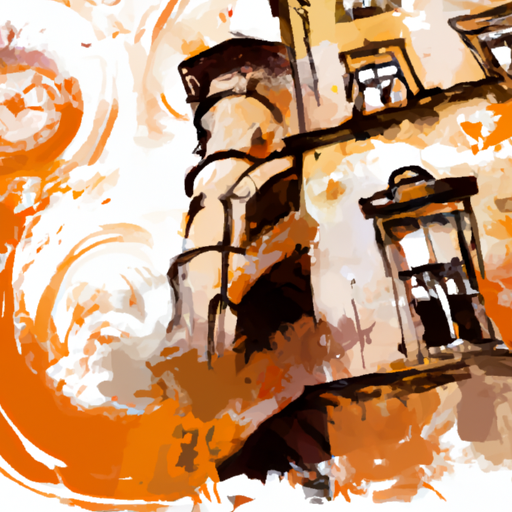
Crimson Peak is a visual style that blends elements of Gothic literature and Victorian era aesthetics. It gained prominence in the 19th century and became famous for its eerie and atmospheric settings characterized by decaying mansions, dark hallways, and haunting landscapes. This style is best known for its striking use of deep reds, purples, and dark hues to create an unsettling and haunting ambiance. The visual style of Crimson Peak was popularized by the film of the same name, directed by Guillermo del Toro in 2015.
View StyleExplore Style
A visual style characterized by eerie and mysterious elements often set in fantastical worlds with dark and gothic aesthetics. Popularized in literature, art, and film during the late 19th to early 20th centuries, this genre blends elements of fantasy, horror, and surrealism to create a haunting and fantastical atmosphere.
View StyleExplore Style
The Dark Souls Series is known for its dark, gothic, and eerie aesthetic, featuring intricate level design and haunting atmospheres. The use of muted colors, detailed environments, and menacing creatures create a foreboding and challenging gameplay experience.
View StyleExplore Style
The visual style of Darren Aronofsky's frequent collaborators Matthew Libatique, Clint Mansell, and Andrew Weisblum is characterized by intense and immersive cinematography, haunting and atmospheric music, and seamless editing. This collaborative team has worked together on acclaimed films such as 'Requiem for a Dream' and 'Black Swan', creating visually stunning and emotionally impactful cinematic experiences.
View StyleExplore StyleThe visual style of Darren Aronofsky's films is characterized by bold cinematography by Matthew Libatique, haunting scores by Clint Mansell, and dynamic editing by Andrew Weisblum. This collaborative team has worked together on acclaimed films like Requiem for a Dream, Black Swan, and The Wrestler.
View StyleExplore StyleKnown for their collaboration with director Darren Aronofsky, this visual style combines striking cinematography, haunting musical compositions, and seamless editing to create intense and emotionally charged films such as Requiem for a Dream and Black Swan.
View StyleExplore StyleCharacterized by dark, gritty visuals, intense storytelling, and haunting music, Aronofsky's collaborations with Libatique, Mansell, and Weisblum have defined a new standard in cinematic experience.
View StyleExplore Style
David Lynch is a visionary filmmaker known for his unique and enigmatic visual style. His style emerged in the 1980s and gained widespread recognition through his acclaimed film 'Eraserhead' released in 1977 and the TV series 'Twin Peaks' in the early 1990s. Lynch's visual style is characterized by surrealism, psychological depth, and a sense of mystery. He often juxtaposes light and dark elements, creating a dreamlike atmosphere that blurs the lines between reality and imagination. Through the use of unconventional camera angles, eerie lighting, and haunting sound design, Lynch's work embodies a haunting and unsettling beauty.
View StyleExplore Style
The Edgar Allan Poe visual style is characterized by dark and macabre imagery, often depicting eerie landscapes, haunting figures, and gothic architecture. It became popular in the 19th century and is famous for its exploration of psychological and supernatural themes. Famous for his dark poetry and stories, Edgar Allan Poe inspired this visual style with his tales of mystery, horror, and suspense.
View StyleExplore Style
The visual style of Elie Wiesel is characterized by haunting and emotive imagery that captures the horrors of the Holocaust. His illustrations are stark and powerful, often focusing on the human suffering and resilience during this dark period in history.
View StyleExplore Style
Ennio Morricone is a renowned Italian composer known for his iconic and influential film scores. His style emerged in the 1960s and gained worldwide recognition. Morricone's music is characterized by its innovative use of diverse instruments, unconventional melodies, and dramatic arrangements. He is famous for his work in the Spaghetti Western genre, particularly his collaborations with director Sergio Leone. Morricone's scores helped define the genre with their haunting, atmospheric soundscapes and memorable motifs.
View StyleExplore Style
Francesca Woodman was an American photographer known for her black and white self-portraits. Her works were produced in the late 1970s and early 1980s. Woodman's style is characterized by surreal and haunting compositions, often exploring themes of identity, femininity, and the body. Her photographs blend elements of performance and vulnerability, capturing herself in ethereal and ghostly settings. Woodman's work gained recognition posthumously and has influenced subsequent generations of photographers.
View StyleExplore Style
Gerald Brom is a renowned dark fantasy artist known for his haunting and macabre imagery. His visual style gained popularity in the 1990s and continues to be influential today. Brom's work is characterized by its detailed and evocative portrayal of dark and fantastical subjects such as demons, monsters, vampires, and post-apocalyptic worlds. His unique combination of imaginative storytelling, skillful technique, and richly textured illustrations has made him famous in the genre.
View StyleExplore Style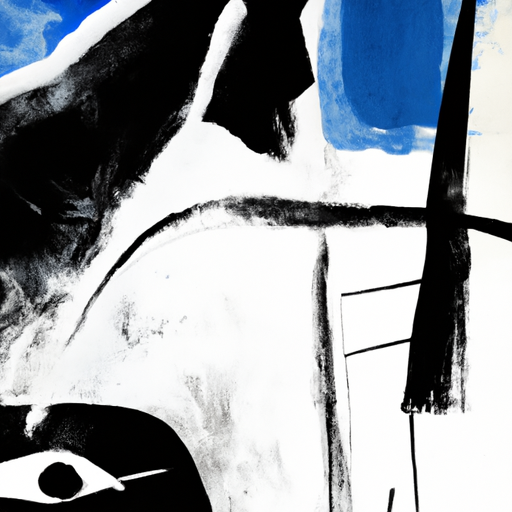
German Expressionism was a visual style that emerged in Germany between 1905 and 1937. It is characterized by distorted and exaggerated forms, vivid colors, and strong emotion. The style was famous for its dark and haunting themes, reflecting the turmoil of the early 20th century in Germany. It became a prominent movement in the aftermath of World War I, as artists sought to express their discontent with society and explore the depths of human emotions.
View StyleExplore Style
Giallo Films is an Italian genre of thriller and horror movies that emerged in the late 1960s and gained popularity in the 1970s. It is characterized by its intense use of stylized visuals, bright and vivid colors, intricate and convoluted plots, psychological and supernatural elements, as well as shocking scenes of violence and eroticism. Giallo Films often feature a masked killer and explore themes of mystery, murder, and detective investigation. The genre is known for its distinctive blend of suspenseful storytelling, atmospheric cinematography, and haunting musical scores. Giallo Films were highly influential in shaping the modern slasher and psychological horror genres.
View StyleExplore Style
Gothic Rock emerged in the late 1970s, characterized by dark, melancholic lyrics, haunting melodies, and an overall brooding aesthetic. Bands like The Cure and Siouxsie and the Banshees popularized this style.
View StyleExplore Style
Goya was a Spanish romantic painter and printmaker known for his dark and intense portrayals of human suffering and political unrest. Active in the late 18th and early 19th centuries, Goya's work is famous for its haunting imagery and emotional depth.
View StyleExplore Style
Hans Zimmer is a renowned composer known for his powerful and evocative musical compositions for film and television. He rose to fame in the 1980s and 1990s by creating iconic soundtracks for movies such as "The Lion King", "Gladiator", and "The Dark Knight". Zimmer's style is characterized by its sweeping orchestral arrangements, haunting melodies, and the innovative use of electronic instruments. His ability to infuse emotions into his music and create unique sonic landscapes has made him a staple in the film industry.
View StyleExplore Style
Holocaust Art emerged in the aftermath of World War II, capturing the horrors and devastation of the Holocaust through powerful and poignant imagery. Artists sought to convey the suffering, loss, and resilience of the victims and survivors, creating haunting and thought-provoking pieces that serve as a testament to the atrocities committed during this dark period of history.
View StyleExplore Style
Hyper Light Drifter is a visually stunning 2D action role-playing game developed by Heart Machine. Released in 2016, it gained fame for its pixel art style and atmospheric design. The game takes inspiration from 8-bit and 16-bit eras, paying homage to classic video games. Its distinctive visuals, featuring a mix of vibrant environments and haunting landscapes, have captivated players and critics alike.
View StyleExplore Style
Ian Curtis is known for his distinct visual style in the post-punk era of the late 1970s and early 1980s. This style gained prominence during his time as the lead singer of the band Joy Division from 1977 to 1980. Curtis became famous for his hauntingly expressive performances and introspective lyrics, which often explored themes of despair, alienation, and inner turmoil. His visual style was characterized by a minimalist and stark aesthetic, with a focus on monochromatic tones and angular shapes. It reflected the bleakness and intensity that characterized his music and lyrics. Ian Curtis's style continues to be revered and has had a significant influence on subsequent generations of musicians and artists.
View StyleExplore Style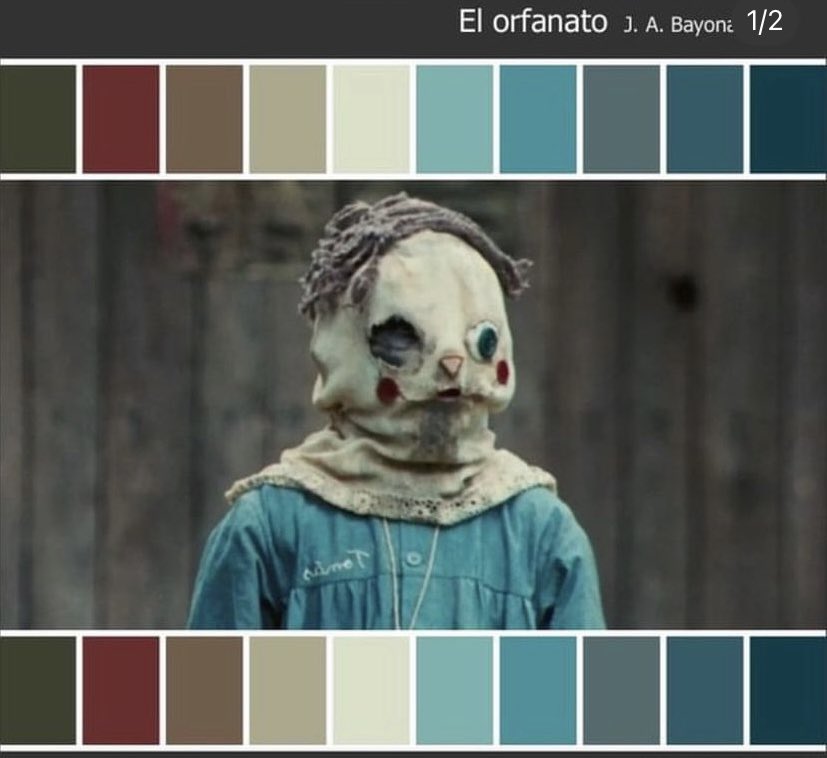
Ja Bayona is a visual style characterized by dark, atmospheric lighting, intricate sets, and a focus on emotional storytelling. Popularized by filmmaker J.A. Bayona in the early 2000s, this style is known for its use of suspenseful camera work and haunting visuals.
View StyleExplore Style
James Nachtwey's visual style is characterized by gritty black and white photojournalism capturing the raw emotions of war, conflict, and social issues. His work gained fame in the late 20th and early 21st centuries for its powerful and haunting imagery.
View StyleExplore Style
Kinuyo Yamashita is a Japanese video game composer known for her work on the Castlevania series. Her haunting and atmospheric compositions helped set the tone for the iconic gothic horror series in the late 1980s.
View StyleExplore Style
Lida Abdul's visual style is characterized by minimalist, haunting, and meditative works that explore themes of war, displacement, and memory. Her use of video installations and performance art gained recognition in the early 2000s, capturing the attention of the international art world.
View StyleExplore Style
Lon Chaney was an American actor and makeup artist who became famous for his transformative performances in silent horror films during the 1920s. His visual style was characterized by his ability to completely transform his appearance through the use of intricate makeup and prosthetics. Chaney's mastery of makeup allowed him to play a variety of grotesque and haunting characters, such as the Phantom in 'The Phantom of the Opera' (1925) and the Hunchback in 'The Hunchback of Notre Dame' (1923). His unique ability to convey complex emotions and evoke empathy for his characters made him one of the most influential actors of his time.
View StyleExplore Style
The Los Brothers Quay visual style is characterized by its dark, surreal, and atmospheric aesthetics. It combines elements of puppetry, stop-motion animation, and live action to create haunting and dreamlike worlds. The Quay Brothers, Stephen and Timothy, gained fame in the late 1970s and 1980s for their unique style and meticulous attention to detail. Their use of handcrafted sets, intricate miniatures, and intricate camera work created a distinct visual language that has influenced many filmmakers and animators.
View StyleExplore Style
Lu Cong is a contemporary portrait artist known for his highly detailed and intimate oil paintings. His visual style is characterized by realistic yet dreamlike renderings of his subjects, capturing their expressions and emotions in a hauntingly beautiful manner. Lu Cong gained recognition in the early 2000s for his ability to evoke a sense of vulnerability and introspection in his portraits, often focusing on the eyes and facial features. His use of soft, muted colors and delicate brushstrokes adds a sense of ethereality and depth to his work. Lu Cong's unique style has garnered him a dedicated following and he has exhibited his paintings in galleries across the world.
View StyleExplore Style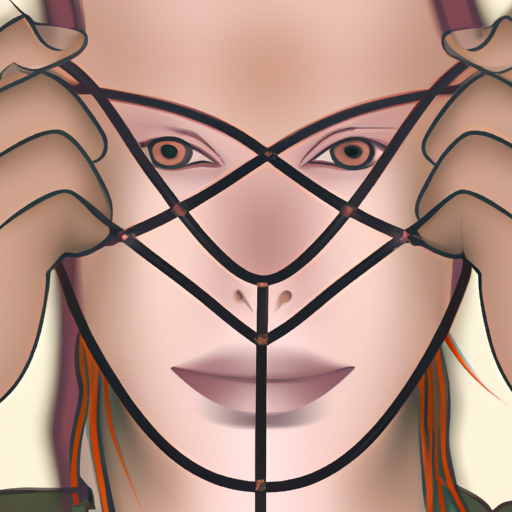
Lynne Ramsay's visual style is characterized by its intense and visceral approach to storytelling. Known for her psychological realism and attention to sensory details, Ramsay's films create an emotional impact through their stunning visuals. Her work often explores complex characters in haunting and atmospheric settings, delving into the depths of human experiences and emotions. Lynne Ramsay rose to fame with her critically acclaimed films 'Ratcatcher' (1999) and 'We Need to Talk About Kevin' (2011), which showcased her unique directorial vision and established her as one of the most distinctive auteurs working today.
View StyleExplore Style
Michael Kenna is known for his minimalist black and white landscape photography, capturing serene and haunting images through the use of long exposure. His work gained popularity in the 1980s and continues to be highly regarded for its unique and evocative compositions.
View StyleExplore Style
Natalie Shau is a contemporary digital artist known for her dark, surreal, and gothic visual style. Her work gained fame in the early 2000s for its haunting beauty and intricate details.
View StyleExplore Style
Nick Brandt is known for his unique black and white photographs of African wildlife, capturing raw emotion and a sense of vulnerability in his subjects. His work gained popularity in the early 2000s for its haunting and emotive portrayal of animals in their natural habitats.
View StyleExplore Style
The visual style of Nosferatu, a 1922 German Expressionist horror film, is characterized by dark, shadowy compositions, distorted shapes, and exaggerated emotions. The use of stark contrast and dramatic lighting create a haunting and eerie atmosphere.
View StyleExplore Style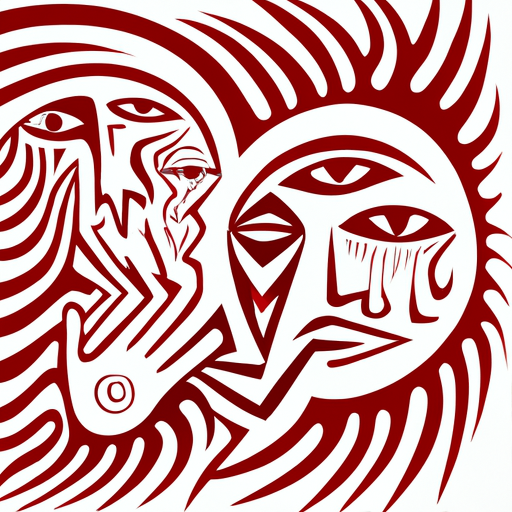
Pans Labyrinth is a visual style that combines elements of dark fantasy and surrealism. It gained fame in 2006 through the film of the same name, directed by Guillermo del Toro. The style is characterized by its intricate and detailed production design, blending fantastical and macabre elements with grounded realism. The film's visual style created a haunting and otherworldly atmosphere, immersing viewers into a grim yet enchanting fairy tale.
View StyleExplore Style
The Playdead visual style is characterized by dark, atmospheric environments, minimalistic design, and cinematic storytelling. This style gained fame through games like Limbo and Inside, known for their haunting and immersive worlds.
View StyleExplore Style
The visual style of Sharp Objects TV Series is haunting and atmospheric, with a focus on depth of character and psychological exploration. Inspired by gothic tones and Southern noir, it weaves a dark and foreboding aesthetic that lingers long after the screen goes dark.
View StyleExplore Style
The Silent Hill Series is known for its eerie, haunting atmospheres, dark and foggy environments, and psychological horror elements. Created by Konami, this style gained fame in the late 1990s and early 2000s for its unique blend of chilling visuals and immersive storytelling.
View StyleExplore Style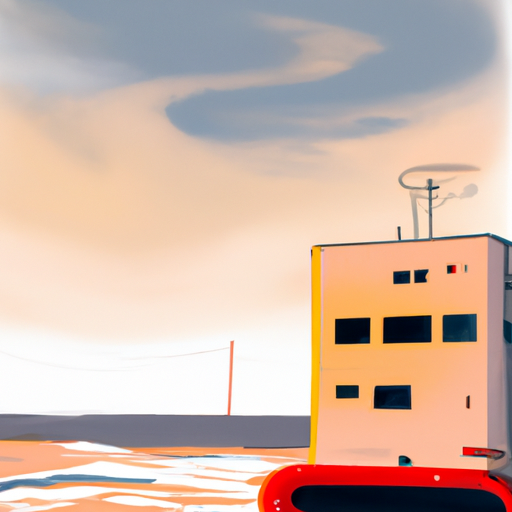
Simon Stalenhag is a Swedish artist known for his unique and captivating visual style that combines elements of science fiction, nostalgia, and rural landscapes. He gained prominence in the early 2010s through his atmospheric digital paintings depicting futuristic technology seamlessly integrated into rural environments. Stalenhag's works evoke a sense of mystery and wonder, often featuring abandoned or decaying structures and vehicles. His use of muted colors and attention to detail create a haunting yet beautiful aesthetic. Stalenhag's style became famous through his books 'Tales from the Loop' (2014) and 'The Electric State' (2017), which showcased his signature blend of science fiction and retro elements.
View StyleExplore Style
The Brothers Quay is known for their dark, surreal, and intricately detailed stop-motion animation style. Their work is often characterized by a mix of puppetry, live action, and elaborate sets that create a dreamlike and haunting atmosphere. They rose to fame in the 1980s and 1990s for their unique visual storytelling.
View StyleExplore Style
The Fall is a visual style characterized by dark and moody aesthetics, primarily used in cinematography and photography. It gained popularity in the late 1990s and early 2000s, and is known for its use of muted colors, heavy shadows, and a sense of melancholy. It features desaturated tones and a reduced color palette, emphasizing the contrast between light and dark. The style often involves incorporating elements of nature and landscapes to create a haunting and atmospheric atmosphere. The Fall became famous for its ability to evoke emotions and tell stories through its unique visual language.
View StyleExplore Style
The visual style of 'The Seventh Seal' is stark, moody, and haunting, characterized by high contrast black and white cinematography and a sense of existential dread. Released in 1957, this style became famous for its iconic and atmospheric look.
View StyleExplore Style
This Mortal Coil is a visual style that emerged in the 1980s, characterized by dark and ethereal imagery often inspired by gothic and surrealistic art. This style became famous for its haunting and otherworldly aesthetic.
View StyleExplore Style
Tin Can Forest is a visual style that combines intricate black and white illustrations with a dark, dreamlike aesthetic. It gained popularity in the early 2000s for its surreal and haunting imagery.
View StyleExplore Style
The visual style of Werner Herzog is characterized by poetic and haunting landscapes, intimate close-ups, and a raw, gritty aesthetic. Famous for his work in the 1970s and 1980s, Herzog's unique approach to storytelling and cinematography has made him a legendary figure in the world of cinema.
View StyleExplore Style
Zdzislaw Beksinski, a Polish artist who lived from 1929 to 2005, is known for his unique and haunting visual style. His art, which gained fame in the late 20th century, can be described as dark, surreal, and apocalyptic. Beksinski often depicted bizarre and nightmarish landscapes, filled with twisted architecture, ominous figures, and surreal creatures. His work is characterized by a dark color palette, intricate details, and a sense of melancholy. Beksinski's art became famous for its ability to evoke powerful emotions and create a sense of unease in the viewer.
View StyleExplore Style