StylopediaStylopedia

Harmonious styles on Stylopedia

A visual encyclopedia of harmonious styles – use as prompt inspiration for Midjourney, Gemini, or ChatGPT AI when making harmonious images

Example of visual style of Bart Van Der Leck

Bart Van Der Leck

Bart Van Der Leck was a Dutch painter and designer known for co-founding the art movement 'De Stijl' (The Style) in 1917. His style is characterized by the use of bold, geometric forms and primary colors. He played a significant role in the development of abstract art and shaped the visual language of the De Stijl movement. Van Der Leck's work became famous for its simplicity and emphasis on basic elements, portraying a harmonious balance between color and form.

View StyleExplore Style
Example of visual style of Contemporary Architecture

Contemporary Architecture

Contemporary Architecture is characterized by its innovative and forward-thinking design, which reflects the spirit of the present time. It emerged in the late 20th century and continues to evolve today. This style became famous for its departure from traditional architectural principles, embracing new materials, technologies, and sustainability practices. Contemporary architecture seeks to create harmonious spaces that blend functionality, aesthetics, and environmental consciousness.

View StyleExplore Style
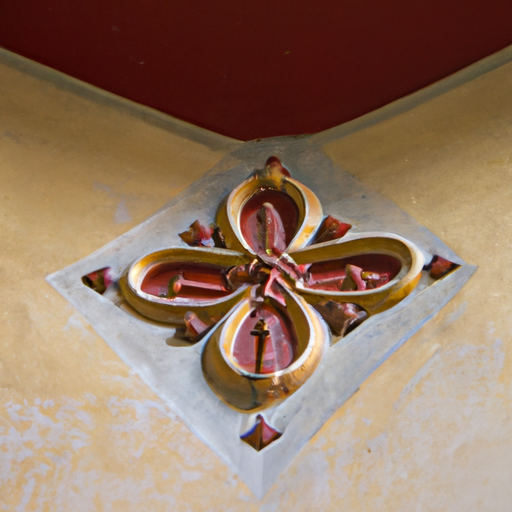
Example of visual style of Fra Angelico

Fra Angelico

Fra Angelico, also known as Beato Angelico, was an Italian painter of the early Renaissance. He is known for his delicate and harmonious paintings, characterized by bright colors and ethereal figures. His works from the 14th and 15th centuries are renowned for their spiritual and religious themes, depicting scenes from the Bible and the lives of saints. Fra Angelico's use of light and shadow, meticulous attention to detail, and his ability to convey a sense of transcendence made him one of the most famous artists of his time.

View StyleExplore Style
Example of visual style of Johannes Gutenberg

Johannes Gutenberg

Johannes Gutenberg, a German inventor and printer, revolutionized the world of printing in the mid-15th century. His invention of the mechanical movable type printing press, around 1450, made mass production of printed works such as books and pamphlets possible. Gutenberg's innovation paved the way for increased literacy, the spread of knowledge, and the democratization of information. This influential style is known for its precise and legible typography, incorporating classic letterforms and ornate embellishments, creating a harmonious and balanced visual composition.

View StyleExplore Style
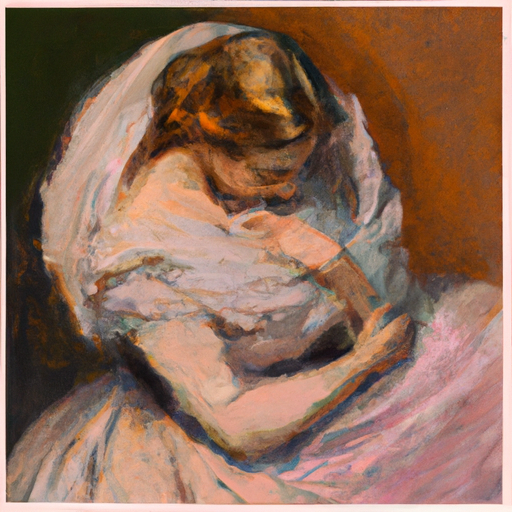
Example of visual style of Maurice Denis

Maurice Denis

Maurice Denis was a French painter and writer, and a leading figure in the Nabis artistic movement. His visual style, developed during the late 19th and early 20th centuries, is characterized by a decorative and symbolic approach to painting. He focused on using bold colors and flat, simplified forms, often incorporating elements of nature, religious symbolism, and everyday life. Denis believed that art should be accessible to everyone, and he aimed to create harmonious and poetic compositions that evoked emotion and spirituality. He became famous for his works such as 'The Green Trees', 'The Bathers', and 'Homage to Cézanne'.

View StyleExplore Style
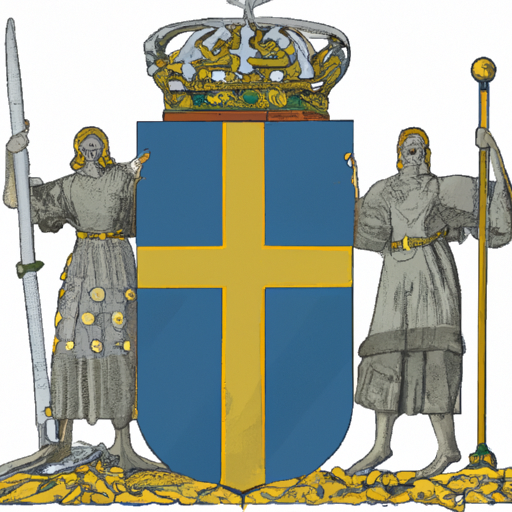
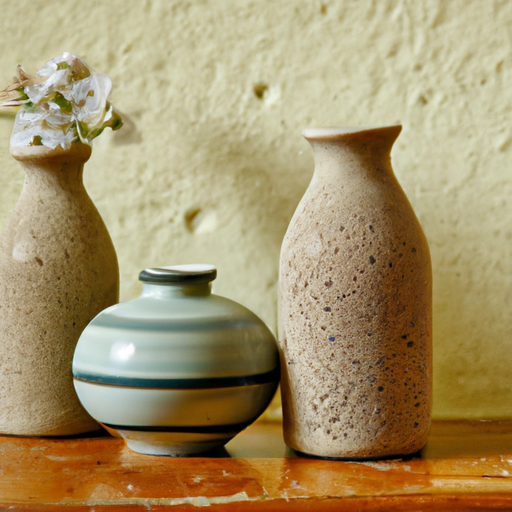
Example of visual style of Scandinavian Design

Scandinavian Design

Scandinavian Design is a minimalistic, functional, and clean design style that emerged in the mid-20th century, primarily in the Nordic countries. It gained prominence in the 1950s and 1960s, when it became famous for its emphasis on simplicity, functionality, and natural materials. This style focuses on creating a harmonious and uncluttered look, with an emphasis on practicality and craftsmanship. The design principles of Scandinavian Design influenced the development of the modern design movement and continue to shape contemporary design trends.

View StyleExplore Style

Example of visual style of Theo Van Doesburg

Theo Van Doesburg

Theo Van Doesburg was a Dutch artist and founder of De Stijl, a major art movement in the early 20th century. His style, known as Neoplasticism, emerged in the 1910s and gained fame for its emphasis on geometric forms, primary colors, and the reduction of art to its fundamental elements. Van Doesburg's style became famous for its bold and abstract compositions, which sought to achieve a universal visual language. It was a response to the chaos of World War I and aimed to create a harmonious and balanced world through art.

View StyleExplore Style
Home