StylopediaStylopedia

Handheld camera styles on Stylopedia

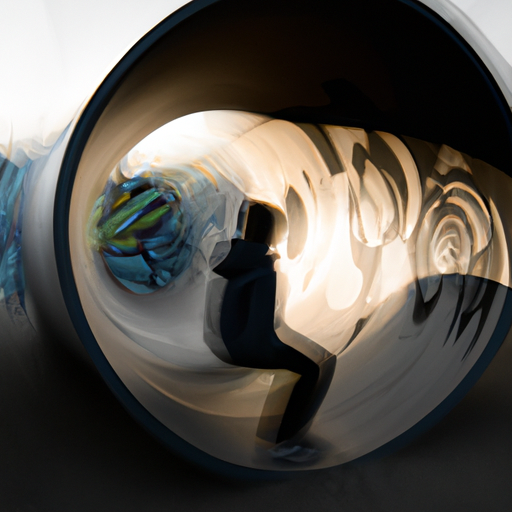
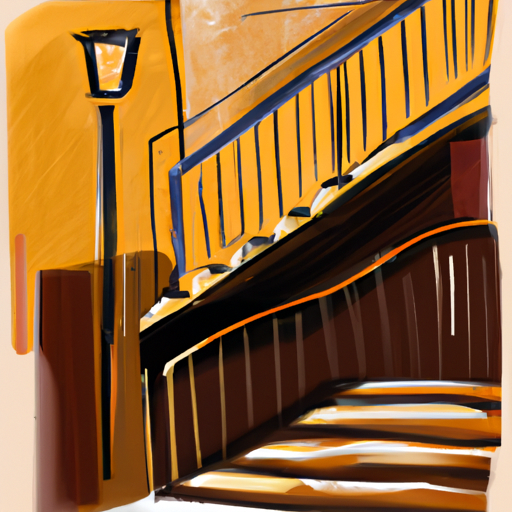
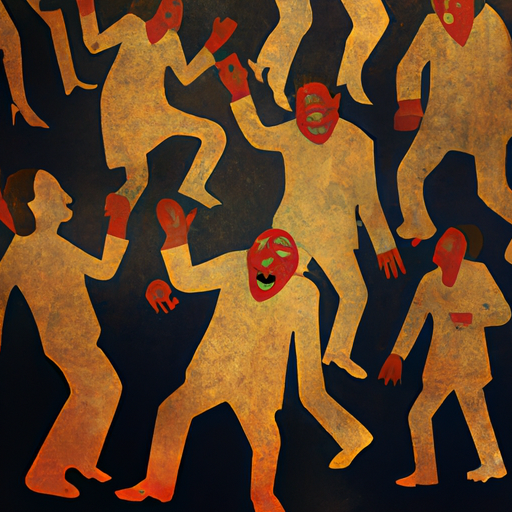
A visual encyclopedia of handheld camera styles – use as prompt inspiration for Midjourney, Gemini, or ChatGPT AI when making handheld camera images

Example of visual style of Andrea Arnold

Andrea Arnold

Andrea Arnold's visual style can be described as raw, gritty, and immersive. She is known for her realistic portrayals of working-class life, often focusing on characters on the fringes of society. Her handheld camera work and use of natural lighting give her films a documentary-like feel. Arnold rose to prominence in the 2000s with her short films and her debut feature, Red Road, which won the Jury Prize at the Cannes Film Festival in 2006. Her subsequent films Fish Tank (2009) and American Honey (2016) further solidified her reputation as a filmmaker with a distinct visual style.

View StyleExplore Style
Example of visual style of Fish Tank

Fish Tank

Fish Tank is a visual style that emerged in the late 2000s. It gained popularity with the release of the critically acclaimed film of the same name in 2009. This style is characterized by its gritty, realistic depiction of working-class life and its focus on characters facing social and personal struggles. Fish Tank style is known for its handheld camera work, natural lighting, and use of naturalistic colors. It often explores themes of adolescence, femininity, and social inequality.

View StyleExplore Style
Example of visual style of François Truffaut

François Truffaut

The visual style of François Truffaut is characterized by naturalistic and documentary-like filmmaking techniques. Truffaut was a prominent figure of the French New Wave movement in cinema during the late 1950s and 1960s. His style became famous for its improvisational nature, handheld camera work, jump cuts, and an emphasis on realistic and personal storytelling. Truffaut's films are often associated with a sense of romanticism and a focus on the complexities of human relationships. He is known for his exploration of themes such as love, desire, childhood, and the fragility of identity. Truffaut's visual style influenced a generation of filmmakers and continues to be revered for its intimate and honest portrayal of life.

View StyleExplore Style
Example of visual style of Gus Van Sant

Gus Van Sant

Gus Van Sant's visual style is characterized by his naturalistic approach, focusing on capturing intimate and raw emotions of his characters. His style became famous in the 1990s with films like 'Drugstore Cowboy' (1989), 'My Own Private Idaho' (1991), and 'Good Will Hunting' (1997), which explored themes of alienation, identity, and human connection. Van Sant's use of long takes, handheld camera work, and his ability to create a sense of authenticity through improvisation and non-professional actors, became his distinct hallmark.

View StyleExplore Style
Example of visual style of Lars Von Trier

Lars Von Trier

Lars Von Trier is a Danish film director known for his provocative and controversial visual style. He gained international fame in the late 20th century through his works such as 'Breaking the Waves' (1996), 'Dancer in the Dark' (2000), and 'Antichrist' (2009). Von Trier's visual style is characterized by its raw and gritty aesthetic, often employing handheld camera work, dark lighting, and naturalistic settings. His films often explore melancholy and despair, pushing the boundaries of traditional storytelling and challenging the viewer's perceptions. Von Trier's ability to evoke intense emotions and create unforgettable, visually striking images has made his work highly influential in the world of cinema.

View StyleExplore Style
Example of visual style of Roberto Rossellini

Roberto Rossellini

Roberto Rossellini was an Italian filmmaker whose visual style is characterized by a documentary-like approach and neorealist aesthetics. His style became famous in the years following World War II when he directed films such as 'Rome, Open City' (1945), 'Paisan' (1946), and 'Germany, Year Zero' (1948). Rossellini's style aimed to depict reality with a raw and unfiltered lens, often using non-professional actors and real locations to create a sense of authenticity. His films explored social and political issues, emphasizing the experiences of ordinary people. Rossellini's style is known for its realism, natural lighting, handheld camera work, and intimate and personal storytelling.

View StyleExplore Style
Example of visual style of The Sopranos

The Sopranos

The visual style of 'The Sopranos' can be described as gritty and realistic. It became famous in the late 1990s and early 2000s, during the show's original run from 1999 to 2007. The style is characterized by its portrayal of the New Jersey mafia and its focus on the dark and complex lives of the characters. The visual style often involves dimly lit scenes, a mix of handheld and static camera shots, and a color palette that reflects the grittiness of the mob world.

View StyleExplore Style
Home