StylopediaStylopedia

Hand-drawn animation styles on Stylopedia

A visual encyclopedia of hand-drawn animation styles – use as prompt inspiration for Midjourney, Gemini, or ChatGPT AI when making hand-drawn animation images

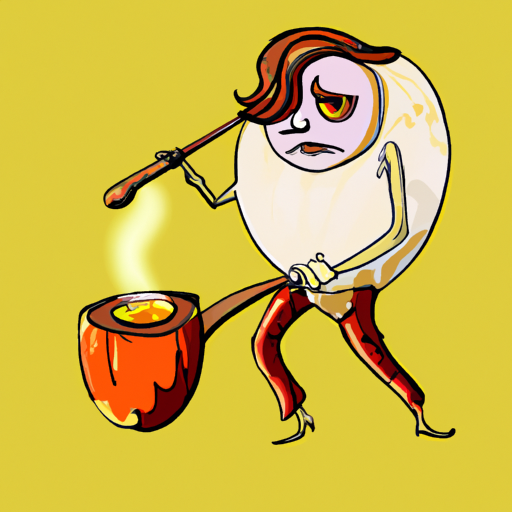
Example of visual style of Animation Style Of The 90s

Animation Style Of The 90s

The Animation Style Of The 90s is characterized by vibrant colors, exaggerated movements, and a mix of traditional hand-drawn animation and emerging computer-generated imagery. It gained popularity during the 1990s and was known for its distinctive look and energetic storytelling. This style became famous through the rise of animated TV shows, such as 'The Simpsons,' 'Animaniacs,' and 'Ren & Stimpy,' as well as films like 'The Lion King' and 'Toy Story.' The combination of traditional techniques with new technologies helped create a visually unique and captivating experience for audiences.

View StyleExplore Style
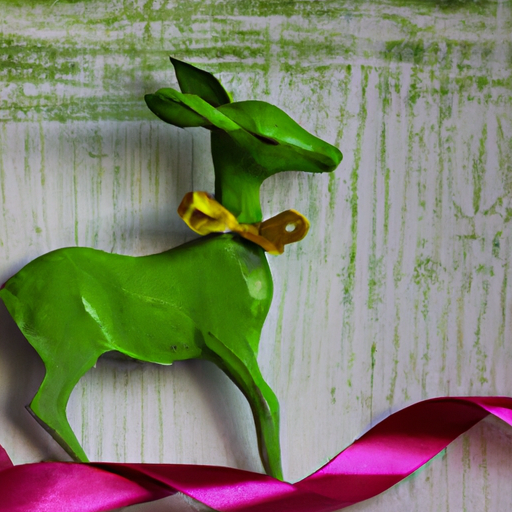
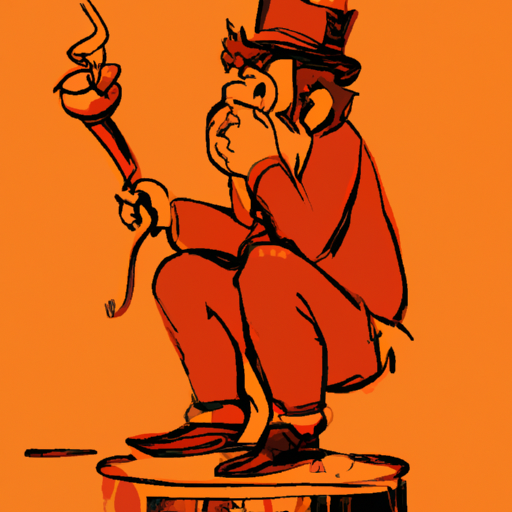
Example of visual style of Bambi

Bambi

Bambi is a visual style known for its delicate and naturalistic hand-drawn animation. It gained popularity in the 1940s and 1950s through the classic Disney animated film 'Bambi', directed by David Hand. This style is characterized by vibrant and detailed backgrounds, expressive and lifelike character designs, and a strong focus on nature and wildlife. The use of contrasting colors, soft lines, and realistic movements made this style famous for capturing the beauty and grace of the natural world in animation.

View StyleExplore Style
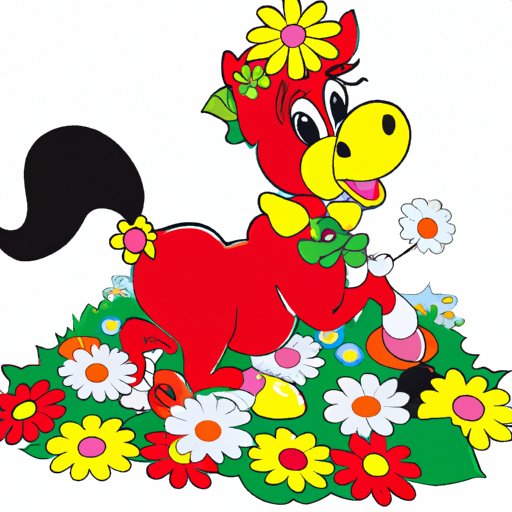
Example of visual style of Disney

Disney

Disney visual style refers to the distinctive artistic and animation style associated with Walt Disney and his company, The Walt Disney Company. This style became famous starting from the late 1920s with the release of the first synchronized sound Mickey Mouse cartoon, 'Steamboat Willie', and it continues to be popular to this day. The Disney visual style is characterized by vibrant colors, fluid and exaggerated motion, anthropomorphic characters, and a sense of wonder and enchantment. It combines traditional hand-drawn animation techniques with innovative storytelling, creating memorable and timeless characters and stories.

View StyleExplore Style
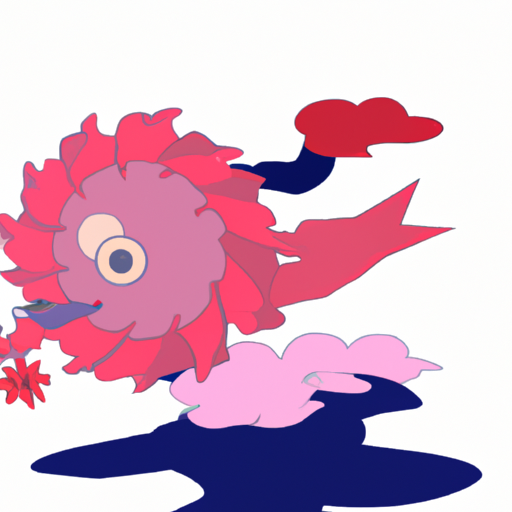
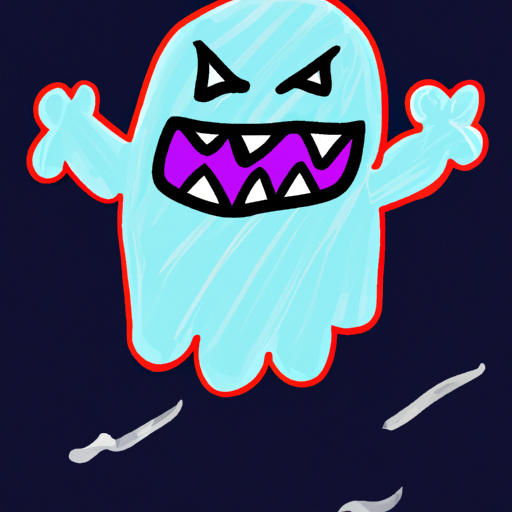
Example of visual style of Don Bluth

Don Bluth

Don Bluth is an American animator, filmmaker, and director known for his distinct visual style in animated films during the 1980s and 1990s. He gained fame for his work on films like 'The Secret of NIMH' (1982), 'An American Tail' (1986), and 'The Land Before Time' (1988). Bluth's style is characterized by its vibrant and detailed hand-drawn animation, high-quality backgrounds, fluid character movements, and dramatic lighting, which brought a more mature and dark tone to traditional animated films. His work often showcased emotionally resonant stories with memorable characters, appealing to both children and adults alike.

View StyleExplore Style
Example of visual style of Ghibli Studio

Ghibli Studio

Ghibli Studio is a renowned Japanese animation studio that became popular in the late 20th century. It was founded in 1985 by Hayao Miyazaki and Isao Takahata. Ghibli Studio is famous for its visually stunning and emotionally captivating animated films. Their movies, such as 'My Neighbor Totoro', 'Princess Mononoke', and 'Spirited Away', have gained worldwide recognition for their creative storytelling, imaginative worlds, and attention to detail. The studio's unique animation style combines hand-drawn and digital techniques to create a distinct and enchanting visual experience. The films often explore themes of nature, identity, and human relationships, captivating audiences of all ages.

View StyleExplore Style
Example of visual style of Golden Age Of American Animation

Golden Age Of American Animation

The Golden Age of American Animation refers to the period between the 1920s and 1960s when animation in the United States experienced a significant rise in quality and popularity. During this era, animation studios like Walt Disney Productions, Warner Bros. Cartoons, and MGM produced iconic cartoon characters and films that became cultural phenomena. The use of Technicolor, intricate hand-drawn animation, and the development of synchronized sound were key factors that contributed to the success and fame of this style.

View StyleExplore Style
Example of visual style of Jennifer Yuh Nelson

Jennifer Yuh Nelson

Jennifer Yuh Nelson is a visual artist and director known for her distinct style in animated films. Her style gained recognition in the early 2010s through her work on the 'Kung Fu Panda' film series. Nelson brought a unique blend of traditional hand-drawn animation and computer-generated imagery (CGI) to create visually stunning and dynamic scenes. Her attention to detail and ability to capture expressive character performances made her work truly standout. Jennifer Yuh Nelson's contribution to the animation industry has influenced many aspiring artists and filmmakers.

View StyleExplore Style
Example of visual style of John Musker

John Musker

John Musker is an American director, screenwriter, and producer known for his work in the animation industry. He is famous for his collaboration with Ron Clements, together known as 'Musker and Clements'. Their visual style became popular in the late 1980s and 1990s, with films like 'The Little Mermaid' (1989), 'Aladdin' (1992), and 'Hercules' (1997). Musker's style is characterized by vibrant colors, fluid animation, and a blend of traditional hand-drawn animation with computer-generated imagery. His films often incorporate musical numbers and feature visually stunning fantasy worlds.

View StyleExplore Style
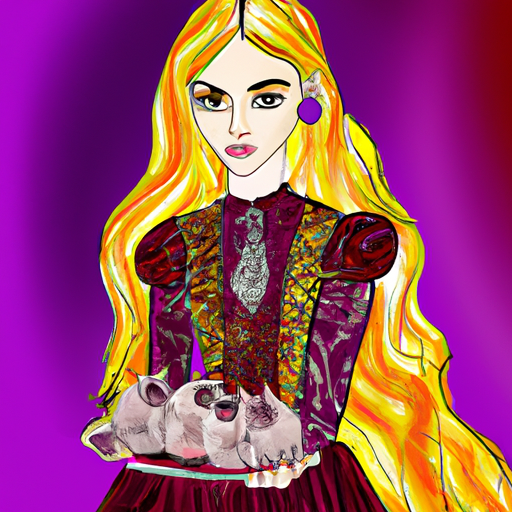
Example of visual style of Macross Series

Macross Series

The Macross Series is a Japanese mecha anime franchise that started in 1982. It gained popularity for its combination of transforming fighter jets, captivating storytelling, and intricate character development. The franchise became particularly famous for its distinctive space opera themes, detailed hand-drawn animation, and intricate mecha designs. It has been known to captivate audiences with its blend of action, romance, and science fiction. The Macross Series has continued to evolve over the years, with different installments exploring various storylines and introducing new mecha designs.

View StyleExplore Style
Example of visual style of Merrie Melodies

Merrie Melodies

Merrie Melodies is a visual style that originated in the 1930s and gained fame through its iconic animated shorts. It is known for its vibrant and colorful hand-drawn animation, lively characters, and slapstick humor. The style became popular with the release of the first Merrie Melodies cartoon 'Lady, Play Your Mandolin!' in 1931, produced by Warner Bros. The series featured a wide range of characters like Bugs Bunny, Daffy Duck, and Porky Pig, each with their distinct personalities. With its catchy musical scores, fast-paced action, and clever gags, Merrie Melodies set a new standard for animated entertainment.

View StyleExplore Style
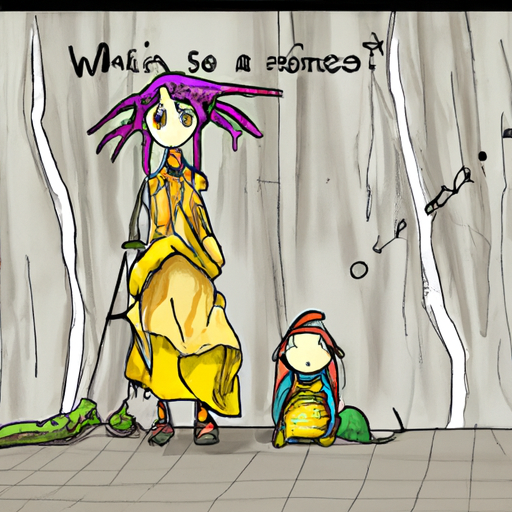
Example of visual style of Miyazaki Hayao

Miyazaki Hayao

The Miyazaki Hayao visual style refers to the distinctive and imaginative animation style created by Japanese filmmaker Miyazaki Hayao. This style gained widespread recognition and popularity in the late 20th and early 21st centuries through movies such as Spirited Away (2001) and My Neighbor Totoro (1988). Miyazaki's work is characterized by vibrant and detailed hand-drawn animation, fantastical landscapes, complex and relatable characters, and a strong focus on nature and environmental themes. His films often blend elements of fantasy, adventure, and coming-of-age stories, captivating audiences of all ages around the world.

View StyleExplore Style
Example of visual style of Russian Animation

Russian Animation

Russian Animation is known for its distinct artistic style and creative storytelling. It gained prominence during the Soviet era from the 1920s to the 1980s. This style became famous for its use of strong, bold colors, intricate and detailed hand-drawn animation, as well as its ability to convey deep emotions and philosophical themes. Some notable years for Russian Animation include the 1950s when Soyuzmultfilm studio was established and produced a series of acclaimed short films. It continued to thrive during the 1960s and 1970s with the works of influential animators such as Yuri Norstein and Ivan Ivanov-Vano. Russian Animation became internationally recognized due to its unique blend of storytelling, poetic visuals, and exploration of complex topics like war, politics, and everyday life.

View StyleExplore Style
Example of visual style of Shinichiro Watanabe

Shinichiro Watanabe

Shinichiro Watanabe is a renowned Japanese anime director known for his distinctive visual style. His works gained fame in the late 1990s to early 2000s and continue to be popular today. Watanabe became famous for his ability to blend multiple genres seamlessly, creating unique and engaging narratives that appeal to a wide audience. His animation style often combines traditional hand-drawn techniques with elements of computer-generated animation, giving his works a dynamic and visually stunning quality. Watanabe's use of vibrant colors, fluid movements, and attention to detail contribute to the captivating visual experience his works provide.

View StyleExplore Style
Example of visual style of Snow White

Snow White

Snow White is a visual style that emerged in the early 20th century, particularly around the 1930s. It gained fame through Disney's animated film 'Snow White and the Seven Dwarfs' released in 1937, which was the first full-length cel-animated feature film. The style is characterized by its vibrant colors, soft contours, and intricate details, creating a whimsical and enchanting world. It is known for its use of hand-drawn animation, intricate backgrounds, and a mix of realism and fantasy. The success of 'Snow White and the Seven Dwarfs' paved the way for future animated films and solidified the popularity of this visual style.

View StyleExplore Style
Example of visual style of Studio Ghibli

Studio Ghibli

Studio Ghibli is a Japanese animation studio known for its distinctive visual style characterized by richly detailed hand-drawn animation, fantastical landscapes, and enchanting storytelling. Founded in 1985 by filmmakers Hayao Miyazaki and Isao Takahata, Studio Ghibli rose to prominence in the late 1980s and early 1990s with films like Castle in the Sky (1986), My Neighbor Totoro (1988), and Princess Mononoke (1997). The studio's attention to meticulous animation, attention to natural environments, and emphasis on themes of environmentalism and the human connection to nature have made Studio Ghibli famous worldwide.

View StyleExplore Style
Home