StylopediaStylopedia

Hand-drawn styles on Stylopedia

A visual encyclopedia of hand-drawn styles – use as prompt inspiration for Midjourney, Gemini, or ChatGPT AI when making hand-drawn images

Example of visual style of Animation Design

Animation Design

Animation Design is a visual style that involves the creation of moving images using various techniques like hand-drawn, stop-motion, computer-generated, and more. It gained prominence in the early 20th century with the introduction of animated films like Snow White and the Seven Dwarfs (1937) which showcased the potential of animation as a storytelling medium. Animation Design combines art and technology to bring inanimate objects or characters to life, captivating audiences with its whimsical and immersive worlds.

View StyleExplore Style


Example of visual style of Architecture Visualization

Architecture Visualization

Architecture Visualization is a visual style that involves presenting architectural designs through digital or hand-drawn illustrations. This style became prominent in the late 20th century with the advent of computer-aided design (CAD) technologies. It gained popularity due to its ability to effectively communicate design concepts and showcase the potential of architectural projects. With the use of 3D modeling, virtual reality, and advanced rendering techniques, architects and designers can create realistic and visually appealing representations of their designs. Architecture Visualization has played a crucial role in architectural marketing, presentations, and competitions.

View StyleExplore Style
Example of visual style of Charlie Brown

Charlie Brown

The visual style of Charlie Brown is a simplistic and minimalistic art style characterized by its hand-drawn, black and white comic strip aesthetic. This style was made famous through the popular comic strip 'Peanuts' created by Charles M. Schulz. Running from 1950 to 2000, 'Peanuts' explored the everyday lives and musings of a group of young children, with Charlie Brown as the central character. The distinctive visual style of 'Charlie Brown' became iconic and instantly recognizable, capturing the essence of childhood innocence and introspection.

View StyleExplore Style
Example of visual style of Gennedy Tartakovsky

Gennedy Tartakovsky

Gennedy Tartakovsky is a visual creator known for his distinctive animation style characterized by fluid and exaggerated motion, bold colors, and simplified character designs. His style became famous in the late 1990s and early 2000s through his critically acclaimed animated shows such as Samurai Jack and Dexter's Laboratory. Tartakovsky's animation style combines elements of traditional hand-drawn animation with a modern and dynamic approach, captivating audiences with his visually stunning and highly energetic animations.

View StyleExplore Style
Example of visual style of Golden Age Of Animation

Golden Age Of Animation

The Golden Age of Animation refers to the period of time from the 1920s to the 1960s when animation reached its peak and became a prominent form of entertainment. It encompassed the era of hand-drawn animation where iconic characters like Mickey Mouse and Bugs Bunny were born. This period is famous for its rich storytelling, colorful and fluid animation, and the introduction of synchronized sound. It marked a significant advancement in animation techniques and paved the way for the modern animation industry.

View StyleExplore Style
Example of visual style of Hey Arnold

Hey Arnold

Hey Arnold is a popular animated television series that aired from 1996 to 2004. The visual style of Hey Arnold is characterized by its bold and exaggerated character designs, vibrant color palette, and detailed urban setting. The show gained fame for its unique art direction, which effectively captured the gritty but whimsical atmosphere of the city. The animation style combined traditional hand-drawn animation with some computer-generated imagery, resulting in a visually distinctive aesthetic.

View StyleExplore Style
Example of visual style of Mid 20th Century Animation

Mid 20th Century Animation

Mid 20th Century Animation refers to the animation style popularized between the 1940s and 1960s. This period marked a significant advancement in animation techniques and the establishment of major animation studios. The style became famous for its characteristic hand-drawn animation, vibrant colors, exaggerated movements, and comedic storytelling. It was during this time that some of the most iconic animated characters, such as Mickey Mouse, Bugs Bunny, and Tom and Jerry, were created, capturing the hearts of audiences worldwide.

View StyleExplore Style
Example of visual style of Rat Subculture

Rat Subculture

Rat Subculture is a visual style that emerged in the late 1970s and gained popularity during the 1980s. It is characterized by its gritty, underground aesthetic and rebellious attitude. Inspired by punk and DIY culture, Rat Subculture became famous for its unconventional and unpolished approach to design. It is known for its raw and rough textures, hand-drawn elements, and bold use of typography. The style embodies a sense of anti-establishment and subversion, reflecting the countercultural movements of the time.

View StyleExplore Style
Example of visual style of Stefanie Posavec

Stefanie Posavec

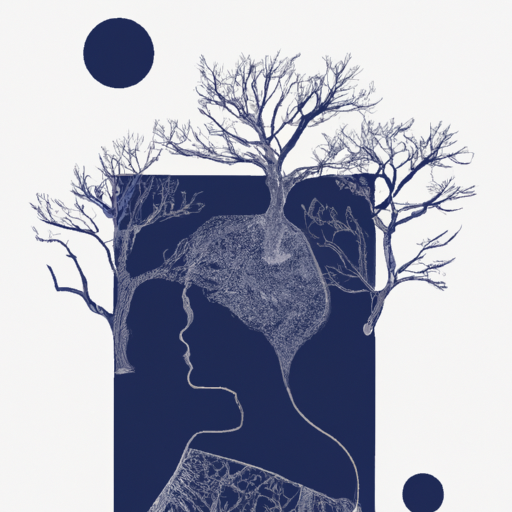
Stefanie Posavec is a renowned data artist known for her intricate and visually stunning data visualizations. Her work gained popularity in the 2000s and continues to inspire and impact the field of data visualization. Posavec's style can be characterized as meticulous, intricate, and highly detailed. She has a strong emphasis on hand-drawn elements, which sets her work apart from other data visualizations. Her use of vibrant colors and unique visual metaphors make her work instantly recognizable and captivating.

View StyleExplore Style
Example of visual style of The Durutti Column

The Durutti Column

The Durutti Column is a visual style that emerged in the late 1970s and gained popularity in the 1980s. Known for its eclectic mix of abstract imagery, collage-like compositions, and unique use of textures, this style encompasses both graphic design and album cover artwork. Its founder, Vini Reilly, was the driving force behind this visual style, which became synonymous with Factory Records. The combination of hand-drawn elements, photography, and minimalist typography set The Durutti Column apart and made it famous among post-punk and new wave music enthusiasts.

View StyleExplore Style
Example of visual style of The Little Mermaid

The Little Mermaid

The visual style of 'The Little Mermaid' is characterized by vibrant and colorful animation with a whimsical and fantastical feel. It is primarily associated with the Disney animated film released in 1989, which marked a resurgence of Disney's animation department. The film brought beautiful underwater scenes to life and showcased intricate hand-drawn details. 'The Little Mermaid' is famous for its memorable characters and songs, including Ariel and the iconic 'Under the Sea.'

View StyleExplore Style
Example of visual style of The Powerpuff Girls

The Powerpuff Girls

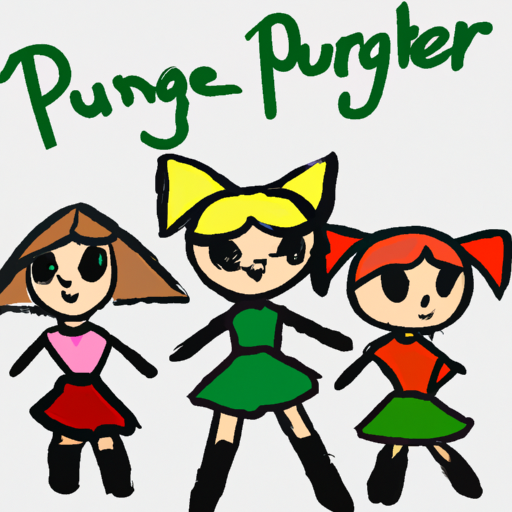
The visual style of "The Powerpuff Girls" is characterized by bright and bold colors, simple yet dynamic character designs, and a unique blend of traditional hand-drawn animation with digital techniques. The style, which originated in the late 1990s, became famous for its distinctive art direction and animation style, as well as its clever storytelling and witty humor. The combination of vibrant colors, clean lines, and exaggerated expressions gave the show a visually appealing and energetic look, making it a beloved cartoon of its time.

View StyleExplore Style
Example of visual style of Tom And Jerry

Tom And Jerry

Tom And Jerry is a classic cartoon visual style that was popularized by the animated series of the same name, which premiered in 1940. This style is characterized by its vibrant and exaggerated animation, featuring slapstick humor and high-energy antics of the titular characters. The visuals are known for their hand-drawn, colorful backgrounds and expressive character designs. The iconic series contributed to the Golden Age of American animation and continues to influence and entertain audiences of all ages.

View StyleExplore Style
Example of visual style of Trey Parker

Trey Parker

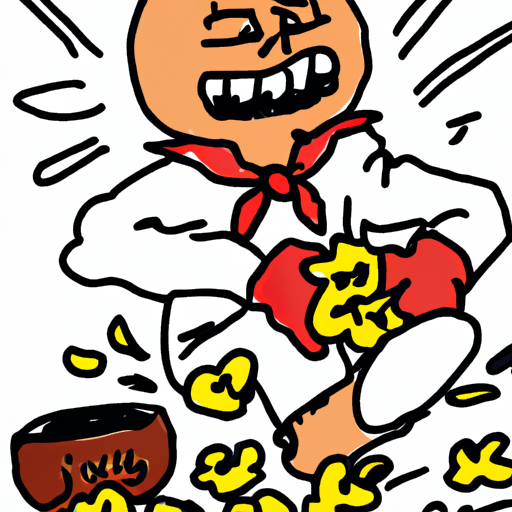
Trey Parker is a visual style that refers to the distinct animation style used in the creations of Trey Parker, an American animator, writer, director, and voice actor. Parker co-created the animated television show South Park, which premiered in 1997 and gained huge popularity for its sharp satirical humor and irreverent style. The visual style of Trey Parker is characterized by crude and simplistic animation, exaggerated facial expressions, and minimalistic designs. It often employs a combination of hand-drawn and computer-generated animations, with a focus on bright and bold colors. This style is known for its ability to push boundaries and address controversial topics through its unique visuals.

View StyleExplore Style
Example of visual style of Walt Disney Animation Studios

Walt Disney Animation Studios

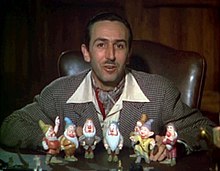
Walt Disney Animation Studios is known for its iconic and timeless animation style, which has captivated audiences since its inception in 1923. The studio pioneered the art of animated feature films with classics like Snow White and the Seven Dwarfs (1937), Cinderella (1950), and The Lion King (1994). The style is characterized by richly detailed and vibrant hand-drawn or computer-generated animation, bringing to life a diverse range of enchanting characters and fantastical worlds. Its combination of storytelling, music, and innovation has made Walt Disney Animation Studios a beloved and influential force in the animation industry.

View StyleExplore Style
Example of visual style of Yellow Submarine Film

Yellow Submarine Film

Yellow Submarine Film is a psychedelic animated style that gained popularity in the late 1960s. Created by Heinz Edelmann and used in the 1968 film 'Yellow Submarine', this style combines vibrant and surreal imagery with bold and trippy colors, distinctive hand-drawn characters, and fluid animation. The film's innovative use of animation techniques, such as rotoscoping and acid-inspired visuals, made it a groundbreaking work of art, emblematic of the countercultural movement of the time.

View StyleExplore Style
Example of visual style of Yichi Kotabe

Yichi Kotabe

Yichi Kotabe is a Japanese animator known for his distinctive visual style that emerged in the 1980s. His work became famous for its vibrant colors, detailed backgrounds, and expressive character designs. Kotabe's animation became instantly recognizable due to its delicate hand-drawn aesthetic and emphasis on fluid movements. His collaborations with renowned directors and studios, such as Hayao Miyazaki and Studio Ghibli, further contributed to the popularity of his unique style.

View StyleExplore Style
Example of visual style of Yusuke Nakano

Yusuke Nakano

Yusuke Nakano is a Japanese video game artist known for his distinctive style characterized by whimsical and detailed hand-drawn illustrations. He rose to fame in the late 1990s and early 2000s through his work as the lead character designer for the popular Nintendo video game series 'The Legend of Zelda'. Nakano's art is often praised for its vibrant colors, intricate details, and ability to capture the essence of fantastical worlds. His style became an iconic part of the Zelda series, contributing to its immense popularity and cult following.

View StyleExplore Style

Home