StylopediaStylopedia

Grotesque styles on Stylopedia

A visual encyclopedia of grotesque styles – use as prompt inspiration for Midjourney, Gemini, or ChatGPT AI when making grotesque images

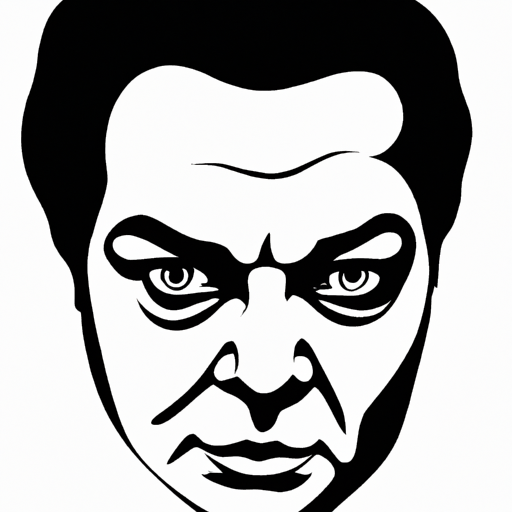
Example of visual style of Adrian Carmack

Adrian Carmack

Adrian Carmack is a visual style known for his dark and gruesome artwork. He rose to fame in the early 1990s as one of the co-founders of id Software, where he was responsible for the visual design of iconic video games such as Doom and Quake. Carmack's style is characterized by detailed and often grotesque imagery, featuring nightmarish creatures, blood, and gore. His work in video games revolutionized the first-person shooter genre and influenced many other artists and game designers. He continues to be recognized as a pioneer in the field of digital art.

View StyleExplore Style
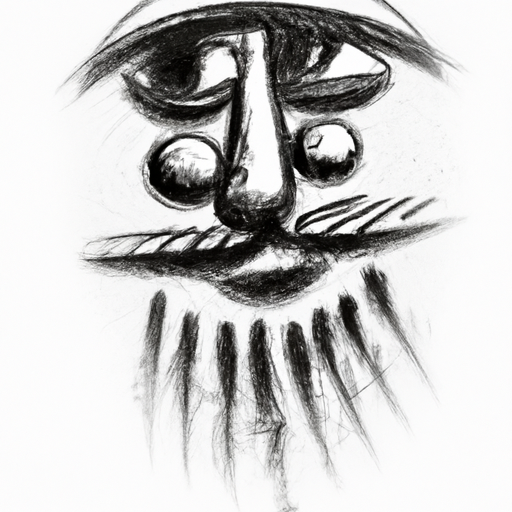
Example of visual style of Charles Burns

Charles Burns

The Charles Burns style is a unique blend of dark, surreal and grotesque imagery. Burns gained fame in the late 20th century through his distinctive black and white illustrations in comics and graphic novels. His work is characterized by its intricate linework, stark contrast, and distorted, often unsettling characters. Burns became particularly famous for his graphic novel series 'Black Hole', published from 1995 to 2005, which explored themes of adolescence, sexuality, and body horror.

View StyleExplore Style
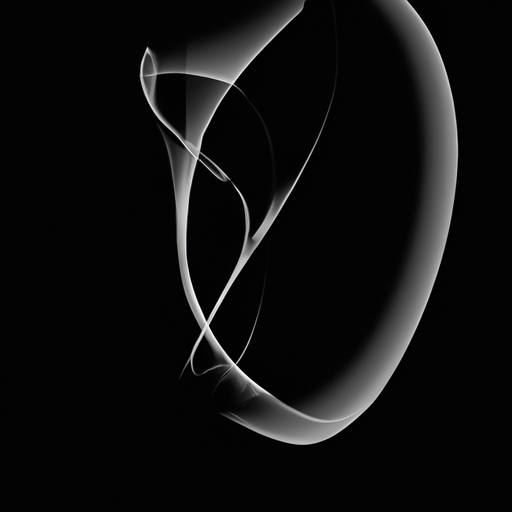
Example of visual style of Clive Barker

Clive Barker

The Clive Barker style can be described as dark, macabre, and fantastical. It emerged in the 1980s and gained fame through Barker's works as a writer, filmmaker, and visual artist. Known for his horror fiction, Barker created a unique and visually striking aesthetic that blends elements of fantasy, surrealism, and grotesque imagery. His vivid imagination and storytelling abilities made him a prominent figure in the horror genre. Barker's style often explores themes of sexuality, body horror, and the blurred lines between the real and the supernatural.

View StyleExplore Style
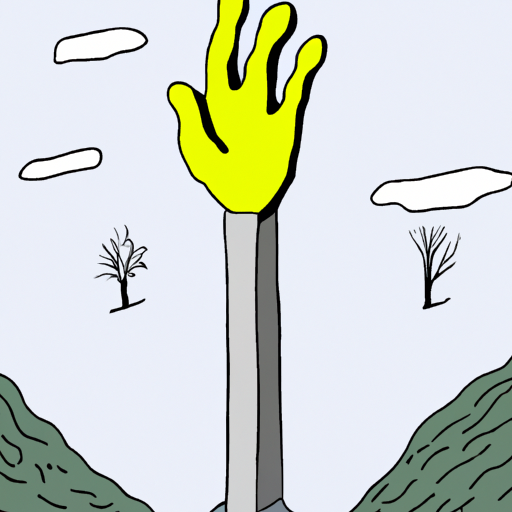
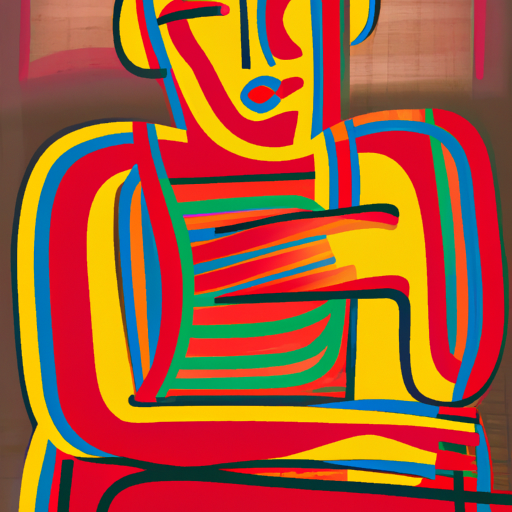
Example of visual style of Dark Art

Dark Art

Dark Art is a visual style characterized by its somber and macabre themes, often exploring the darker aspects of the human psyche. It emerged in the late 18th century and gained popularity in the 19th and 20th centuries. The style became famous for its use of gloomy color palettes, eerie lighting, and emphasis on the mysterious and grotesque. Dark Art encapsulates a wide range of artistic expressions, from Gothic literature and Romantic paintings to contemporary horror films and surrealist works.

View StyleExplore Style
Example of visual style of Dark Fantasy

Dark Fantasy

Dark Fantasy is a visual style characterized by its eerie and mysterious atmosphere, combining elements of fantasy and horror. It emerged in the late 18th century with the Gothic literature movement, gaining popularity in the 19th and early 20th centuries. Dark Fantasy is often associated with macabre and supernatural themes, featuring haunted landscapes, grotesque creatures, and dramatic lighting. Its fame grew through the works of authors like Edgar Allan Poe and artists like Hieronymus Bosch.

View StyleExplore Style
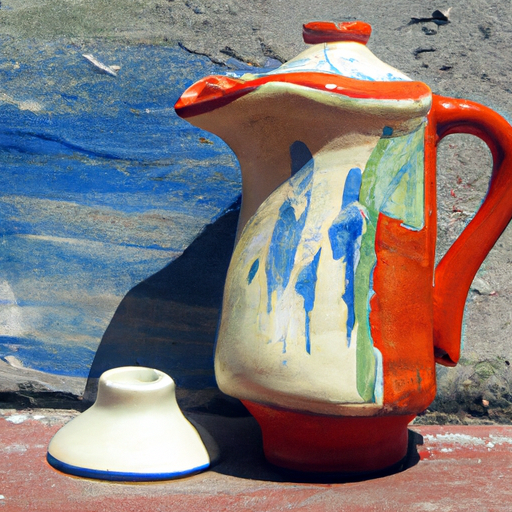
Example of visual style of Gothic Horror

Gothic Horror

Gothic Horror is a visual style that emerged in the late 18th and early 19th centuries. It became famous through literature and later extended to other art forms. This style is characterized by its macabre and gloomy atmosphere, combining elements of horror, suspense, and the supernatural. Gothic Horror often features eerie castles, dark forests, graveyards, and haunted mansions as settings. It explores themes of death, decay, madness, and the unknown, making use of dramatic lighting, exaggerated shadows, and grotesque or supernatural creatures. Prominent examples include Mary Shelley's 'Frankenstein' published in 1818 and Bram Stoker's 'Dracula' published in 1897.

View StyleExplore Style
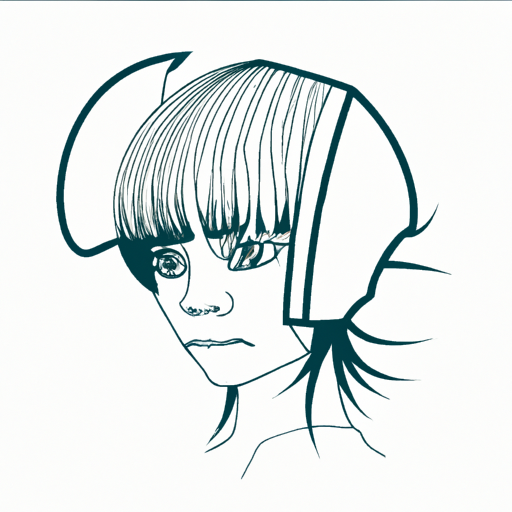
Example of visual style of Horror Fiction

Horror Fiction

Horror Fiction is a visual style that aims to depict fear, terror, and the supernatural in a captivating and unsettling manner. It gained popularity in the late 18th century with the emergence of Gothic literature, with influential works like Mary Shelley's 'Frankenstein' and Bram Stoker's 'Dracula'. This style became particularly famous during the 20th century with the rise of horror movies and iconic authors such as H.P. Lovecraft and Stephen King. Horror Fiction often employs dark and intense color palettes, dramatic lighting, grotesque and macabre imagery, and eerie atmospheres to evoke feelings of suspense and horror.

View StyleExplore Style
Example of visual style of Jan Svankmajer

Jan Svankmajer

Jan Svankmajer is a Czech filmmaker and artist known for his distinctive surrealist style. His work, which reached its peak in the 1960s and 1970s, is characterized by a unique blend of live-action and stop-motion animation, creating a dark and disturbing atmosphere. Svankmajer's genius lies in his ability to transform ordinary objects and materials, such as clay, into uncanny and grotesque forms, blurring the line between reality and fantasy. His exploration of the subconscious and the irrational has earned him international recognition and made him a key figure in the world of experimental cinema.

View StyleExplore Style
Example of visual style of Jan Švankmajer

Jan Švankmajer

Jan Švankmajer is a Czech filmmaker and artist known for his unique visual style that combines live-action and stop-motion animation. His work often explores dark and surreal themes, and is characterized by a gritty, visceral aesthetic. Švankmajer rose to prominence in the 1960s and 1970s with his short films and later gained international recognition with feature-length movies such as 'Alice' (1988) and 'Faust' (1994). His use of everyday objects and materials, as well as his focus on the subconscious and the grotesque, have made him famous in the world of animation and experimental film.

View StyleExplore Style
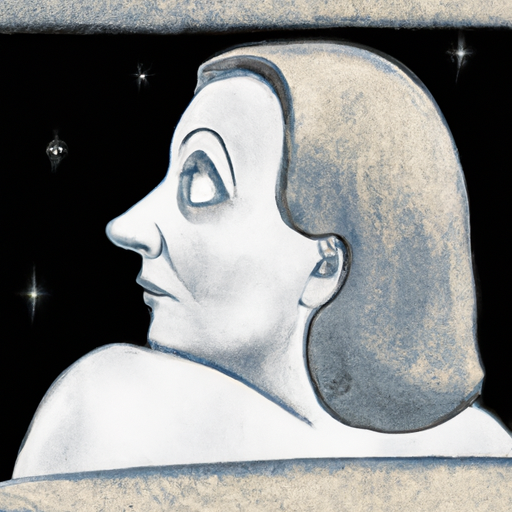
Example of visual style of Lon Chaney

Lon Chaney

Lon Chaney was an American actor and makeup artist who became famous for his transformative performances in silent horror films during the 1920s. His visual style was characterized by his ability to completely transform his appearance through the use of intricate makeup and prosthetics. Chaney's mastery of makeup allowed him to play a variety of grotesque and haunting characters, such as the Phantom in 'The Phantom of the Opera' (1925) and the Hunchback in 'The Hunchback of Notre Dame' (1923). His unique ability to convey complex emotions and evoke empathy for his characters made him one of the most influential actors of his time.

View StyleExplore Style
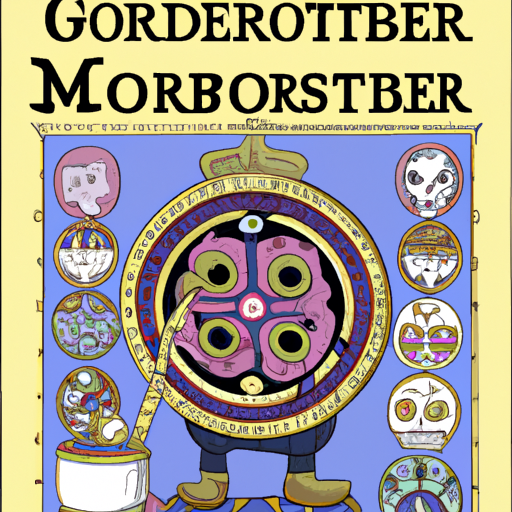
Example of visual style of Otto Dix

Otto Dix

Otto Dix was a German painter and printmaker who is known for his realistic and sometimes grotesque portrayal of society during the Weimar Republic period in Germany. Active from the 1910s to the 1960s, Dix's visual style is characterized by its sharp lines, exaggerated forms, and dark palette. He often depicted scenes of war, poverty, and the decadence of post-war society, capturing the disillusionment and decay of the time. Dix's work gained fame for its social criticism and provocative subject matter.

View StyleExplore Style
Example of visual style of S Clay Wilson

S Clay Wilson

S Clay Wilson is known for his distinctive and influential style in underground comix during the 1960s and 1970s. His work is characterized by highly detailed and grotesque imagery, often depicting scenes of violence, sex, and extreme countercultural themes. Wilson's style became famous for its dark and explicit content, with his drawings pushing the boundaries of what was considered acceptable in mainstream comics. Through his work, Wilson contributed to the growth and acceptance of alternative and underground comics as an art form.

View StyleExplore Style
Example of visual style of Satirical Illustration

Satirical Illustration

Satirical Illustration is a style of artwork that uses irony, sarcasm, and humor to criticize and mock various aspects of society. It gained popularity during the 18th century with the rise of political and social satire. The style became particularly famous in the 19th and 20th centuries through the works of artists like Honoré Daumier, James Gillray, and Thomas Nast. Satirical Illustration often employs exaggerated or grotesque imagery and witty captions to convey its satirical messages.

View StyleExplore Style
Example of visual style of The Ren Stimpy Show

The Ren Stimpy Show

The visual style of The Ren Stimpy Show can be described as grotesque, outrageous, and surreal. It became famous during its run from 1991 to 1996 for its exaggerated character designs, vivid and sometimes disturbing imagery, and its willingness to push the boundaries of what was considered appropriate for a children's cartoon. The show's creator, John Kricfalusi, drew inspiration from classic animation styles such as Golden Age cartoons and underground comics, infusing them with his own unique and often disturbing sensibilities.

View StyleExplore Style
Example of visual style of Weird Art

Weird Art

Weird Art is a visual style that emerged in the late 20th century and continues to be influential today. It is characterized by its unconventional, whimsical, and often surreal imagery. This style gained popularity in the 1990s with the rise of underground comics and alternative art movements. Artists like Salvador Dali and Hieronymus Bosch are considered pioneers of this style. Weird Art challenges traditional ideas of beauty and reality, incorporating strange, fantastical elements and exploring the subconscious. It often combines humor and absurdity with elements of horror and the grotesque. Taking inspiration from dreams, nightmares, and the absurdity of everyday life, Weird Art pushes the boundaries of artistic expression.

View StyleExplore Style
Home