StylopediaStylopedia

Grid-based styles on Stylopedia

A visual encyclopedia of grid-based styles – use as prompt inspiration for Midjourney, Gemini, or ChatGPT AI when making grid-based images

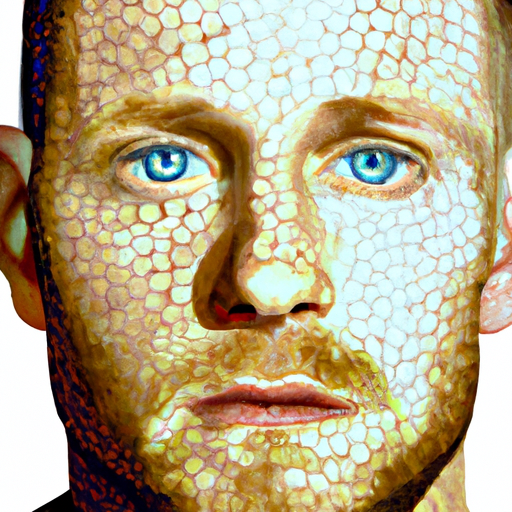
Example of visual style of Chuck Close

Chuck Close

Chuck Close is an American painter known for his photorealistic portraits. His style emerged in the late 1960s and gained significant recognition in the 1970s. Close became famous for his large-scale portraits, which are composed of grids of small cells. Each cell, often a square, contains a small section of the overall image. His meticulous rendering and attention to detail create highly detailed and lifelike depictions. Close's use of grid-based abstraction, combined with his innovative techniques, revolutionized the concept of portraiture.

View StyleExplore Style
Example of visual style of Josef Muller Brockmann

Josef Muller Brockmann

Josef Muller Brockmann was a Swiss graphic designer and pioneer of the International Typographic Style. He is best known for his clean, grid-based designs that combined typography, photography, and graphics. He rose to prominence in the 1950s and 1960s, during the peak of the Swiss graphic design movement. Brockmann's work became famous for its simplicity, precision, and clarity, using geometric forms, sans-serif fonts, and a limited color palette. His strong emphasis on visual communication and functional design was a key factor in shaping the International Typographic Style.

View StyleExplore Style
Example of visual style of Peter Schmidt

Peter Schmidt

Peter Schmidt was a British graphic designer known for his minimalist and grid-based visual style. He rose to fame in the 1960s and 1970s, a time when modernist design principles were highly influential. Schmidt's work became famous for its clean lines, geometric shapes, and use of negative space. He was a collaborator of the renowned artist Brian Eno and together they developed the 'Oblique Strategies', a deck of cards containing creative prompts that became an iconic tool for artists and designers. Schmidt's style became popular for its simplicity, clarity, and effective communication of ideas.

View StyleExplore Style
Example of visual style of Swiss Graphic Design

Swiss Graphic Design

Swiss Graphic Design emerged in the 1950s and became famous for its simplicity, precision, and strong emphasis on grid-based layouts and typography. It is characterized by clean, organized designs with a focus on readability and clear communication. The use of sans-serif typefaces, asymmetrical layouts, and high contrast colors are common in this style. Notable designers such as Josef Müller-Brockmann and Max Miedinger contributed to the development and popularity of Swiss Graphic Design.

View StyleExplore Style
Home