
StylopediaStylopedia

Graphic styles on Stylopedia

A visual encyclopedia of graphic styles – use as prompt inspiration for Midjourney, Gemini, or ChatGPT AI when making graphic images

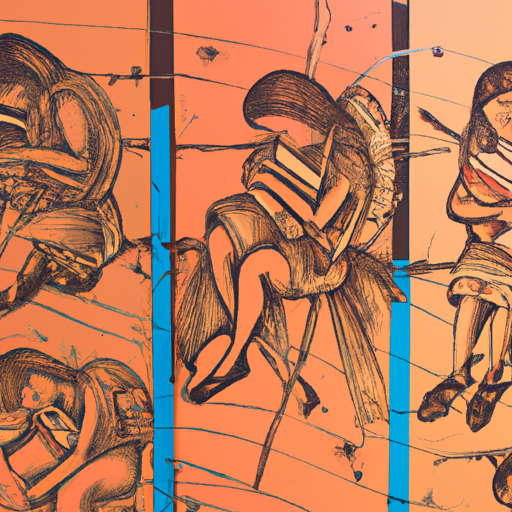
Example of visual style of Editorial Illustration

Editorial Illustration

Editorial Illustration is a style of illustration that is commonly used in newspapers, magazines, and online publications to accompany written articles or stories. It became especially popular in the late 19th and early 20th centuries with the rise of print media. Editorial illustrations are known for their ability to convey complex ideas or concepts in a single image, often using symbolism, humor, or satire. They are typically created in a bold and graphic style, with strong outlines, limited color palettes, and simplified forms. Editorial illustrations aim to catch the viewer's attention and make a strong visual impact, while effectively communicating the message of the accompanying text.

View StyleExplore Style
Example of visual style of Memphis Group

Memphis Group

The Memphis Group was an influential design collective founded in Milan, Italy in 1980 by Ettore Sottsass. This postmodern movement gained fame for its vibrant colors, bold geometric patterns, and playful, unconventional shapes. Known for its disregard of minimalist design principles, the Memphis Group embraced the use of clashing colors, asymmetrical compositions, and kitschy decorative elements. Their designs often incorporated materials like laminated plastic, terrazzo, and bold, graphic prints. The Memphis Group's distinctive style quickly garnered international attention and its impact can still be seen in contemporary design.

View StyleExplore Style
Example of visual style of Nathalie Du Pasquier

Nathalie Du Pasquier

Nathalie Du Pasquier is a visual artist and designer known for her bold and vibrant geometric compositions. Her style emerged in the 1980s as a prominent member of the Memphis Group, a design collective that revolutionized the field of interior design. Du Pasquier's work is characterized by the juxtaposition of bold colors and graphic patterns, creating a dynamic and playful aesthetic. Her compositions often feature abstract shapes and objects, evoking a sense of architectural and spatial exploration. Through her unique visual language, Du Pasquier has made a significant impact on the world of design and continues to inspire contemporary artists and designers.

View StyleExplore Style
Example of visual style of Neo Pop

Neo Pop

Neo Pop is a visual style that emerged in the late 20th century and gained popularity in the 1980s. It is a continuation of the Pop Art movement with a contemporary twist. This style is characterized by bright and vibrant colors, bold and graphic imagery, and a fusion of popular culture references. Neo Pop became famous for its incorporation of elements from popular media, consumerism, and advertising. It often criticizes the mass-produced nature of modern society while celebrating the icons and symbols of popular culture. Some important years for Neo Pop include the 1980s and 1990s when it gained mainstream recognition and influenced various artistic fields such as painting, sculpture, and design.

View StyleExplore Style
Example of visual style of Supreme

Supreme

Supreme is a visual style that emerged in the early 1990s and became famous for its distinctive branding and streetwear aesthetic. It is characterized by bold and graphic designs, often incorporating text and images from popular culture. Supreme gained popularity through its limited-edition drops and collaborations with artists and designers, which created a sense of exclusivity and hype. The style is associated with urban street culture and has become an iconic symbol of cool and authenticity.

View StyleExplore Style
Example of visual style of Tyrannosaurus Rex

Tyrannosaurus Rex

Tyrannosaurus Rex is a bold and aggressive visual style that emerged in the 1970s. Inspired by the power and dominance of the Tyrannosaurus rex dinosaur, this style gained popularity for its raw energy and dynamic compositions. The style is characterized by strong graphic elements, vibrant and contrasting colors, and a sense of movement. It became famous for its use in album covers, concert posters, and book illustrations, capturing the rebellious spirit of the era.

View StyleExplore Style

Example of visual style of Uncle Sam Illustrations

Uncle Sam Illustrations

Uncle Sam Illustrations is a patriotic style of illustration associated with the United States. It became famous during the early 20th century, particularly during World War I and World War II. This style is characterized by a bold and graphic approach, often featuring an iconic representation of Uncle Sam, a personification of the American government. Uncle Sam is depicted as a tall, slender man with a white goatee, dressed in a red, white, and blue attire, and pointing directly at the viewer. The illustrations often convey a message of urgency, patriotism, and unity.

View StyleExplore Style
Home