StylopediaStylopedia

Grandiose styles on Stylopedia

A visual encyclopedia of grandiose styles – use as prompt inspiration for Midjourney, Gemini, or ChatGPT AI when making grandiose images

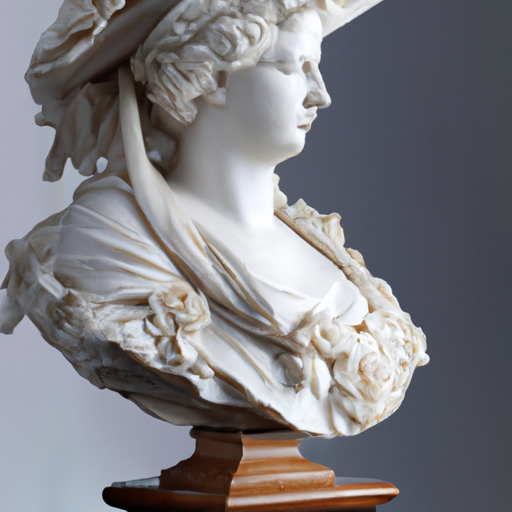
Example of visual style of Baroque Style

Baroque Style

Baroque style was a highly ornate and extravagant artistic style that emerged in Europe around the late 16th century and lasted until the mid-18th century. It is characterized by dramatic and grandiose forms, rich ornamentation, curved lines, and a sense of motion. Baroque architecture and art were known for their emotional intensity and theatricality. This style became famous for its opulence and splendor, as well as its ability to evoke strong emotions in viewers.

View StyleExplore Style
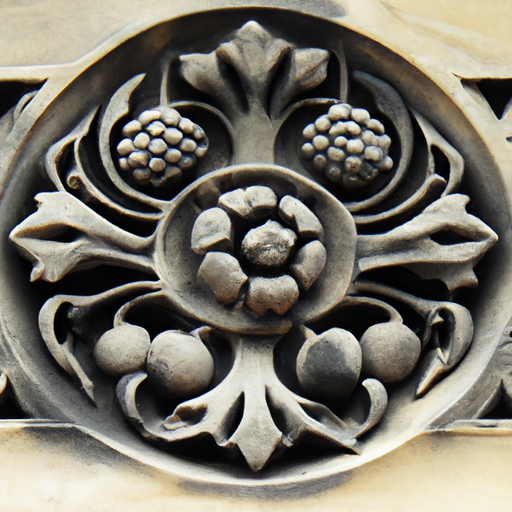
Example of visual style of Beaux Arts Architecture

Beaux Arts Architecture

Beaux Arts Architecture, also known as Ecole des Beaux-Arts style, was prevalent in the late 19th and early 20th centuries. It originated in France and became famous for its grandiose and ornate designs. This style emphasized classical forms, symmetry, and the use of lavish decorations. Beaux Arts architecture is characterized by its monumental facades, elaborate detailing, and grand public buildings such as museums, train stations, and government institutions.

View StyleExplore Style
Example of visual style of Beaux Arts Movement

Beaux Arts Movement

Beaux Arts Movement was a late 19th and early 20th-century architectural and artistic style that was famous for its grandiose and elaborate designs. It originated in France in the 19th century and spread to other parts of Europe and North America. This style was influential in the design of public buildings, particularly in the United States, and was characterized by a classical aesthetic, intricate ornamentation, and a sense of grandeur. It emphasized symmetry, proportion, and the use of classical architectural elements such as columns, domes, and arches.

View StyleExplore Style
Example of visual style of Carrere And Hastings

Carrere And Hastings

Carrere And Hastings was a Beaux-Arts architectural firm founded in 1885 by John Merven Carrere and Thomas Hastings. They gained fame for their opulent and grandiose designs during the late 19th and early 20th centuries. Their architectural style embodied the Beaux-Arts movement, characterized by classical influences, symmetry, ornate detailing, and a sense of grandeur. Carrere And Hastings' designs were particularly prominent during the Gilded Age, with notable projects including the New York Public Library and the Standard Oil Building in New York City.

View StyleExplore Style
Example of visual style of Hans Zimmer Studios

Hans Zimmer Studios

Hans Zimmer Studios is a visual style characterized by its epic, grandiose, and immersive designs. Influenced heavily by the film scores composed by Hans Zimmer, this style became famous in the late 1980s and has since been widely recognized for its ability to evoke powerful emotions through visuals. With a focus on capturing the essence of larger-than-life moments, Hans Zimmer Studios has become a go-to choice for blockbuster films and large-scale productions.

View StyleExplore Style
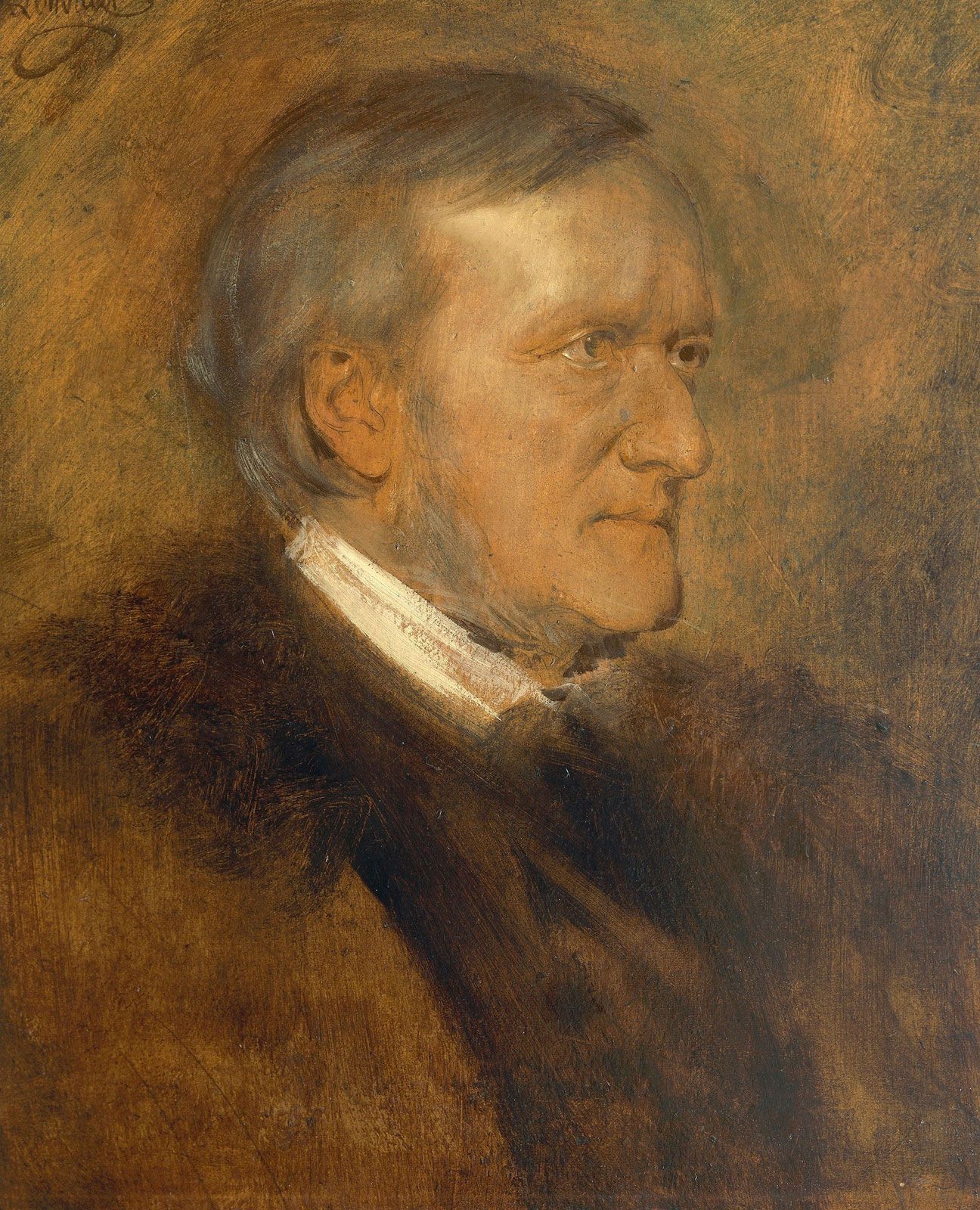
Example of visual style of Luchino Visconti

Luchino Visconti

Luchino Visconti's visual style is characterized by its rich and grandiose aesthetic. From the 1940s to the 1970s, Visconti gained fame for his opulent and detailed production designs, elegant costuming, and meticulous attention to period accuracy. His style often showcased a sense of decadence and grandeur, making use of lavish sets and costumes to transport audiences to different historical eras. Visconti's visual style became particularly famous for its exquisite recreations of aristocratic settings, bringing the past to life on screen with remarkable detail and authenticity.

View StyleExplore Style
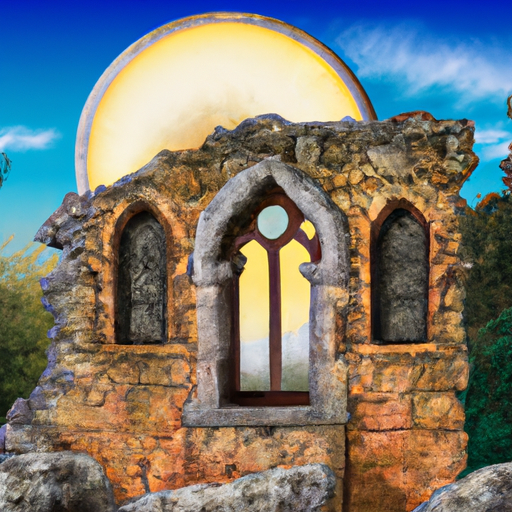
Example of visual style of Neo Gothic

Neo Gothic

Neo Gothic is a visual style that emerged in the late 19th century and reached its peak in popularity during the late Victorian and Edwardian eras (1880-1910). It is a revival and reinterpretation of the original Gothic style that was prominent in the medieval period. Neo Gothic became famous for its use of intricate ornamental details, pointed arches, steep gables, and grandiose proportions. The architectural movement of Gothic Revival in the mid-18th century laid the foundation for the Neo Gothic style, but it was further popularized through the works of influential architects, such as Augustus Pugin and Charles Barry, who designed iconic structures like the British Houses of Parliament, commonly known as the 'Big Ben' clock tower. The Neo Gothic style represents a nostalgic fascination with the medieval past and continues to remain influential in designing churches, cathedrals, and other significant structures.

View StyleExplore Style

Example of visual style of Versailles

Versailles

Versailles, also known as the Louis XIV style, is a visual style that emerged in the 17th century and reached its peak during the reign of King Louis XIV of France. This opulent and grandiose style is characterized by its lavishness, ornate details, and a focus on symmetry. It became famous for its extravagant palaces and gardens, such as the Palace of Versailles, which served as the epitome of the style. Versailles style represents the absolute monarchy and the power of the French nobility during this period.

View StyleExplore Style
Example of visual style of Victorian Architecture

Victorian Architecture

Victorian Architecture emerged in the United Kingdom during the reign of Queen Victoria, from 1837 to 1901. It is characterized by intricate details, ornate decoration, and a mixture of different architectural styles. This style became famous for its grandiose and lavish designs, influenced by Gothic Revival, Neoclassical, and Renaissance styles. The Victorian era marked a period of technological advancements in construction, allowing for the creation of elaborate facades, intricate carvings, and the use of new materials such as cast iron. The style is known for its asymmetry, steep roofs, pointed arches, and decorative elements like stained glass windows, intricate woodwork, and ornamental ironwork.

View StyleExplore Style

Home