StylopediaStylopedia

Grace styles on Stylopedia

A visual encyclopedia of grace styles – use as prompt inspiration for Midjourney, Gemini, or ChatGPT AI when making grace images

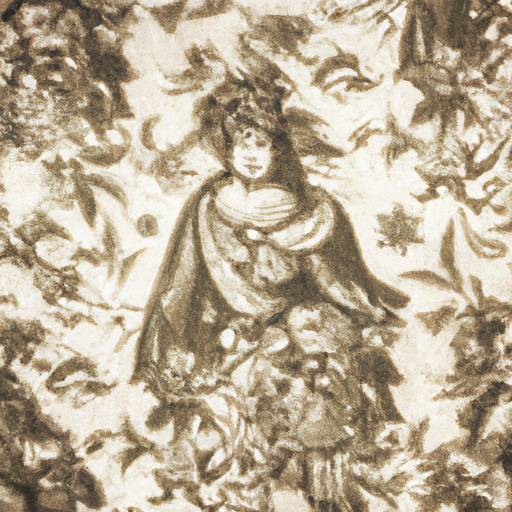
Example of visual style of Bertel Thorvaldsen

Bertel Thorvaldsen

Bertel Thorvaldsen was a Danish sculptor who achieved great fame in the early 19th century. His visual style is characterized by neoclassical aesthetics with a focus on idealized forms and classical themes. He gained recognition for his ability to capture the beauty and grace of the human figure, drawing inspiration from ancient Greek and Roman art. His works often portrayed mythological figures, historical figures, and religious subjects. Thorvaldsen's sculptures are known for their meticulous attention to detail, harmonious proportions, and elegant compositions.

View StyleExplore Style

Example of visual style of Disney Princesses

Disney Princesses

Disney Princesses is a visual style that became famous through the iconic animated films produced by Walt Disney Animation Studios. It emerged in the 1930s with the release of Snow White and the Seven Dwarfs, the first-ever full-length animated feature. This style is characterized by vibrant and colorful visuals, with an emphasis on beauty, grace, and fantasy. The Disney Princesses style evolved over the years, incorporating different artistic techniques and cultural influences. It gained widespread popularity and recognition with films like Cinderella, Sleeping Beauty, The Little Mermaid, Beauty and the Beast, and many others.

View StyleExplore Style
Example of visual style of Kitagawa Utamaro

Kitagawa Utamaro

Kitagawa Utamaro was a Japanese ukiyo-e woodblock print artist who was active during the late 18th century. He is known for his exquisite portrayal of beautiful women, especially geishas and courtesans. Utamaro's prints became famous for their delicate lines, intricate patterns, and vibrant colors, which captured the grace, charm, and eroticism of the subjects. He rose to prominence during the Edo period and his distinct style marked a shift towards more intimate and sensual portraits of women.

View StyleExplore Style
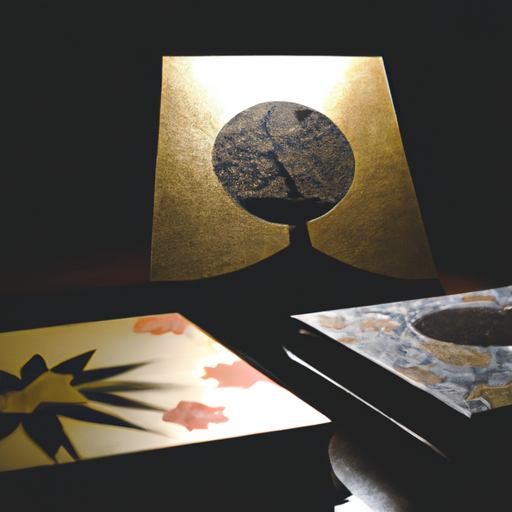
Example of visual style of Tawaraya Statu

Tawaraya Statu

Tawaraya Statu is a traditional Japanese painting style that emerged during the Heian period (794-1185). It is famous for its intricate and detailed representation of court nobles and aristocrats. The style became popular in the 11th century and was associated with the Tawaraya family, a renowned group of court painters. Tawaraya Statu is characterized by its delicate brushwork, vibrant colors, and exquisite attention to detail, capturing the elegance and grace of the aristocracy. The style flourished during the peak of Heian culture, reflecting the refined aesthetics and social hierarchy of the time.

View StyleExplore Style
Example of visual style of William Rutherford Mead

William Rutherford Mead

William Rutherford Mead was a prominent American architect in the late 19th and early 20th centuries. He is best known as one of the founding partners of McKim, Mead & White, a renowned architectural firm that shaped the Beaux-Arts and Colonial Revival styles. Mead's work became famous during the years 1879-1915. He contributed to the popularization of the Beaux-Arts style in the United States, characterized by grandeur, ornamentation, and classical influences. Mead's designs often featured elaborate detailing, symmetrical facades, and a sense of grace and elegance.

View StyleExplore Style
Home