
Book Of Hours
Book of Hours is a medieval illuminated manuscript style originating in the 13th century, known for its intricate miniature illustrations, rich colors, and gold leaf embellishments.
View StyleExplore Style Stylopedia
A visual encyclopedia of gold leaf styles – use as prompt inspiration for Midjourney, Gemini, or ChatGPT AI when making gold leaf images
Book of Hours is a medieval illuminated manuscript style originating in the 13th century, known for its intricate miniature illustrations, rich colors, and gold leaf embellishments.
View StyleExplore Style
Bundi Painting is a style of traditional Indian miniature painting originating from the region of Bundi in Rajasthan. Known for its vibrant colors, intricate detailing, and use of gold and silver leaf, this style became popular during the 17th and 18th centuries.
View StyleExplore Style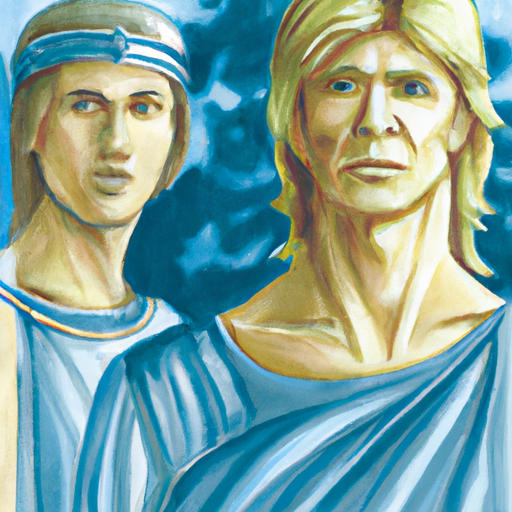
Dionisius was an Eastern Orthodox religious painter working in Novgorod and Moscow, Russia during the 15th century. His style is known for its use of vibrant colors, intricate patterns, and gold leaf accents, creating rich and elaborate religious icons that became famous for their spiritual intensity.
View StyleExplore Style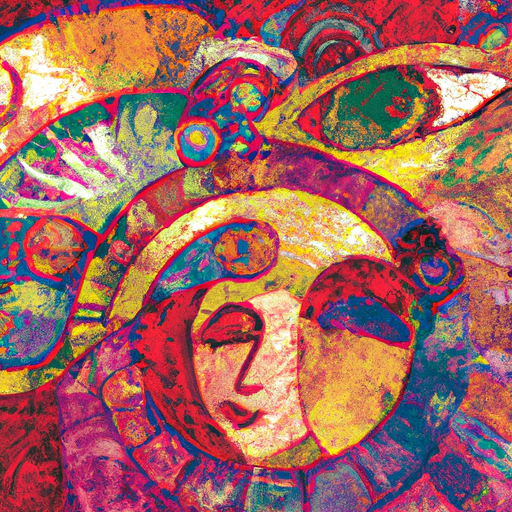
Gustav Klimt was an Austrian symbolist painter and one of the most prominent members of the Vienna Secession movement. Active between the late 19th and early 20th centuries, Klimt's art is characterized by its decorative and sensual aesthetic. He is widely known for his use of intricate patterns, rich colors, and gold leaf. Klimt's works often highlight the female form, depicting women in ornate garments and elaborate backgrounds. His art is renowned for its sensuality, symbolism, and decorative details.
View StyleExplore Style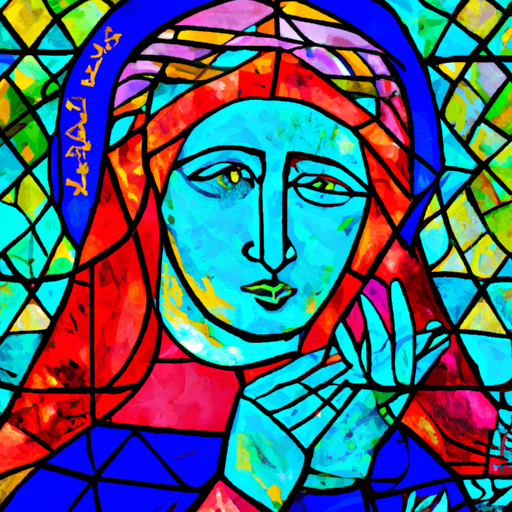
Hildegard of Bingen was a 12th-century German mystic, composer, and writer who is renowned for her illuminated manuscripts. Her visual style was characterized by intricate and detailed illustrations, vibrant colors, and a harmonious blend of organic and geometric forms. Hildegard's famous works include 'Scivias' and 'Liber Divinorum Operum', which showcased her visionary experiences and theological teachings through stunning artwork. Her use of gold leaf, natural motifs, and ethereal figures became iconic in the medieval period and continue to influence artists today.
View StyleExplore Style
Illuminated Manuscripts were richly decorated handwritten books created during the Medieval period primarily in Europe, known for their intricate detail, vibrant colors, and use of gold leaf. They were popular between the 5th and 16th centuries.
View StyleExplore Style
Manuscript Illumination is the decorative hand-lettering and embellishment of handwritten texts, particularly during the Middle Ages. This style became famous for its intricate details, vibrant colors, and gold leaf accents.
View StyleExplore Style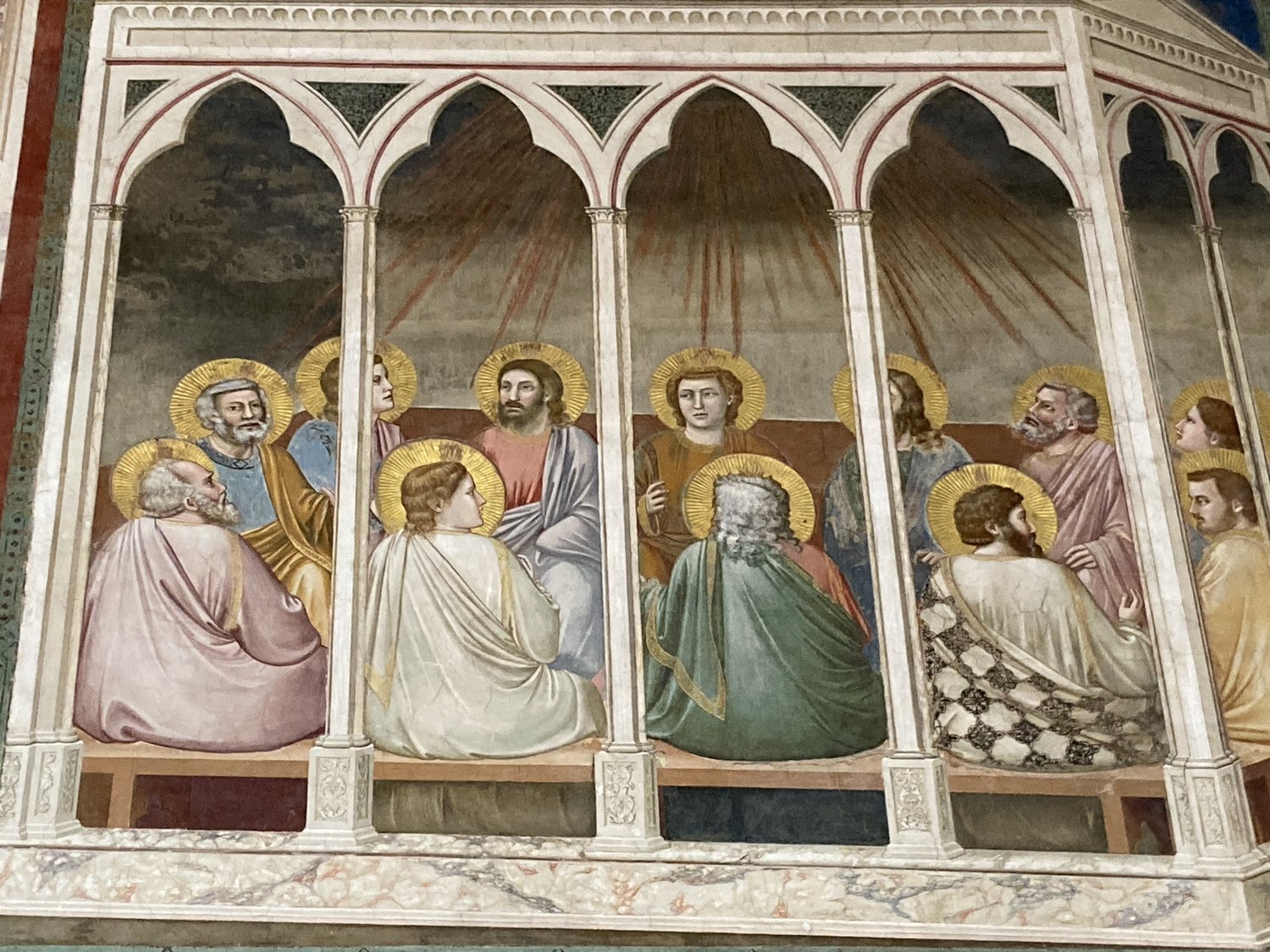
Medieval Italian Painting emerged in Italy during the Middle Ages, characterized by religious themes, rich colors, gold leaf accents, and intricate detailing. Prominent from the 11th to 14th centuries, this style was famous for its dramatic compositions and emphasis on spiritual symbolism.
View StyleExplore Style
Medieval Manuscript Illumination refers to the decorative and ornate style of illustrating handwritten manuscripts during the Middle Ages, particularly from the 6th to the 16th century. This style became famous for its intricate and highly detailed illustrations that adorned religious texts, historical manuscripts, and literary works. The illuminations often depicted religious scenes, saints, mythical creatures, and intricate borders, all meticulously hand-painted with vibrant colors and adorned with gold leaf. The artistry and craftsmanship of these illuminations were highly valued, symbolizing the religious devotion and wealth of the patron. The craftsmanship of Medieval Manuscript Illumination remains an important artistic heritage of the Middle Ages.
View StyleExplore Style
Mukund Dev is a style of Indian miniature painting that emerged in the 17th century. Known for intricate details, vivid colors, and use of gold leaf, this style gained fame through its depiction of mythological and historical scenes.
View StyleExplore Style
Ogata Korin (1658–1716) was a celebrated Japanese painter, lacquerer and designer of the Rinpa school. Known for his bold, dynamic compositions, vibrant colors, and use of gold leaf, his works are considered masterpieces of Japanese art.
View StyleExplore Style
Palekh Miniature Painting is a traditional Russian style of miniature painting on lacquer boxes. Originating in the village of Palekh in the early 20th century, it is known for intricate designs, bright colors, and use of gold leaf.
View StyleExplore Style
Rimpa Style is a Japanese decorative style that emerged in the early 17th century, known for its vibrant colors, bold patterns, and use of gold leaf. The style gained fame for its unique blend of traditional Japanese aesthetics with innovative techniques.
View StyleExplore Style
Rinpa is a Japanese visual style that flourished in the late 16th century and 17th century. It gained popularity during the Edo period and is known for its elegant and decorative motifs. Rinpa is characterized by its use of vibrant colors, flowing brushstrokes, and luxurious gold and silver leaf accents. This style became famous for its incorporation of natural elements such as flowers, birds, and landscapes, as well as its emphasis on asymmetry and dynamic compositions.
View StyleExplore Style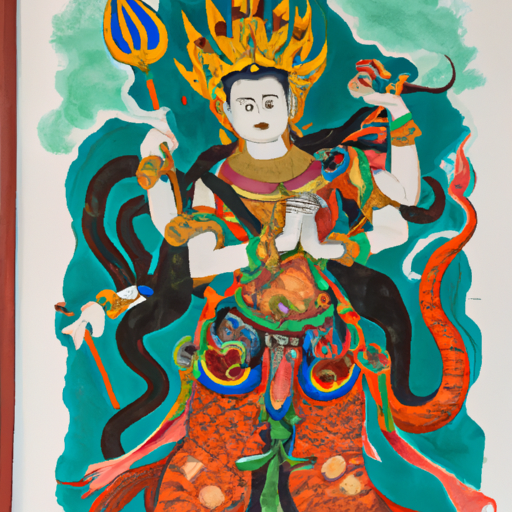
The Rinpa School is a traditional Japanese art style that flourished from the 17th to the 19th century. It became famous for its intricate and vibrant depictions of nature, often featuring gold leaf backgrounds and highly detailed patterns. The style originated in Kyoto and was influenced by courtly aesthetics, Chinese painting techniques, and traditional Japanese crafts. Rinpa School artworks often portrayed scenes of flowers, birds, and landscapes, capturing the essence of Japan's natural beauty.
View StyleExplore Style
Russian Icon Painting is a distinctive and highly revered style of religious painting that emerged in Russia during the Byzantine period and reached its peak during the 15th and 16th centuries. These icons are deeply rooted in the Eastern Orthodox Christian tradition and are characterized by their spiritual and mystical quality. The use of rich colors, intricate detailing, and gold leaf embellishments are important features of this style. Russian Icon Painting is famous for its portrayal of religious figures and scenes, including saints, biblical stories, and the Virgin Mary. This art form served as a primary tool for religious instruction, meditation, and spiritual devotion.
View StyleExplore Style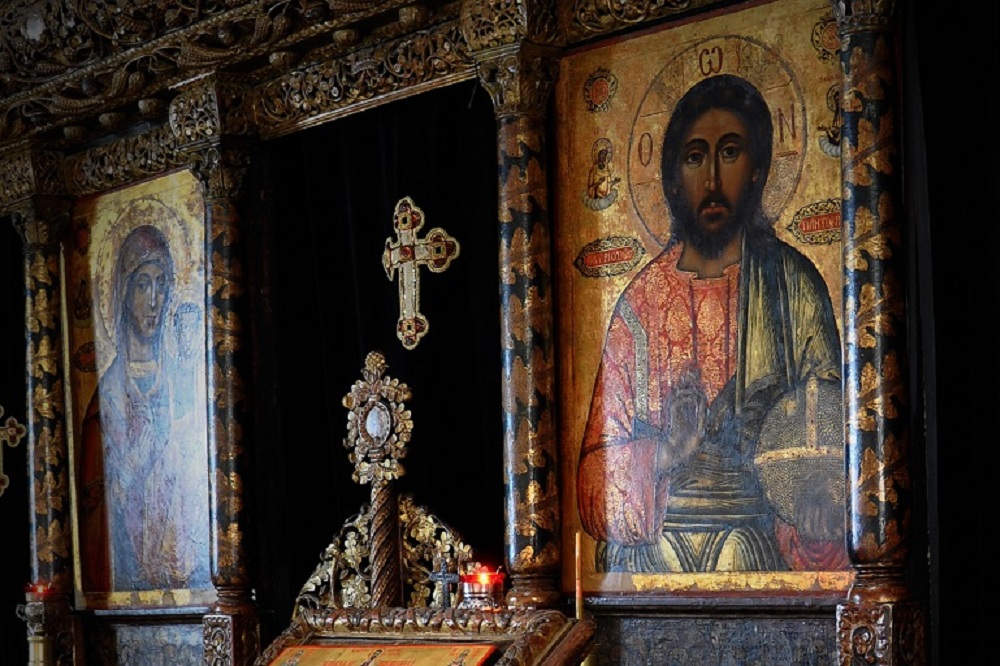
Russian Religious Iconography is a style of religious art that originated in Russia in the 10th century. Known for its richly colored images of saints and other religious figures, typically painted on wood panels and adorned with gold leaf.
View StyleExplore Style
Suzuki Kiitsu was a Japanese Rinpa painter known for his bold and colorful depictions of nature and traditional Japanese motifs. Active during the Edo period in the early to mid-19th century, Kiitsu's work is characterized by its use of gold leaf and intricate detailing.
View StyleExplore Style
Tawaraya Family is a traditional Japanese visual style that emerged in the 17th century. It is characterized by its highly detailed and vibrant artwork, often featuring scenes from nature, mythology, and everyday life. The Tawaraya Family, consisting of several generations of artists, became famous for their exquisite hand-painted folding screens, known as byōbu. These screens were adorned with intricate patterns, lavish gold leaf, and delicate brushwork, showcasing the family's exceptional craftsmanship and attention to detail.
View StyleExplore Style
Tosa School refers to a distinctive style of Japanese painting that emerged in the late 14th century and continued to flourish until the early 19th century. This style originated in the Tosa Province, present-day Kochi Prefecture, and gained recognition during the Muromachi period (1336–1573). Tosa School paintings were primarily influenced by the yamato-e genre, known for its colorful and narrative representations of Japanese history, legends, courtly life, and classic literature. The Tosa School became famous for its refined and delicate depictions, with intricate details, elegant brushwork, and the use of gold leaf, creating a sense of luxury and sophistication.
View StyleExplore Style