
Babylonian Art
Babylonian Art flourished in ancient Mesopotamia from 1900-539 BCE. Known for intricate carvings, depictions of gods, and narrative storytelling on clay tablets.
View StyleExplore Style Stylopedia
A visual encyclopedia of gods styles – use as prompt inspiration for Midjourney, Gemini, or ChatGPT AI when making gods images
Babylonian Art flourished in ancient Mesopotamia from 1900-539 BCE. Known for intricate carvings, depictions of gods, and narrative storytelling on clay tablets.
View StyleExplore Style
Egyptian Architecture is characterized by massive stone structures, with columns and pylons often decorated with intricate hieroglyphics and images of gods and pharaohs. This style flourished from around 3100 BC to 30 BC, known for its grandeur and symbolic representations of power and religion.
View StyleExplore Style
Greek Mythology is a visual style that emerged in Ancient Greece around the 8th century BCE and continued to influence art for centuries. It is known for its depiction of gods, goddesses, heroes, and mythical creatures from Greek mythology. This style became famous for its idealized and balanced compositions, intricate detail, and portrayal of divine figures with idealized human bodies.
View StyleExplore Style
Japanese Folklore Art is a visual style that emerged in Japan during the Edo period (1603-1868) and remained popular throughout the Meiji period (1868-1912). It is famous for depicting mythical creatures, gods, and legendary stories from Japanese folklore. The art style gained recognition for its intricate details, vibrant colors, and stylized depictions of supernatural beings. Artists often drew inspiration from ancient legends and traditional tales, creating visually captivating and culturally significant artworks.
View StyleExplore Style
Mayan pottery is known for its intricate designs and vibrant colors. This style emerged in Mesoamerica around 1800 BC and is famous for its depictions of gods, animals, and geometric patterns.
View StyleExplore Style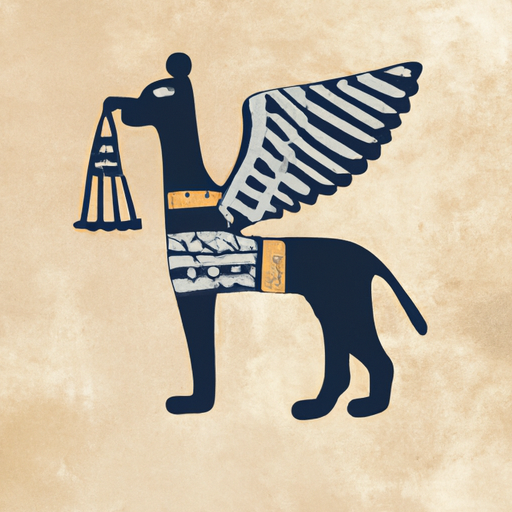
Mythological Art is a visual style that emerged in ancient civilizations and later reemerged during the Renaissance and Neoclassical periods. It depicts mythological themes and figures from various cultures, including Greek, Roman, Egyptian, and Norse mythologies. Notable years for this style include the ancient Greek and Roman periods, as well as the revival during the 15th to 19th centuries. Mythological Art became famous for its intricate detailing, vibrant colors, and grandiose compositions. It often portrays gods, goddesses, heroes, and supernatural creatures, showcasing epic narratives and symbolic representations.
View StyleExplore Style
Pharaohs is a visual style from ancient Egypt characterized by elaborate, colorful hieroglyphics, intricate jewelry, and detailed depictions of gods and pharaohs. This style became famous during the Old Kingdom (2686-2181 BC) and is still celebrated today for its rich symbolism and opulence.
View StyleExplore Style
The Pottery of Exekias is a black-figure pottery style that emerged in ancient Greece during the Archaic period, flourishing from approximately 550 to 525 BCE. Exekias, an influential potter and painter, perfected this style with his exceptional skill and artistic vision. The style gained fame for its distinctive large, bold compositions and highly detailed black figures against the reddish-orange background. Exekias' pottery pieces often depicted mythological scenes, particularly those associated with heroes and gods. The striking combination of dramatic imagery, meticulous craftsmanship, and stylistic innovation made the Pottery of Exekias highly renowned in Greek art history.
View StyleExplore Style
The Ramesses II visual style is characterized by grandiose and larger-than-life depictions of Egyptian pharaohs and gods. This style flourished during the 19th Dynasty in ancient Egypt, showcasing intricate hieroglyphics, vibrant colors, and detailed carvings on massive statues and temple walls.
View StyleExplore Style
Sumerian art flourished in ancient Mesopotamia from around 4000 BCE to 2000 BCE. Known for its intricate carvings in stone and clay, this style is famous for its depictions of gods, rulers, and daily life.
View StyleExplore Style