StylopediaStylopedia

Glass styles on Stylopedia

A visual encyclopedia of glass styles – use as prompt inspiration for Midjourney, Gemini, or ChatGPT AI when making glass images

Example of visual style of Art Deco

Art Deco

Art Deco is a visual style that emerged in the 1920s and 1930s, reaching its peak popularity in the 1920s. It is characterized by geometric shapes, clean lines, and bold colors. Art Deco became famous for its elegant and luxurious aesthetics, inspired by modern technology and the industrialization of the time. It combined traditional craftsmanship with the use of modern materials, such as chrome, glass, and lacquer. The style was often associated with wealth, glamour, and luxury, and it was seen in architecture, interior design, fashion, and visual arts.

View StyleExplore Style
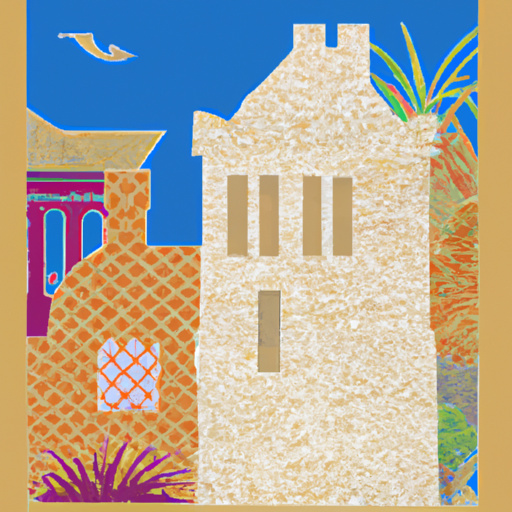
Example of visual style of Charles Rennie Mackintosh

Charles Rennie Mackintosh

Charles Rennie Mackintosh was a Scottish architect, artist, and designer who was active in the late 19th and early 20th centuries. He is well-known for his unique and influential style that combined elements of Art Nouveau and Japanese design with Scottish architecture. Mackintosh's style became famous for its emphasis on simplicity, geometric forms, and incorporation of natural motifs. His works, which included buildings, furniture, and decorative objects, were highly innovative and often featured clean lines, floral patterns, and the use of materials such as glass and iron. Mackintosh's designs had a lasting impact and helped shape the development of modern architecture and design.

View StyleExplore Style
Example of visual style of Finnish Design

Finnish Design

Finnish Design refers to the design aesthetic that emerged in Finland during the mid-20th century and gained international recognition. Characterized by simplicity, functionality, and timeless elegance, Finnish Design became famous for its clean lines, minimalism, and high-quality craftsmanship. It gained prominence in the 1950s and 1960s when Finnish designers like Alvar Aalto, Tapio Wirkkala, and Marimekko revolutionized the field. Emphasizing the use of local materials, such as birch wood and glass, Finnish Design has had a lasting impact on modern design principles.

View StyleExplore Style
Example of visual style of Hector Guimard

Hector Guimard

Hector Guimard was a prominent French architect and designer, best known for his influential Art Nouveau style during the late 19th and early 20th centuries. His style, characterized by organic and curvilinear forms, was especially prominent in his architectural designs, such as the Paris Metro entrances. Guimard combined elements of nature, such as plants and insects, with innovative use of materials like cast iron and glass. His designs were revolutionary at the time and became iconic symbols of the Art Nouveau movement, representing the blending of art and architecture in a harmonious and decorative manner.

View StyleExplore Style
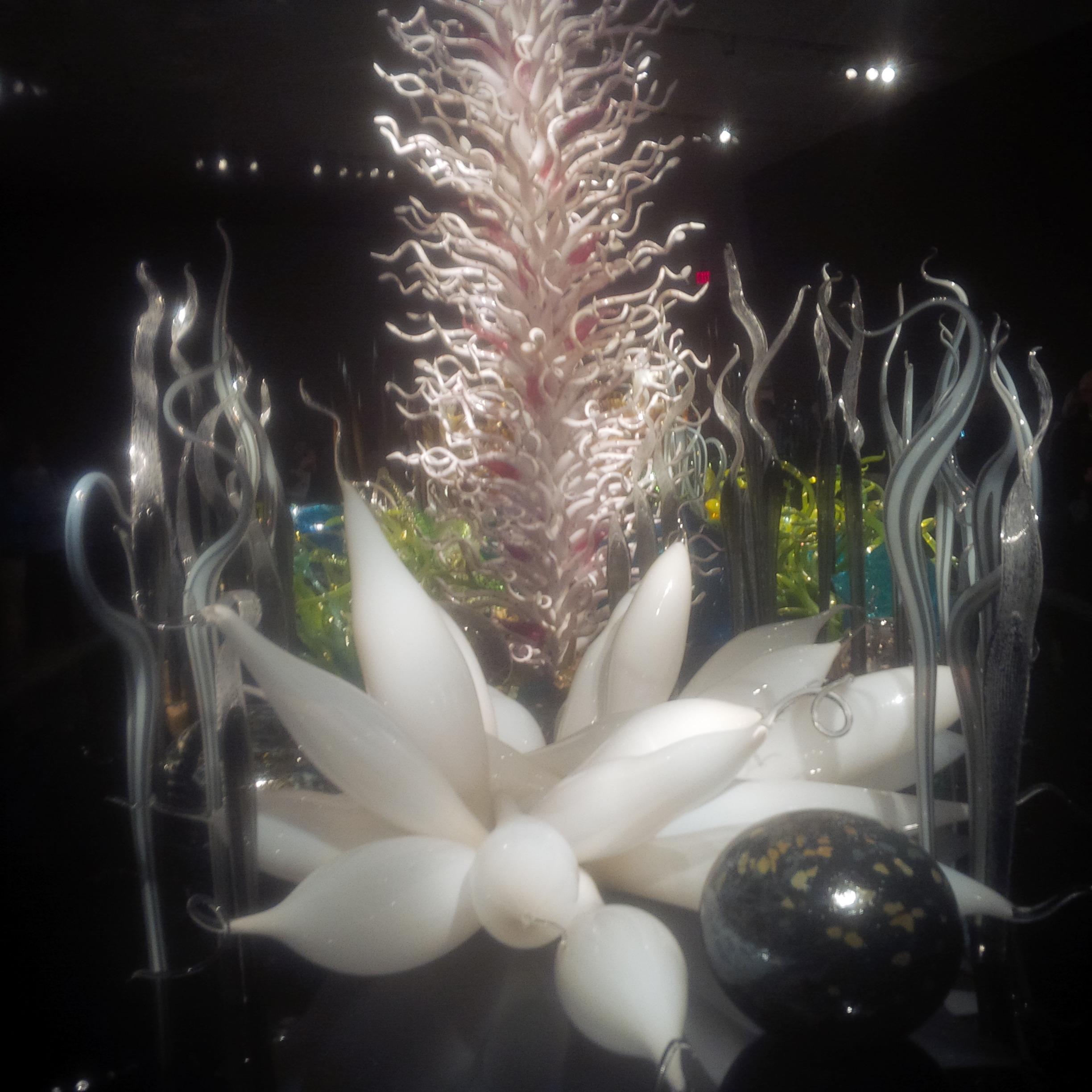
Example of visual style of Larry Bell

Larry Bell

Larry Bell is an American artist known for his minimalist style and innovative use of glass. He rose to prominence in the 1960s with his series of cube sculptures made of transparent glass. These sculptures incorporated reflective surfaces that created a play of light and space, giving an illusion of depth. Bell's work became famous for its ability to challenge perception and explore the relationship between object and viewer. His minimalist approach and emphasis on simplicity and geometric forms made him a key figure in the Light and Space movement.

View StyleExplore Style

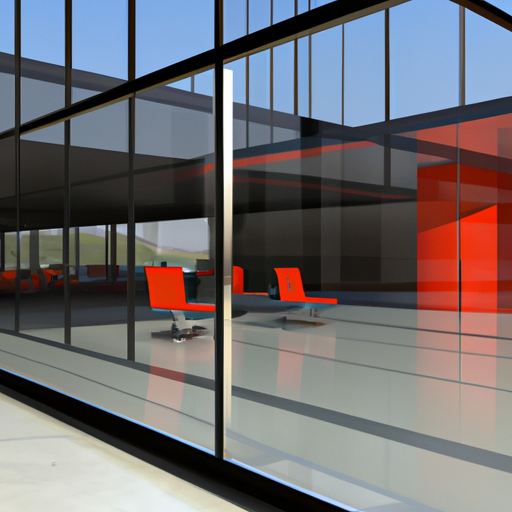
Example of visual style of Ludwig Mies Van Der Rohe

Ludwig Mies Van Der Rohe

Ludwig Mies van der Rohe was a German-American architect who is recognized as one of the pioneers of modern architecture. His style, commonly referred to as the International Style, emerged during the 1920s and continued to be influential in the mid-20th century. Mies van der Rohe is known for his minimalist and functional approach to design. He believed in the idea of ‘less is more’ and sought to create structures that showcased simplicity, open spaces, and the use of modern materials, such as glass, steel, and concrete. His architecture focused on clean lines, geometrical shapes, and a balance between form and function. Mies van der Rohe's designs, including the Barcelona Pavilion and the Seagram Building, have become iconic symbols of modernism.

View StyleExplore Style
Example of visual style of Mies Van Der Rohe

Mies Van Der Rohe

Mies van der Rohe was a German architect who is widely regarded as one of the pioneers of modern architecture. He is famous for his minimalist and functional designs that emphasized the use of clean lines, open spaces, and the innovative use of materials, such as steel and glass. His architectural style became known as the International Style, and he played a significant role in the development of this movement during the 1920s and 1930s. Mies' work was characterized by simplicity, elegance, and a focus on the essential elements of a building, often described by the phrase 'less is more'.

View StyleExplore Style
Home