
Abd Al Samad
Abd Al Samad is a style popular in the Middle East during the 16th century, known for intricate geometric patterns, vibrant colors, and detailed calligraphy.
View StyleExplore Style Stylopedia
A visual encyclopedia of geometric patterns styles – use as prompt inspiration for Midjourney, Gemini, or ChatGPT AI when making geometric patterns images
Abd Al Samad is a style popular in the Middle East during the 16th century, known for intricate geometric patterns, vibrant colors, and detailed calligraphy.
View StyleExplore Style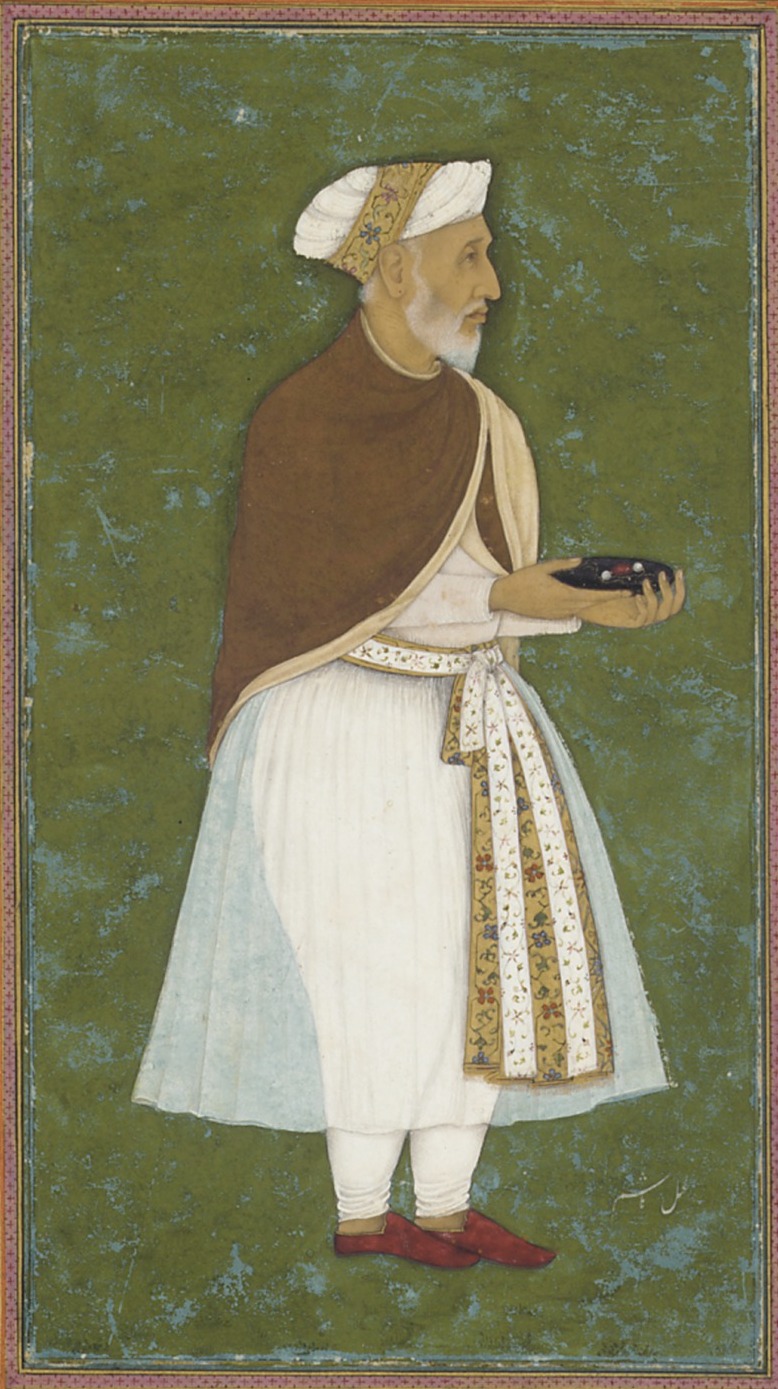
Abdul Rahim Khan I Khanan was a Mughal nobleman and poet in the court of Emperor Akbar in the 16th century. His visual style is characterized by intricate floral motifs, geometric patterns, and vibrant colors, often seen in Mughal miniature paintings and architecture.
View StyleExplore Style
Adolf Wolfli's visual style is characterized by intricate, detailed drawings filled with geometric patterns, vibrant colors, and fantastical imagery. He is known for his unique outsider art created during his time in a psychiatric institution from 1895 to 1908.
View StyleExplore Style
African Modernism is a design movement that emerged in the mid-20th century, combining traditional African aesthetics with modern elements. Bold colors, geometric patterns, and innovative use of materials are characteristic of this style.
View StyleExplore StyleAkwete Weavers is a traditional handwoven textile style originating from the Igbo people in Nigeria. It is characterized by vibrant colors, intricate geometric patterns, and the use of locally sourced materials such as cotton and silk. Akwete Weavers gained fame for its unique designs and cultural significance in the 19th and 20th centuries.
View StyleExplore Style
Al Maqrizi is an Islamic art style that emerged in Egypt during the Mamluk period (13th-16th centuries). It is characterized by intricate geometric patterns, arabesques, and floral motifs often found in Islamic architecture and manuscripts.
View StyleExplore Style
The Alan Scott visual style emerged in the late 1960s and is characterized by bold, abstract shapes, vivid colors, and a sense of movement. This style became famous for its unique combination of geometric patterns and vibrant hues.
View StyleExplore Style
The Alcuin Of York style, dated back to the 8th century, is characterized by intricate illuminated manuscripts featuring ornate calligraphy and intricate geometric patterns, creating a harmonious blend of text and imagery.
View StyleExplore Style
Alexander Girard was a prominent designer in the mid-20th century known for his vibrant, playful and bold visual style. He rose to fame during the 1950s and 1960s with his influential work in the fields of graphic design, textile design, and furniture design. Girard's style was characterized by its use of bright colors, geometric patterns, and folk art-inspired motifs. His designs often exuded a sense of joy, optimism, and whimsy, which made them popular in various industries including interior design, architecture, and even corporate branding.
View StyleExplore Style
Alhambra is a visual style that originated in the 14th century during the Nasrid dynasty in Al-Andalus, Spain. It is famous for its intricate geometric patterns, arabesques, and decorative motifs. The Alhambra fortress in Granada, built in the 14th century, served as a major inspiration for this style. The intricate stucco work, the use of colorful tiles, and the repetition of geometric shapes are characteristic features that define the Alhambra style and make it famous even today.
View StyleExplore Style
The Alhambra Palace style is characterized by intricate geometric patterns, ornate tilework, and stunning arabesques. Originating in 14th-century southern Spain, this style is known for its exquisite craftsmanship and influence from Islamic art and architecture.
View StyleExplore Style
Amelia Pelaez was a Cuban artist known for her abstract paintings inspired by traditional Cuban decorative arts. She gained fame in the 1940s and 1950s for her vibrant colors, geometric patterns, and use of flattened forms.
View StyleExplore Style
Andre Le Notre was a French landscape architect. He was born in 1613 and worked predominantly in the 17th century. Le Notre is best known for his garden designs, particularly the extensive formal gardens of the French Baroque style. His designs emphasized symmetry, geometric patterns, and the integration of architecture and landscape. Le Notre's work was characterized by his use of grand terraces, ornamental parterres, fountains, and reflecting pools. His famous works include the gardens of Versailles and Vaux-le-Vicomte. Le Notre's style became synonymous with the opulence and grandeur of the French royal court during the reign of Louis XIV.
View StyleExplore Style
Andrew McCarthy is a versatile visual artist known for his dynamic and bold use of colors and shapes. His style gained popularity in the late 20th century for its unique combination of geometric patterns and abstract expressionism.
View StyleExplore Style
Angela Missoni's visual style is known for its vibrant colors, geometric patterns, and mix of textures. Since taking the helm of her family's fashion house in the late 1990s, she has continued the brand's legacy of creating bold and luxurious knitwear.
View StyleExplore Style
Anni Albers was a prominent textile artist and printmaker known for her geometric patterns, abstract compositions, and innovative use of materials. Active from the 1920s to the 1960s, her work in the Bauhaus school and her later artistic achievements have made her a pioneer in the field of modern textile art.
View StyleExplore Style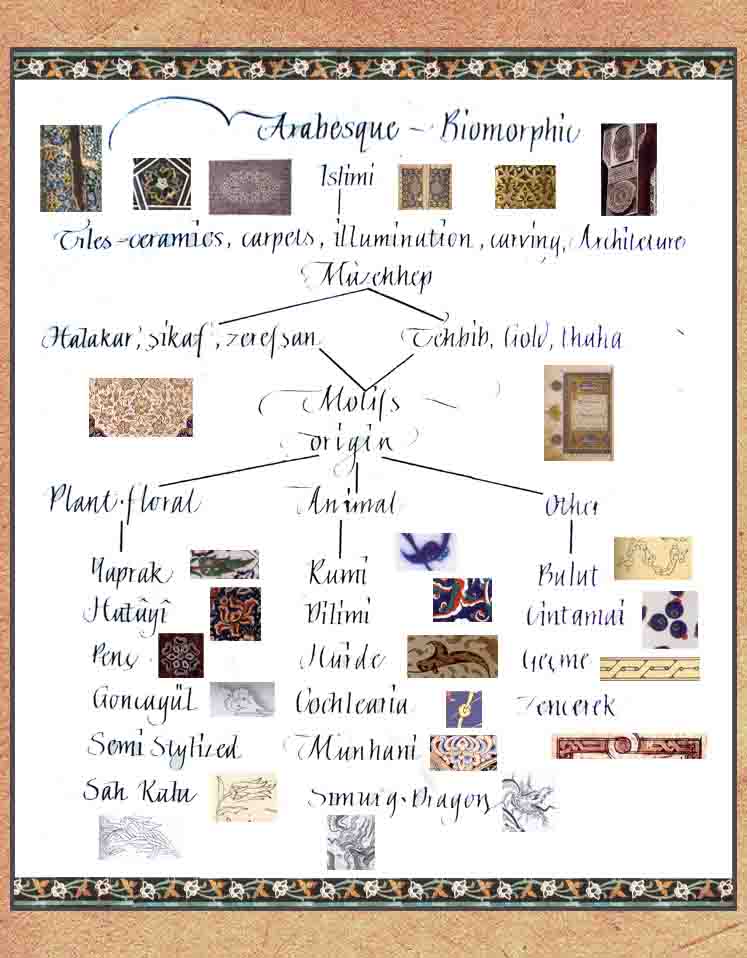
Arabesque Art is a highly decorative style characterized by intricate swirls, organic forms, and geometric patterns. Popularized in the Islamic world during the medieval period, it is known for its intricate detail and elaborate designs.
View StyleExplore Style
Arabia refers to the visual style influenced by Arab culture, characterized by intricate geometric patterns, vibrant colors, and ornate calligraphy. This style became famous during the Islamic Golden Age (8th-14th centuries) and is known for its rich history and influence on Islamic art and architecture.
View StyleExplore Style
Archaic Greek Art refers to the artistic style of Ancient Greece from approximately 800-480 BCE, known for its depiction of idealized figures with stiff, frontal poses and geometric patterns. These works laid the foundation for the later Classical period.
View StyleExplore Style
Autechre's visual style is characterized by abstract, experimental, and minimalist design, often incorporating glitches, digital distortion, and complex geometric patterns. Their style became famous in the 1990s as part of the IDM (Intelligent Dance Music) movement.
View StyleExplore Style
Bhotia Art is a traditional art form originating from the Bhotia tribe in the region of Uttarakhand in India. This style is known for its intricate designs, vibrant colors, and use of geometric patterns. Bhotia Art gained popularity in the 19th and 20th centuries for its distinctive visual appeal.
View StyleExplore Style
Busby Berkeley was a film director and choreographer known for his elaborate musical production numbers in the 1930s and 1940s. His iconic style included intricate geometric patterns, kaleidoscopic formations, and overhead shots that showcased large groups of dancers moving in synchronized patterns.
View StyleExplore Style
The visual style of Carl Andre is characterized by minimalism and simplicity. This style emerged in the late 1960s and became prominent in the 1970s. Andre is famous for his sculptures made from industrial materials like bricks, metal plates, and plywood. His works often involve repetitive geometric patterns and grid-like formations, focusing on the use of space and materials to create a direct and raw visual experience.
View StyleExplore Style
Chief Joseph is a Native American style known for its intricate beadwork and geometric patterns. Popularized in the late 19th century, it is named after the famous Nez Perce chief known for his resistance to U.S. government policies.
View StyleExplore Style
Clarice Cliff was a ceramic artist known for her vibrant and bold Art Deco designs in the 1920s and 1930s. She gained fame for her hand-painted pottery with geometric patterns and bright colors, breaking away from traditional styles.
View StyleExplore Style
Columba is a style of intricate illuminated manuscripts that originated in Ireland around the 6th century and became popular during the Middle Ages. Known for its detailed geometric patterns, vibrant colors, and intricate knotwork designs.
View StyleExplore Style
Contemporary Islamic Artists combine traditional Islamic art techniques with modern influences, emerging mainly in the late 20th and early 21st centuries. This style is known for its fusion of geometric patterns, Arabic calligraphy, and vibrant colors with contemporary themes and techniques.
View StyleExplore Style
Darius I is a visual style that emerged during the reign of Persian King Darius I (522-486 BCE). Known for its intricate geometric patterns, vibrant colors, and detailed craftsmanship, this style is famous for its influence on Persian architecture and art.
View StyleExplore Style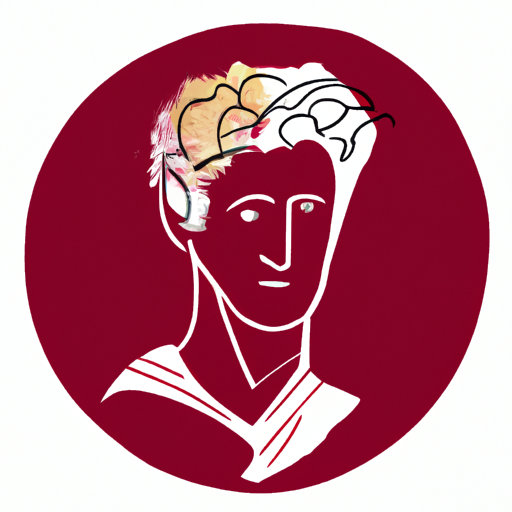
The visual style of David Byrne is characterized by its bold, eclectic and unconventional nature. It emerged in the late 1970s and gained prominence during the 1980s. Known for his work as a musician, artist, and performer, David Byrne's visual style became famous through his collaborations with various artists and designers. Byrne's style is a fusion of avant-garde, post-punk, and pop art, incorporating elements of surrealism and minimalism. His use of vibrant colors, geometric patterns, and the juxtaposition of seemingly unrelated objects create visually captivating and thought-provoking compositions. This style gained a significant following due to its innovative and boundary-pushing approach to visual expression.
View StyleExplore Style
The Sia visual style is characterized by stark contrasts, monochromatic color schemes, and minimalistic design elements. Popular in the 2010s, this style gained fame for its emphasis on abstract shapes and geometric patterns.
View StyleExplore Style
The Dorothy Parker visual style embodies a sophisticated and elegant aesthetic, popular in the early to mid-20th century. This style is known for its use of bold colors, geometric patterns, and luxurious materials, reflecting the glamour of the Art Deco era.
View StyleExplore Style
Emperor Otto I style emerged in Germany during the 10th century. It is characterized by intricate geometric patterns, elaborate designs, and a focus on portraying power and authority through art. This style became famous for its regal motifs and emphasis on creating grandiose visual displays.
View StyleExplore Style
Felipe Pantone is known for his ultra-modern and dynamic visual style that combines elements of graffiti, technology, and optical art. His work often features bold colors, geometric patterns, and glitch effects, creating a futuristic and kinetic aesthetic. Rising to fame in the 2010s, Pantone's unique blend of street art and digital design has garnered international acclaim.
View StyleExplore Style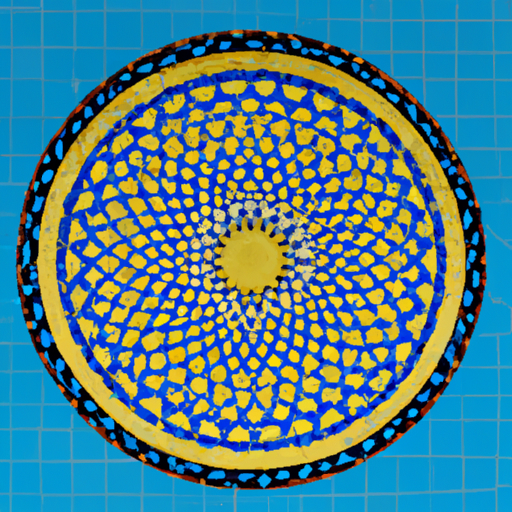
Geometry in Islamic art refers to the use of intricate geometric patterns and designs in various art forms such as architecture, ceramics, and textiles. These geometric patterns are an important element of Islamic art and have been used since the 8th century. The use of geometry in Islamic art became famous due to its mathematical precision and aesthetic beauty. The symmetrical repetition of geometric shapes and the intricate interlacing patterns became iconic in Islamic art, representing the harmony and unity of the Islamic world.
View StyleExplore Style
George Sowden is an Italian-born designer who is known for his bold and colorful visual style. His style emerged in the 1980s and became famous for its vibrant and playful aesthetic. Sowden is well-known for his use of primary colors and geometric patterns, which give his designs a sense of energy and dynamism. His style is characterized by a combination of graphic design and product design, with a focus on creating functional yet visually striking objects. Sowden's work has influenced many contemporary designers and has been widely recognized and exhibited around the world.
View StyleExplore Style
Greek Archaeology visual style refers to the design elements and aesthetics found in ancient Greek artifacts and archaeological sites, dating back to around 1000 BC to 100 AD. This style is famous for its classicism, symmetry, simplicity, and use of geometric patterns.
View StyleExplore Style
Greek Pottery is characterized by geometric patterns, mythological scenes, and black-figure and red-figure techniques. It flourished from the 9th to 4th centuries BC in Ancient Greece, becoming famous for its storytelling and decorative motifs.
View StyleExplore Style
The Guastavino style is characterized by the use of thin tiles for vaulted ceilings and arches, creating beautiful geometric patterns. It was popular in the late 19th and early 20th centuries and became famous for its innovative construction techniques.
View StyleExplore Style
Gunta Stolzl was a prominent textile artist and designer associated with the Bauhaus movement in the early 20th century. Her style, developed between 1919 and 1931, is characterized by bold geometric patterns, vibrant colors, and a focus on functionality. Stolzl's innovative use of materials and techniques, such as weaving and dyeing, revolutionized textile design. Her work at the Bauhaus and later as the head of the weaving workshop made her famous for pushing the boundaries of traditional craft and elevating textiles to the realm of fine art.
View StyleExplore Style
Iranian Modernism is characterized by a blend of traditional Persian aesthetics with contemporary design elements, popular from 1950s to 1970s. Known for its bold colors, geometric patterns, and incorporation of calligraphy.
View StyleExplore Style
Hans Vredeman De Vries was a Dutch Renaissance architect, painter, and engineer who is best known for his intricate and detailed architectural drawings. Active in the late 16th century, his style featured geometric patterns, perspective techniques, and elaborate decorations, influencing the development of Mannerism in Northern Europe.
View StyleExplore Style
Ibne Sina is a visual style that incorporates intricate geometric patterns and vibrant colors. Originating in the Islamic world during the 10th and 11th centuries, it is famous for its detailed ornamentation and use of calligraphy.
View StyleExplore Style
The Ibrahim Pasha style emerged during the rule of Ottoman governor Ibrahim Pasha in Egypt from 1848-1853. It is known for its intricate geometric patterns, vibrant colors, and detailed calligraphy, reflecting a blend of Ottoman and Egyptian artistic traditions.
View StyleExplore Style
Inca Art is a pre-Columbian artistic style developed by the Inca civilization in the Andean region between the 15th and 16th centuries. Known for its intricate geometric patterns, bold colors, and advanced metalwork, Inca Art is famous for its use in architecture, textiles, ceramics, and metalwork.
View StyleExplore Style
The visual style of Inca Emperor Pachacuti, who ruled from 1438 to 1471, is characterized by intricate geometric patterns, vibrant colors, and highly skilled stone masonry. This style is renowned for its precision and grandeur in architecture and artifacts.
View StyleExplore Style
The Isfahan School Of Art emerged in Persia during the Safavid Dynasty (1501-1736) with a focus on intricate geometric patterns, delicate floral motifs, and vibrant colors in architecture and miniature paintings. This style gained fame for its exquisite craftsmanship and attention to detail.
View StyleExplore Style
Islamic Architecture is a distinct architectural style that emerged in the 7th century and continues to be influential today. It is characterized by its emphasis on geometric patterns, ornate calligraphy, and intricate tilework. The architectural style became famous during the golden age of Islamic civilization from the 9th to the 13th century, when magnificent structures such as the Great Mosque of Cordoba and the Alhambra were built. Islamic Architecture is known for its use of domes, arches, and minarets, as well as its unique blend of artistic and architectural elements from various regions such as the Middle East, North Africa, and Spain.
View StyleExplore Style
Islamic Art refers to the artistic traditions and designs that emerged in the Islamic world from the 7th century onwards and continue to be created today. This diverse style encompasses a wide range of mediums, including calligraphy, geometric patterns, arabesques, and intricate floral motifs. Islamic Art is characterized by its emphasis on intricate ornamentation, exquisite craftsmanship, and the prohibition of depicting human figures. Significant periods in Islamic Art include the Umayyad, Abbasid, Mughal, and Safavid eras. The art form gained worldwide recognition through its use in architectural wonders such as the Alhambra in Spain and the Taj Mahal in India.
View StyleExplore Style
Islamic art and architecture is characterized by intricate geometric patterns, calligraphy, and arabesque designs. This style emerged in the 7th century and reached its peak during the Islamic Golden Age. It is famous for its use of ornamentation and attention to detail.
View StyleExplore Style
Islamic Artists create intricate geometric patterns, calligraphy, and colorful designs in art and architecture. These artists are known for their attention to detail and use of symbolism. Famous during the Islamic Golden Age.
View StyleExplore Style
The James White visual style, popularized in the early 2000s, is known for its vibrant neon colors, futuristic design elements, and intricate geometric patterns. This style gained fame through James White's digital art and illustrations.
View StyleExplore Style
Jean Lemon is a visual style that emerged in the 1960s and became famous for its vibrant and bold use of lemony yellow hues. It is characterized by its playful and optimistic aesthetic, often featuring geometric patterns, clean lines, and a sense of whimsy. This style gained popularity in the fashion industry and was associated with the mod culture of the time. Jean Lemon is still influential today, with its cheerful and refreshing palette inspiring designers and artists alike.
View StyleExplore Style
Jesus Rafael Soto was a Venezuelan artist known for his involvement in the Kinetic art movement. His visual style is characterized by the use of vibrant colors, geometric patterns, and the incorporation of movement in his artworks through the use of optical illusions and three-dimensional structures. Soto gained prominence in the 1950s with his series of Penetrables, large-scale installations made of hanging plastic or metal tubes that spectators could walk through, creating an immersive and interactive experience. His unique style and innovative use of materials made him an influential figure in the art world. Soto's work continues to be celebrated for its dynamic and engaging nature.
View StyleExplore Style
The visual style of Leonard Nimoy is characterized by a mix of modern and vintage elements, often incorporating bold colors and geometric patterns. This style became famous in the late 20th century through Nimoy's photography work, which often focused on capturing the beauty of everyday objects and landscapes.
View StyleExplore Style
Loc Mehee is a visual style that emerged in the late 19th century, characterized by intricate geometric patterns and bold colors inspired by Islamic art and architecture. It gained popularity in the Art Nouveau movement for its unique fusion of Eastern and Western design elements.
View StyleExplore Style
Masahiro Chatani was a Japanese architect and graphic designer who is known for pioneering the style of paper architecture. He gained fame in the 1980s for his intricate and innovative paper models, featuring complex geometric patterns and architectural structures. His designs often incorporated elements of traditional Japanese aesthetics and techniques, such as origami and kirigami. Chatani's work revolutionized the field of paper art and inspired many artists and designers around the world.
View StyleExplore Style
Master Mahmud was a Persian miniature painter who worked in the late 17th and early 18th centuries. His style is characterized by intricate details, vibrant colors, and strong use of geometric patterns. He gained fame for his masterful rendering of courtly scenes and Persian mythology.
View StyleExplore Style
Mayan pottery is known for its intricate designs and vibrant colors. This style emerged in Mesoamerica around 1800 BC and is famous for its depictions of gods, animals, and geometric patterns.
View StyleExplore Style
Mehmet Gursoy's visual style is characterized by bold colors, abstract shapes, and geometric patterns. He gained fame in the 1970s for his innovative use of materials and techniques in creating modern art pieces.
View StyleExplore Style
Middle Eastern Art refers to the visual style of art that originates from the Middle East region. It encompasses various forms of art including traditional Islamic art, calligraphy, miniature painting, mosaic art, and more. Middle Eastern Art has a rich history and dates back to ancient civilizations like Mesopotamia and Egypt. It reached its peak during the Islamic Golden Age (8th to 14th centuries) when Islamic art and architecture flourished, characterized by intricate geometric patterns, arabesque designs, and ornate calligraphy. It has been highly influential in shaping the art world, known for its vibrant colors, detailed craftsmanship, and the fusion of religious, cultural, and regional influences.
View StyleExplore Style