StylopediaStylopedia

Geometric abstraction styles on Stylopedia

A visual encyclopedia of geometric abstraction styles – use as prompt inspiration for Midjourney, Gemini, or ChatGPT AI when making geometric abstraction images

Example of visual style of Carmen Herrera

Carmen Herrera

Carmen Herrera is a visual style characterized by bold geometric abstraction and crisp lines. Originating in the mid-20th century, it gained recognition for its unique approach to minimalism and vibrant color palettes. Herrera's style became famous for her use of sharp angles, intersecting shapes, and a limited color palette consisting of mainly primary colors. Her work highlights a strong sense of balance and symmetry, creating a visually striking and harmonious composition.

View StyleExplore Style
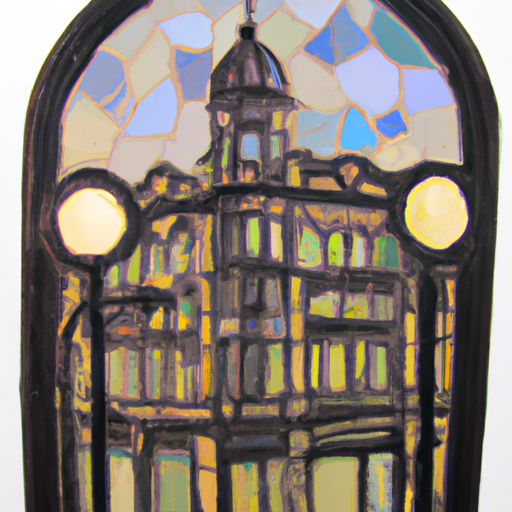
Example of visual style of George Vantongerloo

George Vantongerloo

George Vantongerloo was a Belgian painter, sculptor, and architect who was a prominent figure in the development of abstract art in the early 20th century. His style, which emerged around 1917, was characterized by geometric abstraction and a focus on the exploration of form, color, and space. Vantongerloo is best known for his use of pure geometric shapes, such as squares, circles, and triangles, arranged in precise compositions that emphasized the interplay of line and color. His works often evoked a sense of harmony and balance through their simplicity and precision. Vantongerloo's style gained recognition and influence through his participation in various art movements and groups, including De Stijl and Constructivism. His ideas and artworks played a significant role in shaping the development of abstract art in the 20th century.

View StyleExplore Style
Example of visual style of Gustavo Pantone

Gustavo Pantone

Gustavo Pantone is a contemporary visual style that combines elements of op art, geometric abstraction, and street art. It emerged in the early 2010s and gained popularity for its futuristic and vibrant aesthetics. Pantone's works are characterized by dynamic patterns, bold lines, optical illusions, and a futuristic color palette. His style has become famous for its ability to create visually captivating and immersive experiences, often playing with the viewer's perception and challenging the boundaries of traditional art forms.

View StyleExplore Style
Example of visual style of Lyubov Popova

Lyubov Popova

Lyubov Popova was a Russian avant-garde artist known for her pioneering work in the Constructivist style. Active during the early 20th century (1909-1924), she played a significant role in the development of modern art in Russia. Popova's style is characterized by geometric abstraction, bold shapes, vibrant colors, and dynamic compositions. Her innovative use of color and form, as well as her exploration of the relationships between art and society, made her famous in the art world.

View StyleExplore Style
Example of visual style of Russian Constructivism

Russian Constructivism

Russian Constructivism was an influential art movement in Russia from 1919 to the early 1930s. It is characterized by geometric abstraction, industrial materials, and the belief that art should serve a social purpose. The movement gained fame for its innovative use of space, bold colors, and the incorporation of industrial design principles into art. Some prominent years for Russian Constructivism include the early 1920s when it started to gain momentum and the late 1920s when it faced suppression from the Soviet government.

View StyleExplore Style
Example of visual style of Vilmos Huszar

Vilmos Huszar

Vilmos Huszar was a Hungarian artist and one of the founders of the De Stijl movement. Active during the early 20th century, his visual style is characterized by geometric abstraction, simplicity, and the use of primary colors. He was known for his unique approach to composition, often using bold lines and shapes to create dynamic and harmonious arrangements. His work during the 1910s and 1920s played a crucial role in establishing the principles of De Stijl, which sought to create a universal visual language through the use of pure form and color. Huszar's contributions to the movement, particularly his exploration of the grid and the use of the diagonal, made him one of the most influential artists of his time.

View StyleExplore Style
Example of visual style of Vladimir Tatlin

Vladimir Tatlin

Vladimir Tatlin was a Russian artist and architect known for his constructivist style. Born in 1885, Tatlin's work gained prominence in the early 20th century, particularly between 1913 and 1920. He is famous for constructing the unrealized design of the Monument to the Third International, also known as Tatlin's Tower. Tatlin's style is characterized by geometric abstraction, use of industrial materials, and his interest in integrating art into everyday life. His iconic tower design, consisting of iron, glass, and steel, reflects his vision of merging art, technology, and architecture.

View StyleExplore Style
Home