StylopediaStylopedia

Gender styles on Stylopedia

A visual encyclopedia of gender styles – use as prompt inspiration for Midjourney, Gemini, or ChatGPT AI when making gender images

Example of visual style of Barbara Hammer

Barbara Hammer

Barbara Hammer is known for her experimental and avant-garde visual style in film-making. She rose to prominence in the 1970s and became a pioneer of queer cinema. Hammer's work often explored themes of sexuality, gender, and identity, challenging societal norms and pushing the boundaries of artistic expression. Her use of innovative techniques, such as multiple exposures and hand processing, added a distinct visual dimension to her films. Through her work, Hammer became an influential figure in the feminist and LGBTQ+ art movements.

View StyleExplore Style
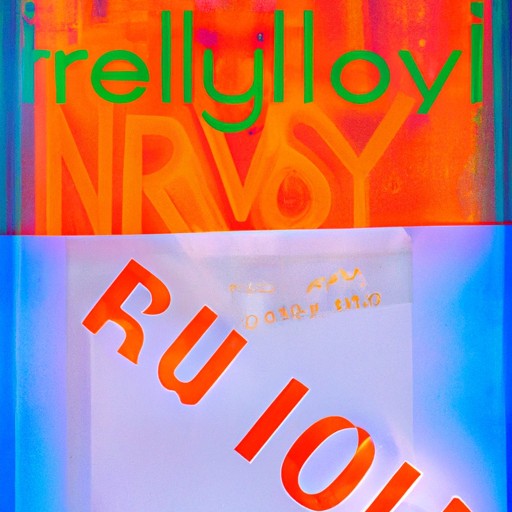
Example of visual style of Barbara Kruger

Barbara Kruger

Barbara Kruger is known for her bold and politically-charged artwork that combines text and imagery. She rose to prominence in the late 1970s and early 1980s during the feminist art movement and the rise of postmodernism. Kruger's iconic style consists of black and white photographs overlaid with text in a bold, red font. Her work often explores themes of consumerism, gender, and power, and challenges viewers to question societal norms and control. Through her powerful and visually striking pieces, Kruger has become one of the most influential artists of her time.

View StyleExplore Style
Example of visual style of Betye Saar

Betye Saar

Betye Saar is a visual artist known for her distinctive assemblage art. She gained recognition in the 1960s and 1970s for her powerful exploration of race, gender, and identity in American society. Saar's work often incorporates found objects, such as old photographs, dolls, and furniture, which she arranges into thought-provoking and thought-provoking compositions. Through her art, Saar addresses themes of racial inequality, cultural stereotypes, and the African American experience, highlighting the importance of social and political issues. Her works have become iconic symbols of the Black Arts Movement and continue to influence contemporary artists.

View StyleExplore Style
Example of visual style of Carrie Mae Weems

Carrie Mae Weems

Carrie Mae Weems is known for her powerful and thought-provoking photography, video, and installation artworks. Her visual style combines documentary photography with cultural and social commentary, exploring themes of race, gender, and class. Weems gained recognition in the 1990s for her series 'The Kitchen Table', which utilized staged domestic scenes to examine the complexities of intimate relationships and the roles of women. Her work often incorporates text and audio elements to further enhance the narrative and emotional impact. Weems' unique approach to storytelling and her ability to challenge societal norms have made her style iconic in the world of contemporary photography.

View StyleExplore Style
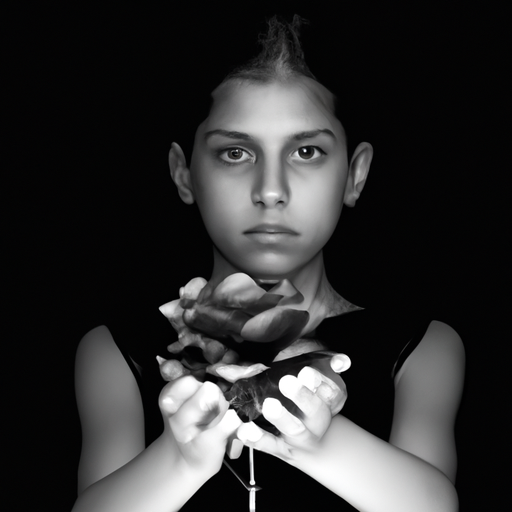
Example of visual style of Cindy Sherman

Cindy Sherman

Cindy Sherman is a visual artist known for her iconic self-portraits that explore the construction of identity, gender, and societal stereotypes. Her work gained prominence in the late 1970s and early 1980s, challenging the traditional notions of self-portraiture and photography. Sherman's use of costumes, prosthetics, and various props allowed her to transform into different characters, often referencing art history, film, and popular culture. The ambiguity of her photographs and the ability to assume different personas made Cindy Sherman a leading figure in the postmodern art movement.

View StyleExplore Style
Example of visual style of Feminist Art

Feminist Art

Feminist Art emerged in the late 1960s and early 1970s as a movement that aimed to challenge and critique the dominant male-centric art world. It sought to bring attention to the experiences of women and explore issues of gender, sexuality, and identity. With its roots in the feminist movement, this style gained prominence by highlighting social and political inequalities. Famous feminist artists like Judy Chicago and Guerrilla Girls used various mediums to express their messages, including painting, sculpture, performance art, and photography.

View StyleExplore Style
Example of visual style of Hannah Hoch

Hannah Hoch

Hannah Hoch was a German artist associated with the Dada movement in the early 20th century. She is best known for her pioneering work in photomontage, which involved cutting and rearranging photographs to create collages that challenged traditional notions of gender, identity, and culture. Active during the 1920s and 1930s, Hoch's work reflected the political and social upheaval of the time, incorporating images from popular media and fashion magazines to critique societal norms and expose the contradictions of the Weimar Republic in Germany.

View StyleExplore Style
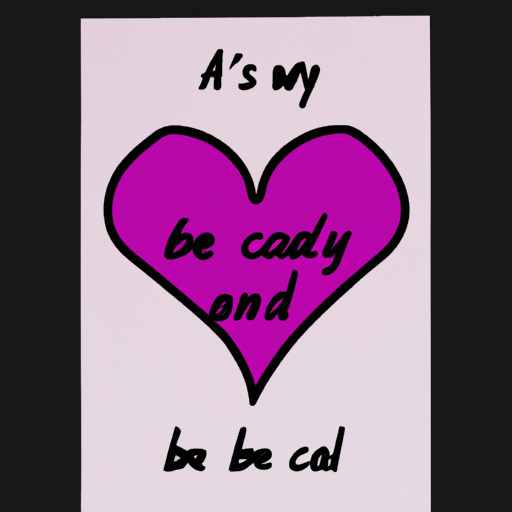
Example of visual style of Jenny Holzer

Jenny Holzer

Jenny Holzer is an American artist known for her text-based artworks. Emerging in the late 1970s, Holzer gained fame for her use of LED signs to display provocative and thought-provoking statements in public spaces. Her works often address themes of power, politics, gender, and violence. Holzer's visual style combines bold and simple typography with stark backgrounds, creating a visually impactful and highly readable display. Her artworks have been exhibited internationally and have made a significant impact on contemporary art.

View StyleExplore Style
Example of visual style of Kara Walker

Kara Walker

Kara Walker is an American artist known for her black silhouette installations and cut-paper works. She emerged in the mid-1990s with her signature style that explores themes of race, gender, and power dynamics. Walker's work became famous for its provocative and complex narratives, often depicting scenes from the antebellum South and addressing the legacy of slavery. Her unique visual style combines intricate paper cutouts and large-scale wall murals, creating shadowy and evocative imagery.

View StyleExplore Style
Example of visual style of Lorna Simpson

Lorna Simpson

Lorna Simpson is known for her unique combination of photography and text to explore themes of gender, race, identity, and representation. Her work emerged in the 1980s and gained critical acclaim for its innovative approach in addressing societal issues. Simpson became famous for her iconic and thought-provoking series 'Guarded Conditions' in 1989, which featured large-scale photographs with inserted text panels. This series challenged traditional notions of perception and interpretation by combining images and language to create layered narratives.

View StyleExplore Style
Example of visual style of Pedro Almodovar's Costume Designers

Pedro Almodovar's Costume Designers

Pedro Almodovar's Costume Designers style is characterized by vibrant and flamboyant costumes that play a significant role in conveying the emotions and identities of the characters. This style emerged in the 1980s and became famous through the works of Pedro Almodovar, a renowned Spanish film director known for his colorful and melodramatic films. The costume designers working with Almodovar created visually captivating costumes that often reflect the themes of gender, sexuality, and Spanish culture.

View StyleExplore Style
Example of visual style of Sarah Lucas

Sarah Lucas

Sarah Lucas is a British contemporary artist known for her provocative and challenging approach to gender, sexuality, and the human body. She emerged in the 1990s as part of the Young British Artists movement and gained international recognition. Lucas became famous for her use of everyday objects, such as cigarettes, stuffed tights, and furniture, to create sculptures, installations, and photographs that challenge traditional notions of femininity and masculinity.

View StyleExplore Style
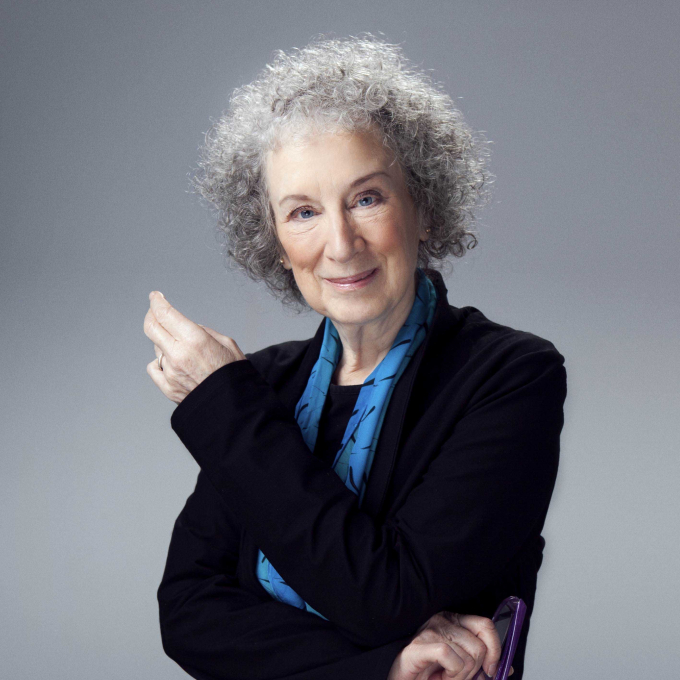
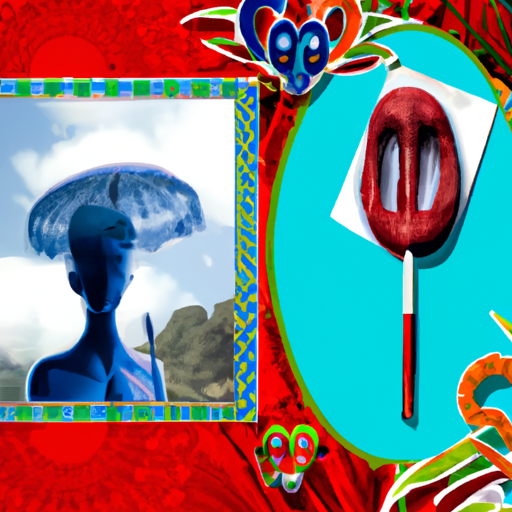
Example of visual style of Wangechi Mutu

Wangechi Mutu

Wangechi Mutu is a visual artist known for her collages, sculptures, and mixed media works. Her style is characterized by the fusion of various materials, including magazine cutouts, paint, and found objects, to create intricate and surreal compositions. Mutu gained recognition in the early 2000s for her powerful exploration of Afrofuturism, identity, and the representation of Black women in art. Her works often depict hybrid figures that challenge traditional notions of beauty and confront issues of gender, race, and power. Mutu's unique visual language has made her one of the leading contemporary artists of her generation.

View StyleExplore Style
Home