StylopediaStylopedia

Futuristic styles on Stylopedia

A visual encyclopedia of futuristic styles – use as prompt inspiration for Midjourney, Gemini, or ChatGPT AI when making futuristic images

Example of visual style of Aerospace Art

Aerospace Art

Aerospace Art is a visual style that emerged in the mid-20th century and continues to thrive today. It is a genre that showcases artistic interpretations of various aspects of aviation, aerospace technology, and space exploration. With its emphasis on capturing the spirit of flight and the awe-inspiring nature of outer space, Aerospace Art has gained popularity for its ability to combine technical accuracy with artistic expression. This style became famous during the mid-20th century as space exploration captured the imagination of the world, and artists began to depict futuristic spacecraft and celestial landscapes. It continues to be important today as it celebrates humanity's fascination with the skies and beyond.

View StyleExplore Style
Example of visual style of Alex Jaeger

Alex Jaeger

Alex Jaeger is known for his work in the field of concept art and visual effects. He has a distinct style characterized by attention to detail, realistic rendering, and a strong use of color. His works often feature futuristic and sci-fi elements, with a focus on creating believable and immersive environments. Alex Jaeger rose to prominence in the late 1990s and early 2000s, with his work on films like Starship Troopers (1997) and the Men in Black series. His ability to bring fantastical worlds to life through his intricate designs and meticulous execution made him famous in the industry.

View StyleExplore Style
Example of visual style of Alex McDowell

Alex McDowell

The visual style of Alex McDowell is futuristic and immersive, blending architecture, technology, and storytelling in a seamless way. McDowell became famous for his groundbreaking work as a production designer in the late 1990s and early 2000s, bringing his unique visions to life in films like 'Fight Club' (1999), 'Minority Report' (2002), and 'The Terminal' (2004). His use of intricate set designs, innovative use of digital technologies, and meticulous attention to detail created visually stunning and fully realized worlds, transporting audiences into the future.

View StyleExplore Style
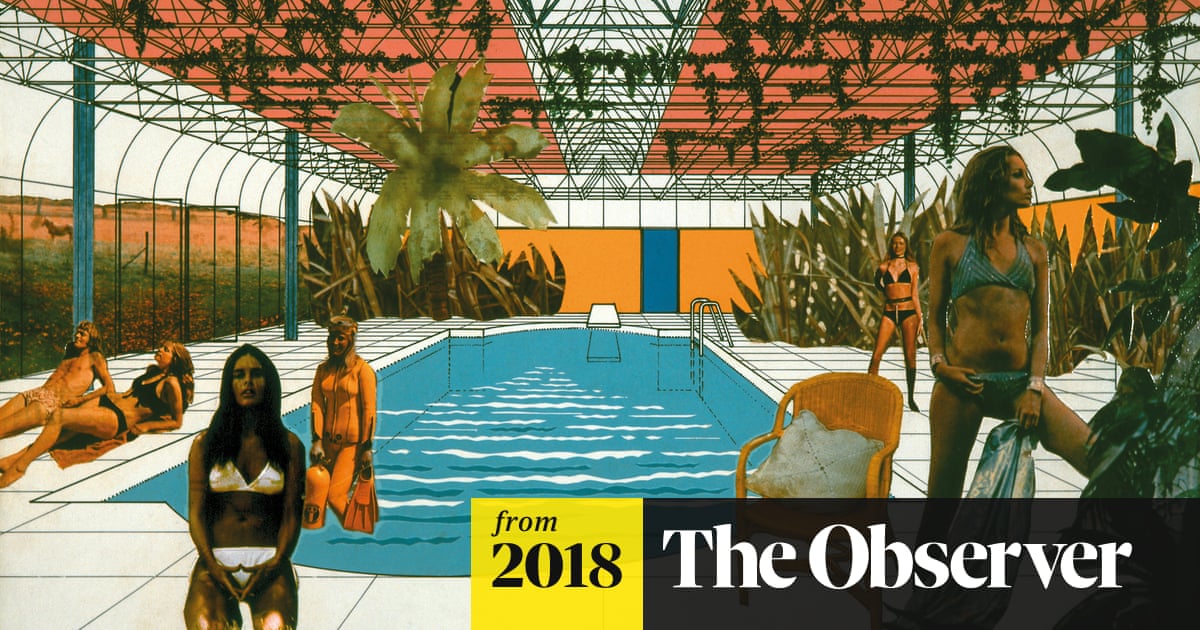
Example of visual style of Archigram

Archigram

Archigram is an avant-garde architectural design collective that was active during the 1960s. Known for their imaginative and futuristic proposals, Archigram pushed the boundaries of traditional architecture and embraced technology, pop culture, and science fiction influences. The group gained fame for their iconic projects such as the Walking City and Plug-in City, which envisioned mobile and adaptable environments that could be disassembled and reconfigured. Archigram's style captured the spirit of the '60s counterculture and embraced the emerging digital age, making them pioneers in the field of speculative and conceptual architecture.

View StyleExplore Style
Example of visual style of Arena

Arena

Arena is a visual style that emerged in the late 1970s and gained popularity in the 1980s. It is characterized by vibrant and dynamic designs featuring bold colors, geometric shapes, and futuristic elements. The style became famous for its association with the arena rock music genre, which featured extravagant concerts and larger-than-life performances. The use of advanced technology in stage production, such as advanced lighting systems and massive video screens, contributed to the visual spectacle associated with the Arena style.

View StyleExplore Style
Example of visual style of Arthur C Clarke

Arthur C Clarke

The Arthur C Clarke visual style is a futuristic and technology-focused style that emerged in the mid-20th century. It gained fame through the works of Arthur C. Clarke, a renowned science fiction writer and futurist. This style is characterized by its sleek and minimalistic designs, often featuring clean lines, geometric shapes, and a sense of space and depth. It combines elements of science, technology, and imagination to portray advanced future worlds. The Arthur C Clarke visual style became famous through Clarke's influential novels, such as '2001: A Space Odyssey', which showcased a visually striking representation of futuristic technology and space exploration.

View StyleExplore Style
Example of visual style of Bjork

Bjork

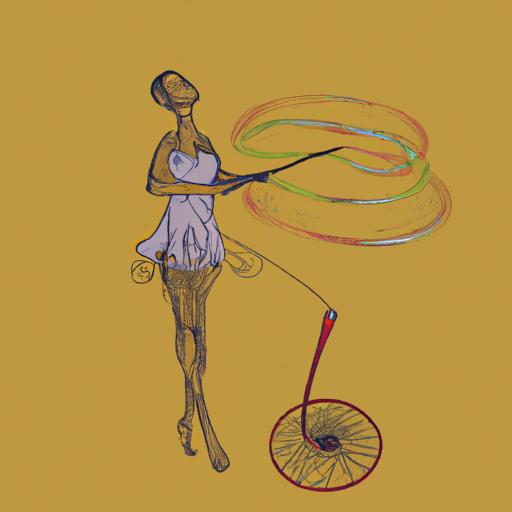
The Bjork visual style emerged in the late 1990s and became famous for its avant-garde, futuristic, and eclectic aesthetic. Incorporating elements of surrealism, art-pop, and experimental fashion, this style captivated audiences with its imaginative and otherworldly visuals. Bjork's visual style often featured vibrant colors, unconventional costumes, fantastical sets, and visually stunning music videos. Key years include the late 1990s and early 2000s when Bjork collaborated with renowned designers and directors to create visually groundbreaking works like the 'All Is Full of Love' music video and the 'Biophilia' multimedia project.

View StyleExplore Style
Example of visual style of Black Mirror

Black Mirror

Black Mirror is a futuristic and dystopian visual style that gained popularity in the 2010s. It is known for its dark, thought-provoking themes that highlight the potential dangers of technology and its impact on society. The style often depicts a near-future world where advanced technology is intertwined with everyday life, exploring the consequences and ethical dilemmas that arise. It became famous for its unique storytelling format and its ability to reflect contemporary issues through a sci-fi lens.

View StyleExplore Style
Example of visual style of Blade Runner

Blade Runner

Blade Runner is a dystopian science fiction style that emerged in the 1980s. It is known for its dark, futuristic cityscapes, neon-lit streets, heavy rain, and industrial decay. The style became famous for its unique blend of film noir and cyberpunk elements, creating a visually stunning world. It was popularized by the 1982 film 'Blade Runner' directed by Ridley Scott, which showcased the genre's signature visuals and became highly influential in the realm of science fiction filmmaking.

View StyleExplore Style
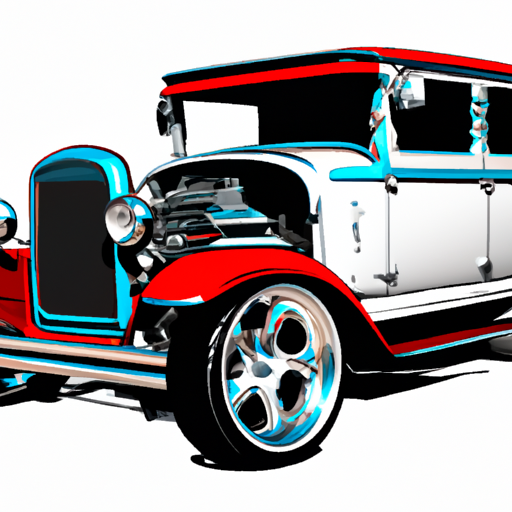
Example of visual style of Boyd Coddington

Boyd Coddington

Boyd Coddington was an iconic figure in the world of hot rods and custom cars. He became famous during the 1980s and 1990s for his distinctive and innovative designs. Coddington's visual style was characterized by sleek and futuristic lines, exquisite attention to detail, and a perfect balance between form and function. His cars often featured unique paintjobs, custom wheels, and high-performance engines. Coddington's groundbreaking work revolutionized the hot rod industry and inspired many car enthusiasts and custom builders worldwide.

View StyleExplore Style

Example of visual style of Brave New World

Brave New World

Brave New World is a dystopian visual style that became famous in the early 20th century. It was heavily influenced by the surge in technological advancements and industrialization. This style is characterized by its futuristic and sleek designs, minimalist aesthetics, and an emphasis on efficiency and uniformity. Brave New World reflects a world controlled by an authoritative government, where individualism and personal freedom are suppressed in favor of conformity. It gained popularity through Aldous Huxley's novel of the same name, published in 1932, which depicted a future society dominated by technology and genetic engineering.

View StyleExplore Style
Home