StylopediaStylopedia

Functionality styles on Stylopedia

A visual encyclopedia of functionality styles – use as prompt inspiration for Midjourney, Gemini, or ChatGPT AI when making functionality images

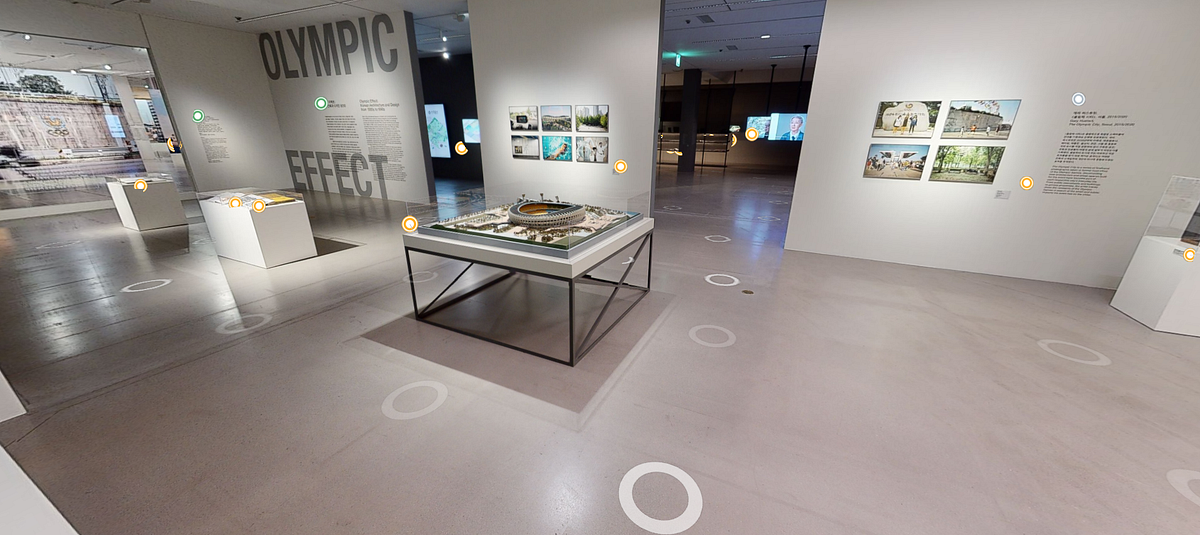
Example of visual style of Bauhaus Design

Bauhaus Design

Bauhaus Design, which emerged in Germany in the early 20th century, is often associated with the years 1919-1933 when the Bauhaus school existed. It became famous for its innovative approach to art, architecture, and design. Bauhaus aimed to blend craftsmanship and mass production, combining functionality with aesthetic simplicity. It emphasized geometric shapes, clean lines, and a lack of unnecessary ornamentation. Bauhaus Design also influenced typography, interior design, and furniture. Its focus on merging art with technology and its strong impact on modernism made it internationally renowned.

View StyleExplore Style

Example of visual style of Car Designers

Car Designers

Car Designers is a visual style associated with the field of automotive design. This style emerged in the early 20th century with the introduction of mass-produced automobiles. It became famous for its focus on functionality, aerodynamics, and aesthetics. Car designers have played a crucial role in shaping the automotive industry by creating iconic designs that reflect the spirit of their respective eras. Some important years for this style include the 1920s Art Deco era, the 1950s space-age design, and the current trend towards sleek, minimalist forms. Car Designers have brought innovation, engineering prowess, and artistic sensibility to the design of automobiles.

View StyleExplore Style

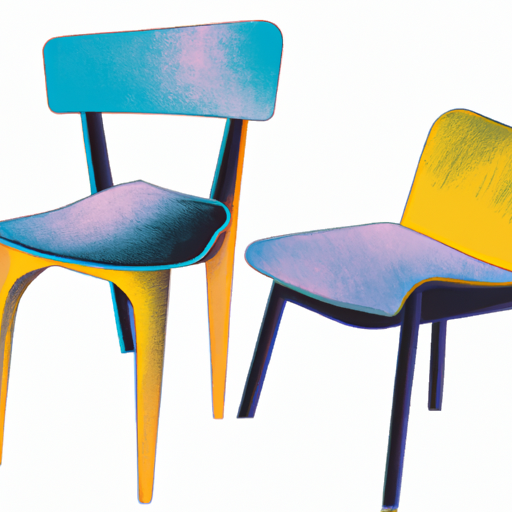
Example of visual style of Charles Eames

Charles Eames

The Charles Eames visual style emerged during the mid-20th century, from the 1940s to the 1970s. It is known for its innovative and iconic designs in furniture, architecture, and industrial design. Charles Eames, along with his wife Ray Eames, pioneered the use of new materials, especially molded plywood, in their creations. Their furniture pieces, such as the Eames Lounge Chair and Ottoman, became famous for their combination of comfort, functionality, and elegance. The Eameses' designs were characterized by clean lines, organic shapes, and a balance between form and function.

View StyleExplore Style
Example of visual style of Contemporary Architecture

Contemporary Architecture

Contemporary Architecture is characterized by its innovative and forward-thinking design, which reflects the spirit of the present time. It emerged in the late 20th century and continues to evolve today. This style became famous for its departure from traditional architectural principles, embracing new materials, technologies, and sustainability practices. Contemporary architecture seeks to create harmonious spaces that blend functionality, aesthetics, and environmental consciousness.

View StyleExplore Style
Example of visual style of Danish Design

Danish Design

Danish Design refers to the design aesthetic that emerged in Denmark in the early 20th century and gained international recognition in the mid-20th century. Characterized by simplicity, functionality, and elegance, Danish Design beautifully combines form and function. It became famous in the 1950s and 1960s through the works of renowned Danish designers such as Arne Jacobsen and Hans Wegner, who introduced modernist principles and organic forms into furniture and product design.

View StyleExplore Style
Example of visual style of Designers

Designers

Designers is a visual style that emerged in the early 1920s and became prominent in the post-World War II era. It is characterized by its sleek and minimalist design, focusing on functionality and form. Designers prioritized simplicity, geometric shapes, and clean lines, reflecting the influence of modernist principles. This style gained fame through renowned designers such as Dieter Rams, Charles Eames, and Ettore Sottsass, who elevated the concept of design as a holistic approach encompassing various disciplines. Designers revolutionized industries such as furniture, product design, and graphic design, shaping the aesthetics of modernism and establishing it as a timeless design language.

View StyleExplore Style
Example of visual style of Finnish Design

Finnish Design

Finnish Design refers to the design aesthetic that emerged in Finland during the mid-20th century and gained international recognition. Characterized by simplicity, functionality, and timeless elegance, Finnish Design became famous for its clean lines, minimalism, and high-quality craftsmanship. It gained prominence in the 1950s and 1960s when Finnish designers like Alvar Aalto, Tapio Wirkkala, and Marimekko revolutionized the field. Emphasizing the use of local materials, such as birch wood and glass, Finnish Design has had a lasting impact on modern design principles.

View StyleExplore Style
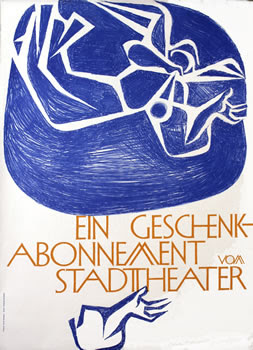
Example of visual style of Graphic Design

Graphic Design

Graphic Design is a visual style that emerged in the late 19th century and continues to be influential today. It focuses on the creation and arrangement of visual elements to convey a message or evoke an emotion. Graphic design became famous in the mid-20th century with the rise of modernism, which emphasized simplicity, clarity, and functionality. The use of typography, photography, illustration, and color theory are essential components of this style, which is known for its precision, organization, and visual impact.

View StyleExplore Style
Example of visual style of Gunta Stolzl

Gunta Stolzl

Gunta Stolzl was a prominent textile artist and designer associated with the Bauhaus movement in the early 20th century. Her style, developed between 1919 and 1931, is characterized by bold geometric patterns, vibrant colors, and a focus on functionality. Stolzl's innovative use of materials and techniques, such as weaving and dyeing, revolutionized textile design. Her work at the Bauhaus and later as the head of the weaving workshop made her famous for pushing the boundaries of traditional craft and elevating textiles to the realm of fine art.

View StyleExplore Style
Example of visual style of Gustav Stickley

Gustav Stickley

Gustav Stickley was a prominent American furniture designer and architect who was part of the Arts and Crafts movement. His work was influential from the late 19th century to the early 20th century, particularly in the period from 1901 to 1916. Stickley's furniture design emphasized simplicity, functionality, and craftsmanship, with an emphasis on handmade construction and the use of natural materials. His designs often featured clean lines, sturdy construction, and traditional joinery techniques. This style became famous for its high-quality craftsmanship and the philosophy of honest, well-made furniture.

View StyleExplore Style
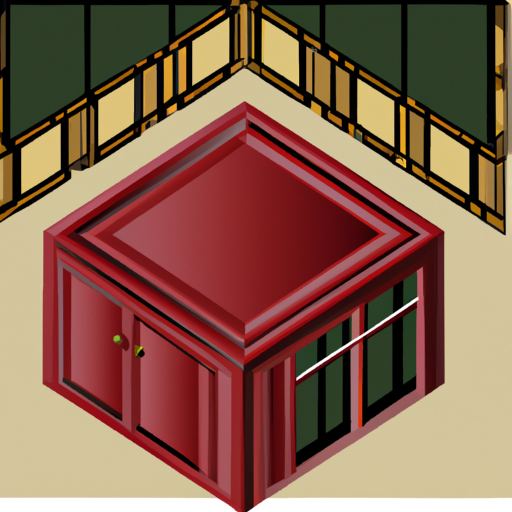
Example of visual style of Industrial design

Industrial design

Industrial Design is a visual style characterized by a focus on functionality, efficiency, and mass production. It emerged during the late 19th and early 20th centuries, but gained prominence in the mid-20th century through the works of influential designers such as Raymond Loewy and Dieter Rams. The style became famous for its sleek lines, minimal ornamentation, and the use of industrial materials like steel, glass, and concrete. Industrial Design aimed to create practical and aesthetically appealing products for mass consumption, reflecting the advancements and aspirations of the machine age.

View StyleExplore Style
Example of visual style of International Style

International Style

The International Style emerged in the 1920s and became prominent in the 1930s and 1940s. It is characterized by its emphasis on functionality, simplicity, and the use of modern materials like glass, steel, and concrete. This style is often associated with the Bauhaus school, which aimed to merge art with industry. The International Style is famous for its clean lines, geometric shapes, and lack of decorative elements. It greatly influenced the design of architecture and urban planning, particularly in the United States, and laid the foundation for modernist architecture.

View StyleExplore Style
Example of visual style of Josef Hoffmann

Josef Hoffmann

Josef Hoffmann was an Austrian architect and designer who was a key figure in the development of the Vienna Secession and Wiener Werkstätte movements. Active in the late 19th and early 20th centuries, Hoffmann's visual style is characterized by its clean lines, geometric forms, and emphasis on functionality. His designs are often considered a fusion of modernism and traditional craftsmanship. Hoffmann's work became famous for its innovative use of materials and his attention to detail. His style gained popularity in the early 1900s and continues to influence modern design today.

View StyleExplore Style

Example of visual style of Marcel Breuer

Marcel Breuer

Marcel Breuer was a Hungarian-born modernist architect and furniture designer. His visual style is characterized by clean lines, simplicity, and functionality. Breuer's work became famous in the 1920s and 1930s, during the rise of the Bauhaus movement. He is recognized for his innovative use of materials, particularly tubular steel, in furniture design. Breuer's designs were often influenced by his background in architecture, resulting in furniture that is both aesthetically pleasing and structurally sound.

View StyleExplore Style
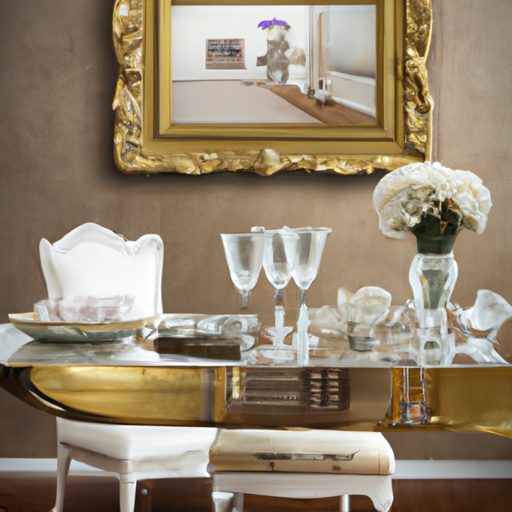
Example of visual style of Martha Stewart

Martha Stewart

Martha Stewart is a visual style that is characterized by its clean, elegant, and timeless aesthetic. It gained fame through the popular American television personality and lifestyle entrepreneur, Martha Stewart. This style became widely recognized during the 1990s when Stewart's brand rose to prominence, particularly with her emphasis on home and garden, entertaining, and crafting. The Martha Stewart visual style embodies classic design principles, incorporates natural elements, and prioritizes functionality.

View StyleExplore Style

Example of visual style of Martine Bedin

Martine Bedin

Martine Bedin is a French designer known for her involvement in the Memphis Group, an influential design movement in the 1980s. Her visual style is characterized by bold colors, geometric shapes, and an emphasis on playfulness. Bedin's designs often feature unconventional forms and materials, combining functionality with a sense of whimsy. She gained fame for her iconic 'Super Lamp' and 'Camel Table' designs, which epitomize the Memphis Group's aesthetic. Bedin's work continues to inspire contemporary designers and is celebrated for its innovative and vibrant approach to design.

View StyleExplore Style
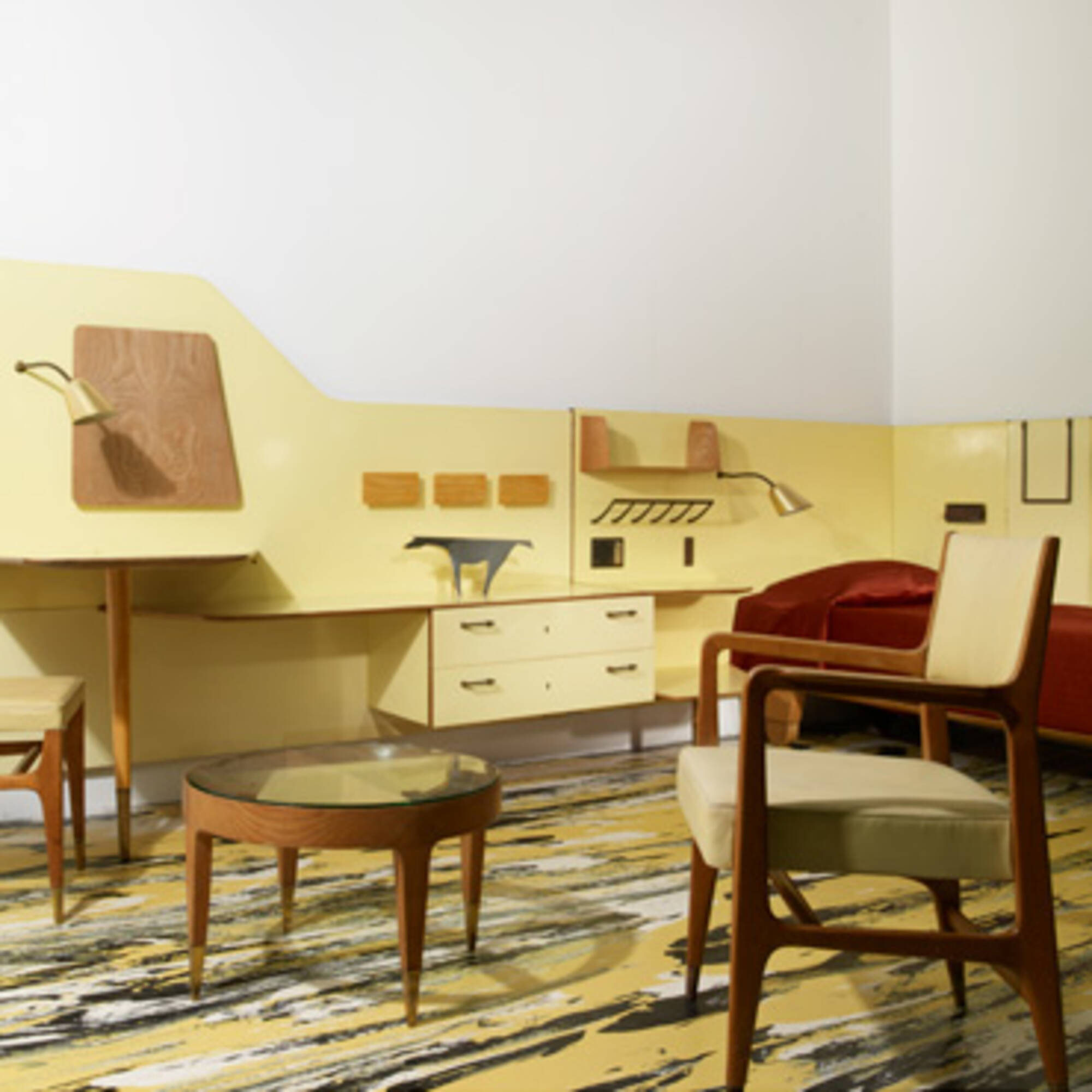
Example of visual style of Mid Century Design

Mid Century Design

Mid Century Design refers to the aesthetic style of the mid-20th century, specifically the period between the 1930s to the 1960s. It is known for its clean lines, organic forms, and innovative use of materials. Famous for its simplicity and functionality, Mid Century Design became popular through its emphasis on minimalism and the integration of nature with modern living. It was influenced by the Bauhaus movement and the works of renowned designers such as Charles and Ray Eames, Eero Saarinen, and Arne Jacobsen.

View StyleExplore Style
Example of visual style of Mid Century Modern Design

Mid Century Modern Design

Mid Century Modern Design is a style that emerged in the mid-20th century (approximately 1930s to 1960s) and became famous for its functional and minimalist approach to design. It is characterized by clean lines, organic shapes, and a focus on functionality and simplicity. This style gained popularity after World War II as a response to the ornate and decorative design styles of the past. Mid Century Modern Design is known for its use of materials such as plastic, plywood, and metal, as well as its integration of indoor and outdoor spaces.

View StyleExplore Style

Example of visual style of Mies Van Der Rohe

Mies Van Der Rohe

Mies van der Rohe was a German architect who is widely regarded as one of the pioneers of modern architecture. He is famous for his minimalist and functional designs that emphasized the use of clean lines, open spaces, and the innovative use of materials, such as steel and glass. His architectural style became known as the International Style, and he played a significant role in the development of this movement during the 1920s and 1930s. Mies' work was characterized by simplicity, elegance, and a focus on the essential elements of a building, often described by the phrase 'less is more'.

View StyleExplore Style
Example of visual style of Modern Design

Modern Design

Modern Design emerged during the early 20th century, influenced by the Industrial Revolution and advancements in technology. It is characterized by simplicity, functionality, and clean lines. The style became popular between the 1920s and 1950s, with notable movements such as the Bauhaus and the International Style. Modern Design rejected ornate decorations and focused on minimalism, using materials like steel, glass, and concrete. Its emphasis on practicality and mass production made it accessible and influential. Famous modern designers include Le Corbusier, Charles and Ray Eames, and Ludwig Mies van der Rohe.

View StyleExplore Style
Example of visual style of Modernist Architecture

Modernist Architecture

Modernist Architecture emerged in the early 20th century, reaching its peak in the 1920s to 1930s. This style is characterized by a focus on function and simplicity, rejecting ornamentation and embracing new technologies and materials. Famous for its clean lines, open floor plans, and large windows, Modernist Architecture aimed to create a harmonious relationship between the built environment and its surrounding landscape. Architects such as Le Corbusier, Walter Gropius, and Ludwig Mies van der Rohe were influential in popularizing this style.

View StyleExplore Style
Example of visual style of Modernist Design

Modernist Design

Modernist Design emerged during the late 19th century and continued into the mid-20th century, particularly flourishing between the 1920s and 1950s. It is known for its emphasis on functionality, simplicity, and the rejection of ornate decoration. This style gained fame through notable movements such as Bauhaus, De Stijl, and the International Style, which sought to unite art, design, and technology. Modernist Design celebrated clean lines, geometric shapes, and the use of innovative materials, reflecting the principles of industrialization and progress at the time.


View StyleExplore Style
Example of visual style of Productivism

Productivism

Productivism was an influential visual style that emerged in the early 20th century, particularly prominent in Russia. It was founded by a group of artists and designers who believed in the power of industrial production and technology to shape society. The movement gained fame during the years 1917-1932, with the rise of the Soviet Union and its focus on industrialization. Productivism emphasized functionality, efficiency, and mass production. It aimed to integrate art and design into everyday life, with a particular focus on creating aesthetically pleasing yet practical products and environments.

View StyleExplore Style
Example of visual style of Ray Eames

Ray Eames

Ray Eames was a prominent American designer who, along with her husband Charles Eames, made significant contributions to the field of modern design. Working primarily in the mid-20th century, Ray Eames became famous for her innovative and playful approach to design, particularly in furniture and graphic design. Her works are characterized by their clean lines, geometric shapes, and vibrant colors. She was known for her ability to combine functionality with beauty, creating visually appealing designs that were also highly practical. Her style was influential in shaping the modern aesthetic and remains highly regarded in the design world.

View StyleExplore Style
Home