StylopediaStylopedia

Functional styles on Stylopedia

A visual encyclopedia of functional styles – use as prompt inspiration for Midjourney, Gemini, or ChatGPT AI when making functional images

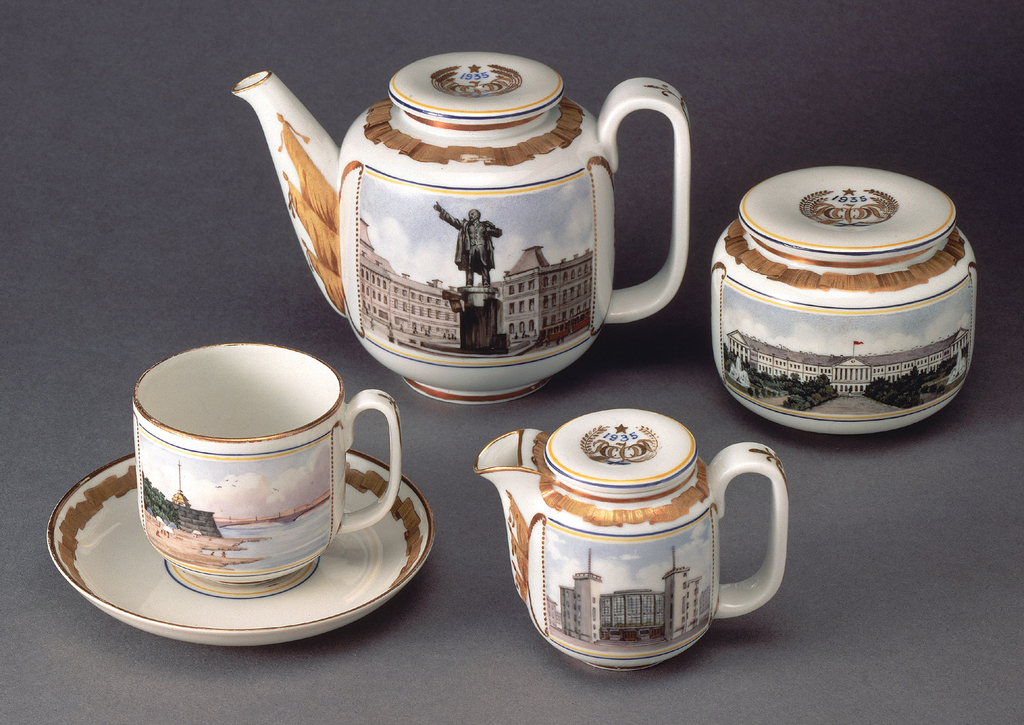
Example of visual style of Bauhaus Movement

Bauhaus Movement

The Bauhaus Movement was a revolutionary art and design movement that emerged in Germany during the early 20th century. Founded in 1919 by architect Walter Gropius, the Bauhaus aimed to unite fine arts, craftsmanship, and industrial design. It became famous for its interdisciplinary approach, combining elements of modernism, functionalism, and the fine arts. The movement stressed the importance of simplicity, functionality, and the use of geometric forms. The Bauhaus had a significant impact on architecture, graphic design, typography, furniture design, and the overall visual culture. It was active until 1933 when it was shut down by the Nazis for its perceived radicalism.

View StyleExplore Style
Example of visual style of Charles And Ray Eames

Charles And Ray Eames

The Charles and Ray Eames style emerged during the mid-20th century, primarily in the 1940s to 1970s. Known for their innovative and playful approach, Charles and Ray Eames were a husband and wife duo who made significant contributions to various design disciplines, including furniture, architecture, graphic design, and film. They are particularly famous for their groundbreaking furniture designs which combined functionality, modern aesthetics, and mass production techniques. Their use of new materials such as molded plywood and fiberglass revolutionized the furniture industry and made their creations iconic symbols of the era.

View StyleExplore Style
Example of visual style of Eduard Hoffmann

Eduard Hoffmann

Eduard Hoffmann was a Swiss typographer and designer, best known for his collaboration with Max Miedinger on creating the Helvetica typeface in 1957. This minimalist and neutral sans-serif font became one of the most widely used typefaces in the world, and its popularity endured for decades. Hoffmann's design style was characterized by its simplicity, clarity, and rationality, which made it suitable for diverse design applications across different mediums. His work greatly influenced the development of modern typography and set a benchmark for legibility and functional design.

View StyleExplore Style
Example of visual style of Ettore Sottsass

Ettore Sottsass

Ettore Sottsass was an Italian architect and designer who became famous for his unique and avant-garde design style. His career spanned from the 1950s to the 2000s, but he made a significant impact during the 1980s with the creation of the Memphis Group. Sottsass is known for his bold use of bright colors, geometric shapes, and unconventional materials. His designs often combine functionality with artistic expression, challenging traditional design norms and embracing a postmodern aesthetic.

View StyleExplore Style
Example of visual style of George Nelson

George Nelson

George Nelson was an American industrial designer and architect who made a significant impact on American modernism during the mid-20th century. His work gained fame primarily during the 1940s to 1960s. Nelson's style is characterized by clean lines, organic shapes, and a playful yet functional approach to design. He is best known for his innovative furniture designs, including the iconic Marshmallow Sofa and the Nelson Platform Bench, which became symbols of the mid-century modern aesthetic.

View StyleExplore Style
Example of visual style of George Sowden

George Sowden

George Sowden is an Italian-born designer who is known for his bold and colorful visual style. His style emerged in the 1980s and became famous for its vibrant and playful aesthetic. Sowden is well-known for his use of primary colors and geometric patterns, which give his designs a sense of energy and dynamism. His style is characterized by a combination of graphic design and product design, with a focus on creating functional yet visually striking objects. Sowden's work has influenced many contemporary designers and has been widely recognized and exhibited around the world.

View StyleExplore Style
Example of visual style of Henry Dreyfuss

Henry Dreyfuss

Henry Dreyfuss was an American industrial designer who revolutionized the field of industrial design in the 20th century. His style, prevalent during the 1930s to 1950s, focused on creating functional, user-friendly and aesthetically pleasing designs. Dreyfuss believed that design should be centered around the needs and habits of the user, and his work is characterized by its ergonomic approach, simplicity, and efficiency. His famous designs include the iconic Bell Telephone, Honeywell thermostat, and the 20th Century Limited locomotive. His emphasis on human-centered design and user experience made him a pioneer in the field of industrial design.

View StyleExplore Style
Example of visual style of Herman Miller

Herman Miller

Herman Miller is a modernist visual style that emerged in the mid-20th century. It became famous for its innovative furniture designs and emphasis on functionality, minimalism, and clean lines. The style was popularized and made famous by the American furniture manufacturer Herman Miller Inc., especially during the 1940s to the 1960s. Their iconic furniture pieces, such as the Eames Lounge Chair and the Noguchi Table, are considered design classics and epitomize the Herman Miller style.

View StyleExplore Style
Example of visual style of Jean Patou

Jean Patou

Jean Patou was a French fashion designer known for his innovative and luxurious designs. His visual style, popular during the 1920s and 1930s, was characterized by a combination of elegance, simplicity, and opulence. Patou was famous for introducing sportswear into high fashion and for his use of bold colors and patterns. He made women's fashion more functional and comfortable while maintaining a sense of sophistication. His glamorous designs became popular among the elite and influential figures of the time.

View StyleExplore Style
Example of visual style of Louis Sullivan

Louis Sullivan

Louis Sullivan was an American architect known as the father of skyscrapers. His visual style, popular in the late 19th and early 20th centuries, is characterized by intricate ornamentation and the use of organic forms. Sullivan's style became famous for its integration of art and architecture, emphasizing the functional and aesthetic aspects of buildings. His designs epitomized the Chicago School of Architecture and laid the foundation for modern American architecture.

View StyleExplore Style
Example of visual style of Machine Age

Machine Age

Machine Age, also known as the Industrial style, emerged during the early 20th century (approximately 1910-1940). This visual style was influenced by the rapid advancements in technology and the rise of industrialization. It was characterized by an emphasis on geometric shapes, streamlined forms, and a celebration of industrial materials such as steel, glass, and concrete. Machine Age became famous for its sleek and futuristic aesthetic, inspired by the efficiency and precision of machines. It represented a departure from the ornate and decorative styles of the past, embodying a more minimalist and functional approach to design.

View StyleExplore Style
Example of visual style of Michele De Lucchi

Michele De Lucchi

Michele De Lucchi is an Italian architect and designer known for his organic and innovative designs. He first became famous in the 1980s as one of the founding members of the Memphis Group, a design collective that challenged traditional notions of form and function. De Lucchi's style is characterized by bold colors, geometric shapes, and experimental materials. His work often incorporates a sense of playfulness and whimsy, while maintaining a functional and practical approach.

View StyleExplore Style
Example of visual style of Mid Century Modern

Mid Century Modern

Mid Century Modern, also known as 'MCM', was a design style popular from the mid-1940s to the late 1960s. Renowned for its simplicity and functionality, this style is characterized by clean lines, organic shapes, and a focus on bringing the outdoors in. Influenced by the Bauhaus and Scandinavian design, Mid Century Modern became famous for its sleek furniture, innovative use of materials like plywood and fiberglass, and its emphasis on creating harmony between form and function.

View StyleExplore Style
Example of visual style of Mid Century Modern Design

Mid Century Modern Design

Mid Century Modern Design is a style that emerged in the mid-20th century (approximately 1930s to 1960s) and became famous for its functional and minimalist approach to design. It is characterized by clean lines, organic shapes, and a focus on functionality and simplicity. This style gained popularity after World War II as a response to the ornate and decorative design styles of the past. Mid Century Modern Design is known for its use of materials such as plastic, plywood, and metal, as well as its integration of indoor and outdoor spaces.

View StyleExplore Style
Example of visual style of Modernist Typography

Modernist Typography

Modernist Typography refers to a design style that emerged in the early 20th century and gained prominence in the 1920s and 1930s. It is characterized by a clean and minimalist approach, with an emphasis on geometric shapes, asymmetry, and the use of sans-serif typefaces. Modernist Typography sought to break away from ornate and decorative design, focusing instead on the functional and utilitarian aspects of typography. The movement was heavily influenced by the Bauhaus School and its philosophy of form following function. The use of grid systems, experimental layouts, and the exploration of new printing techniques were key features of Modernist Typography. It is famous for its association with influential designers like Herbert Bayer, Jan Tschichold, and Josef Müller-Brockmann.

View StyleExplore Style
Example of visual style of Radical Design

Radical Design

Radical Design was a movement that emerged in Italy during the late 1960s and 1970s. It was known for its avant-garde and unconventional approach to design, challenging traditional notions of functionality and aesthetics. This style gained fame for its innovative and provocative designs that embraced anti-establishment ideologies and socio-political commentary. It was marked by bright colors, bold shapes, and the use of unconventional materials. Radical Design sought to break free from the constraints of mainstream design and create objects that were both functional and thought-provoking.

View StyleExplore Style
Home