
StylopediaStylopedia

Framing styles on Stylopedia

A visual encyclopedia of framing styles – use as prompt inspiration for Midjourney, Gemini, or ChatGPT AI when making framing images

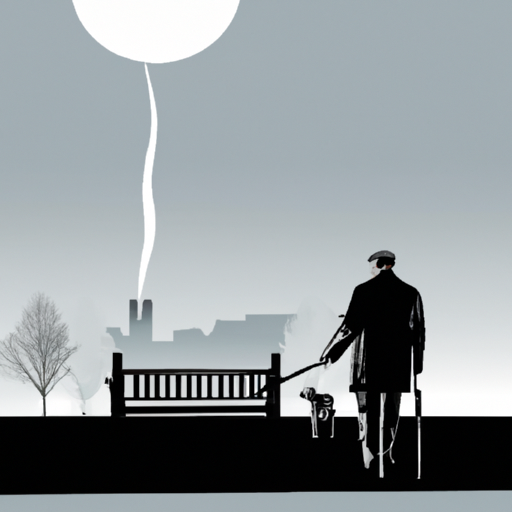
Example of visual style of Alfred Hitchcock

Alfred Hitchcock

Alfred Hitchcock's visual style, prominent from the 1940s to the 1960s, is characterized by tension, suspense, and a meticulously crafted cinematic experience. Hitchcock's mastery of camera angles, framing, and editing techniques revolutionized the thriller genre. His use of long takes, clever perspectives, and innovative camera movements, such as the famous dolly zoom, created a sense of unease and heightened emotions in his audience. Hitchcock was known for his meticulous attention to detail and his ability to create suspenseful narratives through visual storytelling. His innovative techniques and psychological thrillers, such as 'Psycho' and 'Vertigo,' made him a legend in cinema history.

View StyleExplore Style

Example of visual style of Cinematographers

Cinematographers

Cinematographers is a visual style that focuses on the art and technique of capturing and composing images with a camera. It emerged in the late 19th century and gained prominence in the early 20th century with the advent of motion pictures. This style became famous for its ability to manipulate lighting, framing, and movement to create visually stunning and emotionally impactful scenes. Cinematographers use various techniques such as depth of field, camera angles, and tracking shots to enhance storytelling and evoke specific moods. Some renowned cinematographers include Gregg Toland, Vittorio Storaro, and Emmanuel Lubezki.

View StyleExplore Style
Example of visual style of George Romero

George Romero

George Romero, a prominent filmmaker in the horror genre, was known for his distinctive visual style, especially in his later films. His style emerged in the late 1960s and continued throughout the 1970s and 1980s, making him one of the most influential directors in the genre. Romero's visual style was characterized by his innovative use of lighting, shadows, and framing techniques to create a sense of dread and horror. He often employed low-budget techniques, such as handheld cameras and practical effects, to create a visceral and gritty aesthetic. Romero's films were famous for their social commentaries on consumerism, racism, and other contemporary issues.

View StyleExplore Style
Home