
StylopediaStylopedia

Fragility styles on Stylopedia

A visual encyclopedia of fragility styles – use as prompt inspiration for Midjourney, Gemini, or ChatGPT AI when making fragility images

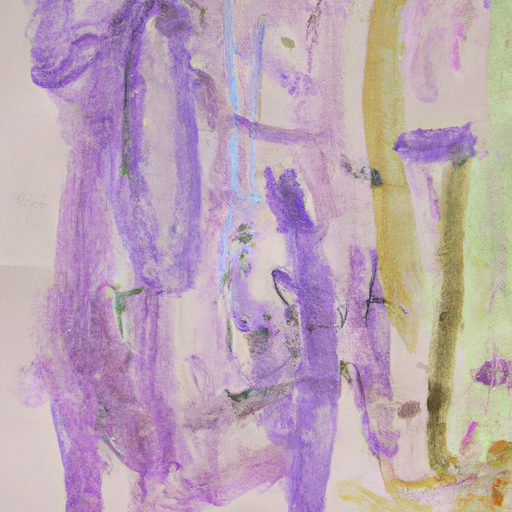
Example of visual style of Cy Twombly

Cy Twombly

Cy Twombly is a visual style characterized by abstract and gestural paintings. Born in 1928, Twombly emerged as a prominent artist in the 1950s and gained recognition for his expressive and calligraphic works. Twombly's style is known for its dynamic brushwork, scribbles, and drips, often combining elements of drawing and painting. His works are emotionally charged and full of lyricism, evoking a sense of spontaneity and raw creativity. Twombly's art became famous for its unique blend of graffiti-like mark-making and references to classical mythology. Throughout his career, he explored themes of love, sexuality, and the fragility of human existence. His style has influenced subsequent generations of artists.

View StyleExplore Style
Example of visual style of Damien Hirst

Damien Hirst

A controversial and provocative style known for its bold and audacious artwork. Damien Hirst rose to fame in the 1990s for his conceptually driven and often confrontational pieces, which revolved around themes of death, mortality, and the fragility of life. Hirst became famous for his use of unconventional materials, such as preserved animals, pharmaceuticals, and laboratory equipment, presented in stark and clinical displays. The combination of shock value, meticulous craftsmanship, and provocative subject matter propelled Hirst to become one of the most prominent artists of his generation.

View StyleExplore Style
Example of visual style of Giacometti

Giacometti

Giacometti is a visual style that emerged in the mid-20th century, specifically in the 1940s and 1950s, and is associated with the Swiss sculptor and painter Alberto Giacometti. This style became famous for its distinctive elongated and thin figures, often characterized by a sense of isolation and existential angst. Giacometti's work emphasized the human form, depicting figures that seemed to be stretched to their limits, capturing the fragility and vulnerability of the human condition.

View StyleExplore Style
Home