StylopediaStylopedia

Found objects styles on Stylopedia

A visual encyclopedia of found objects styles – use as prompt inspiration for Midjourney, Gemini, or ChatGPT AI when making found objects images

Example of visual style of Arman

Arman

Arman is a visual style that emerged in the mid-20th century during the 1950s and 1960s. It is associated with the French artist Arman (1928-2005), who was one of the key figures of the Nouveau Réalisme movement. Arman is known for his exploration of the relationship between art and everyday objects, often incorporating found objects and assemblages in his works. His style became famous for its emphasis on accumulation, repetition, and the use of everyday materials. Arman's innovative approach challenged traditional notions of artistic creation and expanded the boundaries of art.

View StyleExplore Style
Example of visual style of Art Povera

Art Povera

Art Povera is an artistic movement that emerged in Italy in the late 1960s. It is characterized by the use of ordinary and often 'poor' materials such as rocks, dirt, found objects, and organic matter. This style aims to challenge traditional artistic conventions and create a raw and rustic aesthetic. Art Povera gained fame for its emphasis on the concept of 'poor art', rejecting expensive and refined materials in favor of humble and easily accessible ones. This movement peaked in the 1970s, influencing contemporary art and inspiring artists to explore new approaches to materials and content.

View StyleExplore Style
Example of visual style of Betye Saar

Betye Saar

Betye Saar is a visual artist known for her distinctive assemblage art. She gained recognition in the 1960s and 1970s for her powerful exploration of race, gender, and identity in American society. Saar's work often incorporates found objects, such as old photographs, dolls, and furniture, which she arranges into thought-provoking and thought-provoking compositions. Through her art, Saar addresses themes of racial inequality, cultural stereotypes, and the African American experience, highlighting the importance of social and political issues. Her works have become iconic symbols of the Black Arts Movement and continue to influence contemporary artists.

View StyleExplore Style
Example of visual style of Julian Schnabel

Julian Schnabel

Julian Schnabel is a visual style that emerged in the late 1970s and gained prominence in the 1980s. Schnabel is a contemporary American artist known for his expressive and eclectic artworks. His visual style is characterized by bold and vibrant colors, gestural brushwork, and a combination of various materials such as broken plates, mirrors, and other found objects. Schnabel's style is marked by a sense of raw energy and emotional intensity, often creating large-scale paintings with rich textures and layers. He became famous for his 'plate paintings,' where he utilized shards of broken ceramic plates to create intricately textured surfaces. Schnabel's style challenges traditional notions of representation and explores the boundaries between abstraction and figuration.

View StyleExplore Style
Example of visual style of Kurt Schwitters

Kurt Schwitters

Kurt Schwitters was a German artist known for his innovative and influential collages. He developed the artistic movement Merz, which emerged in the early 20th century. Schwitters created collages by combining found objects, newspaper clippings, and other materials, often integrating text and typography. His work was characterized by its abstract and geometric compositions, as well as its use of everyday materials. Schwitters' art gained recognition in the 1920s and 1930s, and he is considered one of the most important figures in Dada and Constructivist movements.

View StyleExplore Style
Example of visual style of Lois Ehlert

Lois Ehlert

Lois Ehlert is known for her vibrant and playful visual style that captures the essence of nature and childhood. She gained popularity in the late 1980s and early 1990s with her unique collage illustrations in children's books. Ehlert's signature style combines vivid colors, bold shapes, and textured patterns, creating a visually stimulating experience for young readers. Her books often feature cut-paper illustrations that are arranged in a dynamic and engaging manner. Ehlert's use of found objects, natural materials, and bright hues brings her artwork to life and invites readers into a world of imagination and discovery.

View StyleExplore Style
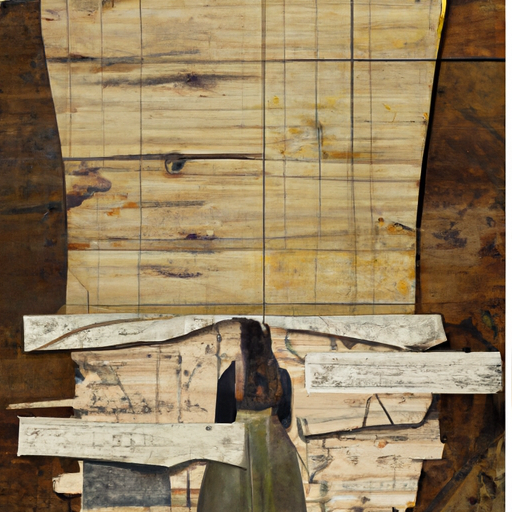
Example of visual style of Louise Nevelson

Louise Nevelson

Louise Nevelson is known for her unique assemblage artworks that incorporated found objects and displayed a monochromatic, abstract aesthetic. Her style emerged in the mid-20th century, gaining significant recognition in the 1950s and 1960s. Nevelson's fame stems from her pioneering approach to sculpture, utilizing discarded materials and constructing large-scale installations. Her works often evoke a sense of mystery and grandeur, with intricately layered compositions and a focus on the interplay of light and shadow.

View StyleExplore Style
Example of visual style of Mixed Media Art

Mixed Media Art

Mixed Media Art is a style that incorporates various materials, techniques, and mediums to create artwork. It emerged as a prominent artistic style in the mid-20th century and gained popularity in the 1960s and 1970s. This style became famous for its ability to combine traditional and unconventional materials such as paint, collage, found objects, photography, and digital elements. Mixed Media Art encourages experimentation and often results in visually captivating and conceptually rich creations.

View StyleExplore Style
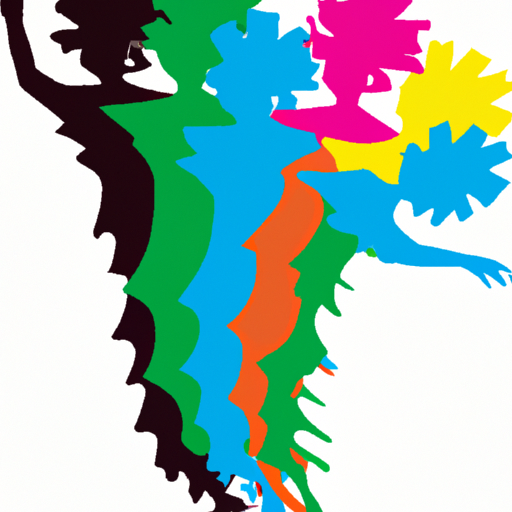
Example of visual style of Neo Dadaism

Neo Dadaism

Neo Dadaism is an avant-garde art movement that emerged in the 1950s and 1960s. It was a reaction against the rationalism and conformity of the post-World War II era. Neo Dadaist artists sought to challenge traditional notions of art by embracing random and absurd elements in their work. They used unconventional materials, performance art, and found objects to create provocative and often nonsensical pieces. Neo Dadaism became famous for its rejection of traditional artistic boundaries and its exploration of the relationship between art and everyday life.

View StyleExplore Style
Example of visual style of Nouveau Realisme

Nouveau Realisme

Nouveau Realisme, also known as New Realism, was an art movement that emerged in France in the early 1960s. It gained popularity during the years 1960-1970. The movement was famous for combining art with everyday objects and materials, blurring the boundaries between art and reality. Artists associated with Nouveau Realisme aimed to depict the world as it was, focusing on urban life, consumerism, and the industrial landscape. They often employed collage, assemblage, and found objects to create their artworks. Nouveau Realisme challenged the traditional notions of art, emphasizing the importance of the ordinary and the real.

View StyleExplore Style
Example of visual style of Robert Rauschenberg

Robert Rauschenberg

Robert Rauschenberg was an American artist known for his innovative and interdisciplinary approach to art. His style emerged in the 1950s and became famous for its combination of various mediums, such as painting, printmaking, photography, and sculpture. Rauschenberg's style challenged traditional notions of art by incorporating found objects, everyday materials, and collage techniques into his work. He is recognized for his significant contributions to Pop Art and Neo-Dada movements. Rauschenberg's artistic style was characterized by experimentation, improvisation, and the blurring of boundaries between different artistic disciplines.

View StyleExplore Style
Example of visual style of Yba Young British Artists

Yba Young British Artists

Yba Young British Artists is a contemporary art movement that emerged in the late 1980s and gained prominence in the 1990s in the United Kingdom. Known for their provocative and controversial artworks, Yba challenged traditional artistic boundaries and exhibited a diverse range of mediums including installations, sculptures, paintings, and photography. They became famous for their shock tactics, use of found objects, and willingness to tackle taboo subjects. Yba became internationally renowned through the seminal exhibition 'Sensation' at the Royal Academy of Arts in 1997, which showcased their work and solidified their status as one of the most influential art movements of the time.

View StyleExplore Style
Home