Product Design
Product Design is a style characterized by clean lines, minimalist aesthetics, and functional design. It became famous in the mid-20th century for blending form and function seamlessly.
View StyleExplore Style Stylopedia
A visual encyclopedia of form and function styles – use as prompt inspiration for Midjourney, Gemini, or ChatGPT AI when making form and function images
Product Design is a style characterized by clean lines, minimalist aesthetics, and functional design. It became famous in the mid-20th century for blending form and function seamlessly.
View StyleExplore Style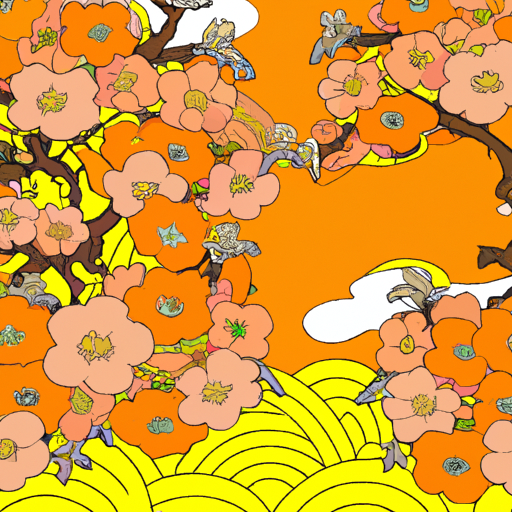
Japanese Design is a style that emerged during the Edo period (1603-1868) and continues to be influential in contemporary design. It is known for its minimalism, refinement, and attention to detail. The beauty of imperfection and simplicity are key elements in this style. The use of natural materials such as wood and paper, as well as the incorporation of traditional craftsmanship techniques, are distinctive features. Japanese Design gained international recognition in the late 19th century through the works of artists like Hokusai and Hiroshige, who popularized the Ukiyo-e woodblock prints. The harmony between form and function along with the integration of nature are core principles that made Japanese Design famous.
View StyleExplore Style
Raymond Loewy was an industrial designer who was active from the 1930s to the 1970s. He is known for pioneering the concept of streamlining in design, which became popular during the post-World War II era. Loewy's designs were characterized by sleek and aerodynamic forms, clean lines, and a sense of speed. He introduced the idea of combining form and function, creating visually appealing designs that were also practical and efficient. Some of his most famous designs include the Shell and Exxon logos, the Greyhound bus, and the Studebaker Avanti. Loewy played a crucial role in shaping the visual identity of several iconic American brands.
View StyleExplore Style
Thomas Harrington is a visual style that emerged in the late 20th century and gained popularity in the 21st century. Known for its minimalist and clean aesthetics, it became famous for its combination of bold colors, geometric shapes, and innovative typography. The style often showcases a balance between simplicity and sophistication, creating visually striking designs. Thomas Harrington's works are characterized by their attention to detail and precision, allowing for a seamless integration of form and function.
View StyleExplore Style