StylopediaStylopedia

Folklore styles on Stylopedia

A visual encyclopedia of folklore styles – use as prompt inspiration for Midjourney, Gemini, or ChatGPT AI when making folklore images

Example of visual style of Catalan Art

Catalan Art

Catalan Art is an artistic style that emerged in Catalonia, a region in northeastern Spain, during the late 19th and early 20th centuries. It gained prominence during the Modernisme movement, which was characterized by its emphasis on national identity and its rejection of the prevailing academic art. The style is known for its intricate and decorative designs, vibrant colors, and the integration of local traditions, folklore, and symbolism. Catalan Art became famous for its representation of the cultural and artistic renaissance happening in Catalonia at the time. Notable years for Catalan Art include the late 19th century to the early 20th century, with the works of artists such as Antoni Gaudí, Ramon Casas, and Joan Miró leaving a lasting impact on the style.

View StyleExplore Style
Example of visual style of Fairy Tale Illustration

Fairy Tale Illustration

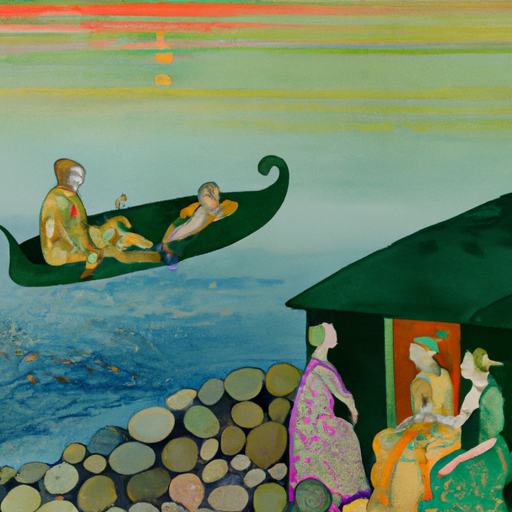
Fairy Tale Illustration is a visual style that emerged in the late 19th century and early 20th century, particularly during the Golden Age of Illustration. It became famous for its whimsical and enchanting portrayal of characters and scenes from fairy tales, folklore, and fantasy literature. Artists used rich and vibrant colors, intricate details, and a dreamlike atmosphere to bring these fantastical stories to life. Known for its imaginative and narrative-driven approach, Fairy Tale Illustration captured the hearts and imaginations of readers worldwide, becoming an integral part of the visual representation of fairy tales.

View StyleExplore Style
Example of visual style of Fantasy Filmmaking

Fantasy Filmmaking

Fantasy Filmmaking is a visual style characterized by its imaginative and magical elements. It often combines elements of mythology, folklore, and fairy tales to create a world of wonder and enchantment. This style gained popularity in the early 20th century with iconic films like 'The Wizard of Oz' (1939) and 'Snow White and the Seven Dwarfs' (1937). The use of vibrant colors, otherworldly creatures, and breathtaking landscapes are key features that made this style famous. It transports viewers to fantastical realms filled with dragons, witches, and heroic quests, captivating audiences with its sense of wonder and escapism.

View StyleExplore Style
Example of visual style of Kako Ueda

Kako Ueda

Kako Ueda is a Japanese contemporary artist known for her intricate paper cut artworks. She gained popularity in the early 2000s for her unique approach to paper cutting that incorporates elements of traditional Japanese art and folklore. Her works are characterized by delicate and intricate details, often depicting natural motifs and mythological creatures. Ueda's paper cut artworks have been exhibited internationally and have been the subject of numerous solo and group exhibitions.

View StyleExplore Style
Example of visual style of Korean Mythology

Korean Mythology

Korean Mythology is a visual style that draws inspiration from the ancient myths and folklore of Korea. It showcases the unique and vibrant aesthetic present in Korean culture, often incorporating elements such as nature, spirituality, and symbolism. This style became particularly famous during the Joseon Dynasty (1392-1897), when it was widely used in traditional paintings, architecture, and decorative arts. It gained popularity through the intricate depictions of mythical creatures, celestial beings, and epic tales, capturing the imagination of both locals and foreigners.

View StyleExplore Style
Example of visual style of Mimmo Paladino

Mimmo Paladino

Mimmo Paladino is an Italian artist known for his unique visual style that combines modern and primitive elements. Born in 1948, Paladino rose to prominence in the 1980s with his distinctive imagery characterized by simplified figures, bold lines, and vibrant colors. His style draws inspiration from ancient art, folklore, and mythology, intertwining them with contemporary visual language. Paladino's artworks often convey a sense of mystery and spirituality, inviting viewers to explore the depths of the subconscious. His innovative approach to figurative art made him a leading figure in the Italian Transavanguardia movement, gaining international recognition for his work.

View StyleExplore Style
Example of visual style of Robert Eggers

Robert Eggers

Robert Eggers is a filmmaker known for his distinct gothic visual style. His films are characterized by meticulously crafted period settings, dark and moody cinematography, and a focus on folklore and historical authenticity. Eggers rose to fame with his debut film 'The Witch' in 2015, which gained critical acclaim for its atmospheric visuals and emphasis on psychological horror. He further solidified his style with his second feature, 'The Lighthouse' in 2019, which showcased his commitment to recreating 19th-century aesthetics and haunting imagery.

View StyleExplore Style
Example of visual style of Siberian Art

Siberian Art

Siberian Art is a visual style that emerged in the early 20th century, particularly between the 1900s and 1930s, in Siberia, Russia. It gained significant prominence during the Soviet era. This style is characterized by its unique blend of traditional Siberian folklore, Russian symbolism, and indigenous cultures. Siberian Art became famous for its portrayal of the vast landscapes, wildlife, and the spiritual connection between humans and nature. It often features vibrant colors, intricate patterns, and a mystical atmosphere, depicting the life and traditions of the indigenous Siberian people.

View StyleExplore Style
Example of visual style of Torii School

Torii School

Torii School is a traditional Japanese painting style that flourished during the Edo period (1603-1868). It is named after the Torii family, who were renowned artists of this style. Torii School became famous for its vibrant and dynamic illustrations, typically depicting kabuki actors, historical events, and folklore. The style gained popularity due to its ability to capture the dramatic expressions and movements of the subjects, making the paintings come alive.

View StyleExplore Style
Home