
Alebrije Art
Vibrant and intricate Mexican folk art style originating in the 1930s. Known for fantastical creatures and bright colors.
View StyleExplore Style Stylopedia
A visual encyclopedia of folk art styles – use as prompt inspiration for Midjourney, Gemini, or ChatGPT AI when making folk art images
Vibrant and intricate Mexican folk art style originating in the 1930s. Known for fantastical creatures and bright colors.
View StyleExplore Style
Ammi Phillips was an American folk artist known for his distinctive portrait style. Active in the early to mid 19th century, he gained fame for his brightly colored, stylized portraits that captured the essence of his sitters.
View StyleExplore Style
Bhupen Khakhar's style combines influences from folk art with modernist techniques, often portraying everyday life with bold colors and simplified forms. His work gained popularity in the late 20th century for its unique blend of traditional and contemporary elements.
View StyleExplore Style
Clementine Hunter's style is characterized by colorful paintings depicting life on a Louisiana plantation. Her work gained fame in the 20th century for its historical significance and unique perspective.
View StyleExplore Style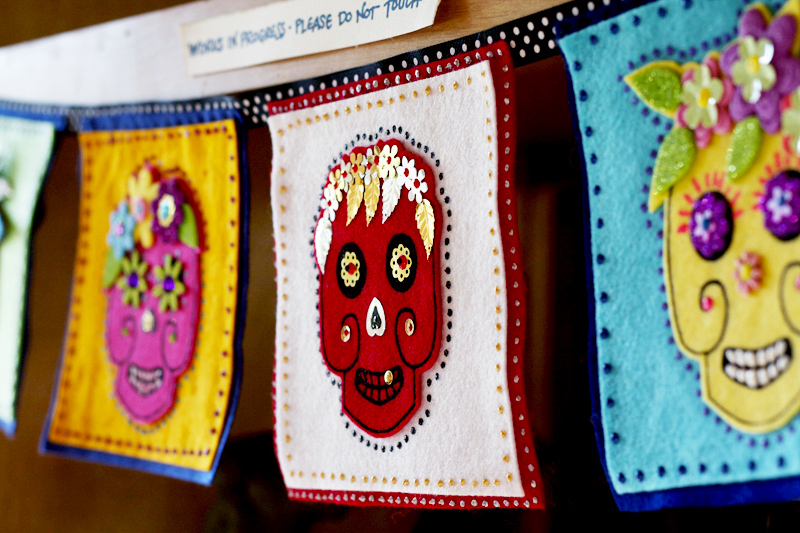
Day of the Dead Art, also known as Día de los Muertos Art, is a traditional Mexican folk art style that is characterized by colorful and intricate designs depicting skeletons, skulls, and other symbols of death. It became famous in the 20th century as a way to honor deceased loved ones during the Day of the Dead festival.
View StyleExplore Style
Edward Hicks was an American folk artist known for his iconic paintings of The Peaceable Kingdom. His style is characterized by detailed depictions of animals and vibrant color palette.
View StyleExplore Style
The Folk Art Museum style is characterized by vibrant colors, intricate patterns, and detailed craftsmanship, often created by self-taught or folk artists from the 18th century to the present. This style gained popularity for its unique and cultural expressions.
View StyleExplore Style
Gerhard Munthe was a Norwegian artist known for his intricate and colorful decorative style, influenced by traditional Norwegian folk art. Active in the late 19th and early 20th centuries, his work popularized the use of vibrant colors and intricate patterns in design.
View StyleExplore Style
A traditional form of Indian folk art originating from the Gond tribal community in central India. Known for intricate patterns, vibrant colors, and nature-inspired motifs. Popularized in the 20th century through the work of artists like Jangarh Singh Shyam.
View StyleExplore Style
Grandma Moses was known for her folk art paintings that depicted rural life and landscapes in a simplistic and nostalgic style. Her artwork gained popularity in the 1940s and 1950s, making her one of the most recognized American artists of the 20th century.
View StyleExplore Style
Harriet Powers was an African American folk artist known for her artistic quilts. She gained popularity in the late 19th century for her intricate storytelling quilts that depicted biblical stories and African American life.
View StyleExplore Style
Helen Lafrance is known for her folk art paintings depicting rural scenes in the American South. Her style became famous in the early 2000s for its nostalgic and emotional qualities.
View StyleExplore Style
Hemslojd is a Swedish folk art style that emerged in the 19th century, known for its intricate floral patterns, bright colors, and traditional craftsmanship. This style became famous for its use in traditional Swedish handicrafts and home decorations.
View StyleExplore Style
Howard Finster was a self-taught artist known for his vibrant and colorful folk art paintings, often featuring biblical imagery and pop culture references. His work gained fame in the late 20th century for its whimsical and visionary style.
View StyleExplore Style
Ivana Seric is a Croatian artist known for her vibrant and playful approach to illustration. Her style is characterized by bold colors, whimsical characters, and intricate patterns, drawing inspiration from folk art and nature. Her work gained popularity in the 2010s for its unique blend of traditional and modern elements.
View StyleExplore Style
Lidija Bajuk is a visual style that combines elements of folk art, traditional craft, and modern design. This style gained popularity in the late 20th century for its unique fusion of old and new aesthetics.
View StyleExplore Style
The Lisa Congdon style is known for its colorful and whimsical illustrations, characterized by bold shapes and intricate patterns. Her work gained popularity in the late 2000s for its unique blend of folk art and modern design.
View StyleExplore Style
Madhubani Art is a traditional folk art form originating from the Mithila region in India. It dates back to ancient times and is characterized by intricate designs, vibrant colors, and themes inspired by nature, mythology, and Hindu deities.
View StyleExplore Style
Maqbool Fida Husain, also known as MF Husain, was a prominent Indian artist known for his bold and vibrant paintings that often depicted Indian mythology and culture. His unique style, which emerged in the 1940s, combined elements of cubism and Indian folk art, making him one of the most celebrated artists in India.
View StyleExplore Style
The Mingei Movement was a Japanese folk art movement that emerged in the early 20th century, championed by Yanagi Soetsu. It emphasized the beauty of simple, utilitarian objects crafted by anonymous artisans, celebrating the beauty of everyday life.
View StyleExplore Style
Minhwa Painting is a traditional Korean folk art that emerged in the Joseon Dynasty (1392-1910). It is characterized by vibrant colors, stylized motifs, and a focus on everyday scenes and nature, reflecting the ideals and beliefs of the Korean people of that time.
View StyleExplore Style
Minnie Evans was an African American folk artist known for her vibrant and intricate drawings filled with spiritual and mystical symbols. Her work became famous in the 1960s for its unique blend of abstract and representational forms.
View StyleExplore Style
Modern Folk Artists is a visual style that emerged in the late 20th century, blending traditional folk art techniques with contemporary themes and aesthetics. This style gained popularity for its whimsical and vibrant portrayal of everyday life, often using bright colors and stylized forms.
View StyleExplore Style
Mose Tolliver is known for his colorful, folk art paintings characterized by bold lines and flat, bright colors. His work gained fame in the 1980s for its distinctive style and unique subject matter.
View StyleExplore Style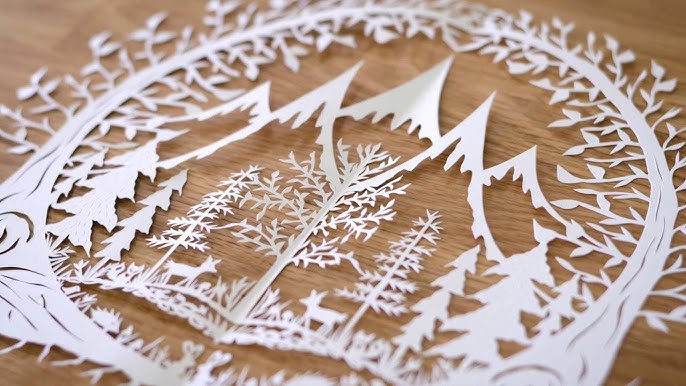
Paper Cutting Artists is a style of art that involves the intricate cutting and manipulation of paper to create detailed and visually stunning designs. Originating as early as 6th century AD in China, paper cutting gained popularity in Europe during the 16th century. This style became particularly famous for its use in decorative arts, such as the Scherenschnitte tradition in Germany, and for its association with various folk art traditions around the world.
View StyleExplore Style
Russ Pope's visual style is characterized by bold colors, whimsical characters, and a playful yet gritty aesthetic. His work often features a mix of street art, skate culture influences, and nods to folk art. Pope gained recognition in the mid-2000s for his unique approach to contemporary art.
View StyleExplore Style
Russian Revival is a visual style that emerged in Russia during the late 19th and early 20th centuries, drawing inspiration from traditional Russian architecture, folk art, and religious iconography. This style became famous for its intricate designs, vibrant colors, and incorporation of Slavic motifs.
View StyleExplore Style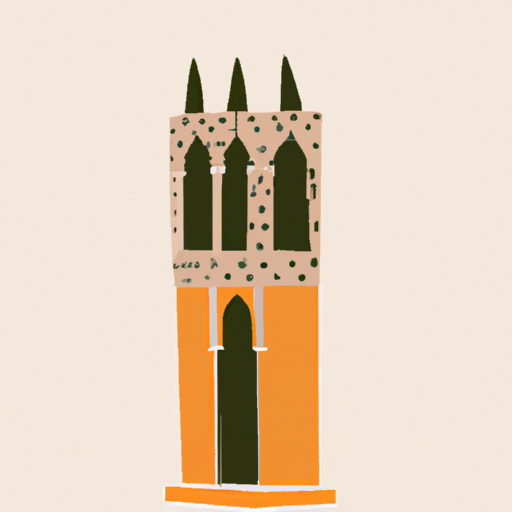
Sandro Chia is an Italian artist known for his figurative paintings. His style emerged in the 1980s and combines elements of neo-expressionism, post-modernism, and folk art. Chia's work gained fame for its vibrant colors, energetic brushwork, and bold compositions. His subjects often include mythological figures, animals, and self-portraits, which are imbued with symbolism and surrealism. Chia's distinctive style, rooted in both classical and contemporary influences, has made him a prominent figure in the art world.
View StyleExplore Style
The Southern School visual style emerged in the United States during the mid-20th century, characterized by its focus on rural landscapes, traditional craftsmanship, and folk art influences. This style gained fame for its nostalgic and romantic depictions of the American South.
View StyleExplore Style
Tal R's visual style is characterized by bold, vivid colors and playful, naïve forms. His work often blurs the line between abstraction and figuration, drawing inspiration from a wide range of sources including folk art, pop culture, and everyday life. Tal R rose to prominence in the early 2000s for his distinctive use of color and his ability to create a sense of depth and space on a two-dimensional surface.
View StyleExplore Style
Traditional Americana is a visual style inspired by 19th and early 20th century American culture, often featuring nostalgic imagery of small towns, farms, patriotism, and folk art. This style became famous through works of artists like Norman Rockwell and Grant Wood.
View StyleExplore Style
Truck Art is a popular form of folk art in South Asia, particularly in Pakistan and India. It involves the elaborate decoration of trucks with colorful and intricate designs, often featuring calligraphy, floral patterns, and religious motifs. This style became famous in the mid-20th century as a way for truck drivers to personalize their vehicles and showcase their identities and beliefs.
View StyleExplore Style