StylopediaStylopedia

Floral patterns styles on Stylopedia

A visual encyclopedia of floral patterns styles – use as prompt inspiration for Midjourney, Gemini, or ChatGPT AI when making floral patterns images

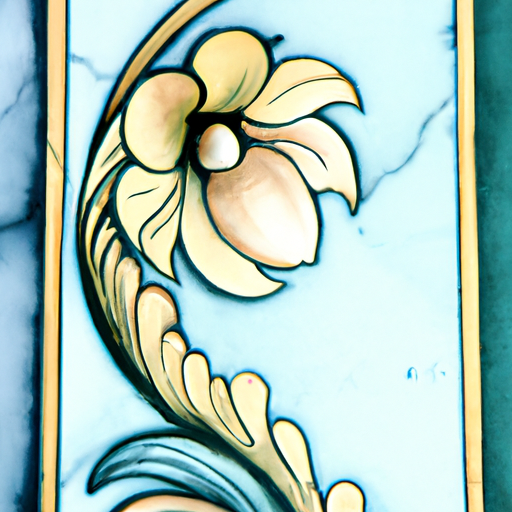
Example of visual style of Art Nouveau

Art Nouveau

Art Nouveau, which emerged in the late 19th century and lasted until around 1910, is an artistic style characterized by its curvilinear forms and organic motifs inspired by nature. It is known for its ornate and highly decorative designs, embracing flowing lines, floral patterns, and intricate details. Art Nouveau gained popularity as a reaction against the academic art of the time and became famous for its innovative use of materials and techniques, including stained glass, ironwork, and decorative arts. This style reached its height of influence during the Belle Époque, particularly in Europe and the United States.

View StyleExplore Style
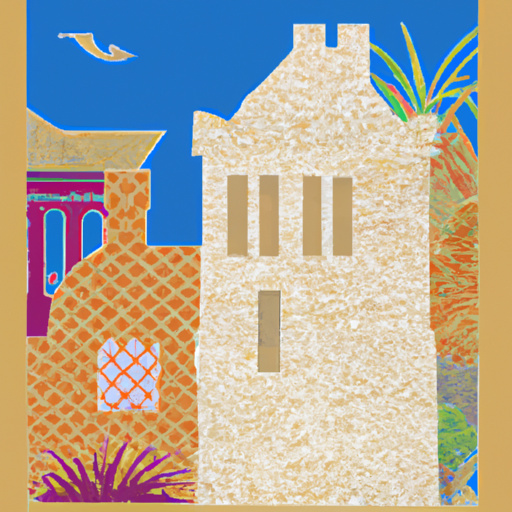
Example of visual style of Charles Rennie Mackintosh

Charles Rennie Mackintosh

Charles Rennie Mackintosh was a Scottish architect, artist, and designer who was active in the late 19th and early 20th centuries. He is well-known for his unique and influential style that combined elements of Art Nouveau and Japanese design with Scottish architecture. Mackintosh's style became famous for its emphasis on simplicity, geometric forms, and incorporation of natural motifs. His works, which included buildings, furniture, and decorative objects, were highly innovative and often featured clean lines, floral patterns, and the use of materials such as glass and iron. Mackintosh's designs had a lasting impact and helped shape the development of modern architecture and design.

View StyleExplore Style
Example of visual style of Delftware

Delftware

Delftware is a style of Dutch pottery originating in the 17th century and reaching its peak in the 18th century. It is characterized by intricate blue and white hand-painted designs on tin-glazed earthenware. Delftware gained popularity due to its resemblance to Chinese porcelain, which was highly esteemed at the time. The style became famous for its delicate craftsmanship, elaborate floral patterns, and scenic motifs depicting landscapes, seascapes, and cityscapes. Delftware was widely exported and became synonymous with Dutch ceramic production.

View StyleExplore Style
Example of visual style of Madeleine De Puisieux

Madeleine De Puisieux

Madeleine De Puisieux is a visual style that emerged in the 18th century France and became famous for its delicate and elegant aesthetics. It is characterized by its use of pastel colors, intricate details, and romantic motifs. This style gained popularity during the Rococo period, specifically in the years 1730 to 1770. Madeleine De Puisieux is known for her intricate designs in fashion and interior decoration, incorporating elements such as floral patterns, gilded accents, and ornate furniture. The style became famous for its ability to create a sense of opulence and luxury while maintaining a delicate and feminine appeal.

View StyleExplore Style
Example of visual style of Shabby Chic

Shabby Chic

Shabby Chic is a design style that emerged in the 1980s and became popular in the late 1990s and early 2000s. It is known for its vintage, worn, and slightly distressed aesthetic. The style often incorporates pastel colors, floral patterns, and antique or repurposed furniture. Rachel Ashwell, an English interior designer, is credited with popularizing the Shabby Chic look through her furniture and home decor stores. The style became famous for its ability to create a cozy, nostalgic atmosphere with a touch of elegance.

View StyleExplore Style
Home