StylopediaStylopedia

Floral motifs styles on Stylopedia

A visual encyclopedia of floral motifs styles – use as prompt inspiration for Midjourney, Gemini, or ChatGPT AI when making floral motifs images

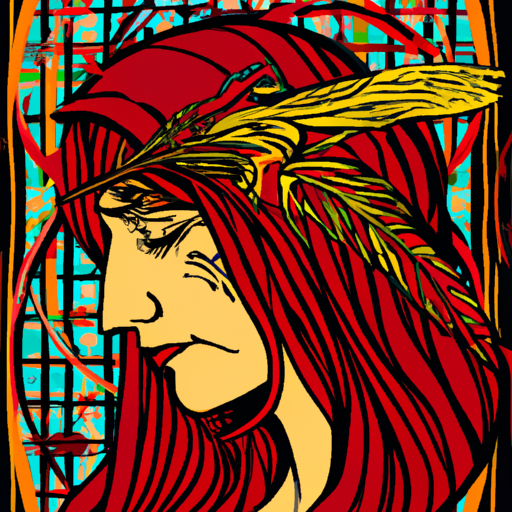
Example of visual style of Alphonse Mucha

Alphonse Mucha

Alphonse Mucha was an influential Art Nouveau artist in the late 19th and early 20th centuries. His distinctive style, characterized by intricate and ornamental designs, gained popularity through his iconic poster art. Mucha's work is known for its vibrant colors, elaborate floral motifs, and elegant female figures. This style became famous for capturing the essence of the Art Nouveau movement, which emphasized organic forms and decorative elements. Mucha's artistic contributions between 1890 and 1910 helped shape the visual landscape of the era.

View StyleExplore Style
Example of visual style of Arabesque Design

Arabesque Design

Arabesque Design is a style characterized by intricate and ornate patterns influenced by Islamic art. It emerged during the Islamic Golden Age from the 8th to the 15th centuries. Arabesque patterns are famous for their elaborate intertwining vines, leaves, and floral motifs, often combined with geometric shapes. These designs became increasingly popular in architecture, textiles, pottery, and book illumination. Arabesque Design is known for its symmetrical and repetitive patterns, emphasizing the interplay of light and shadow on surfaces. It is considered one of the most important and enduring visual styles of Islamic art and has influenced numerous other artistic movements throughout history.

View StyleExplore Style
Example of visual style of Cinna

Cinna

Cinna is a visual style that emerged during the 18th century and became famous for its opulence and intricacy. It was popularized by the French designer Pierre-Adrien Pâris, also known as Jean-Baptiste-Pierre Le Brun. Cinna's visual style is characterized by symmetrical and ornate designs, with a focus on decorative elements such as gilded accents, floral motifs, and grandiose proportions. This style reached its peak during the reign of Louis XVI and became synonymous with the grandeur of the Palace of Versailles and the French Rococo period.

View StyleExplore Style
Example of visual style of Georgia Green

Georgia Green

Georgia Green is a visual style that emerged in the early 20th century. It rose to prominence between the 1920s and 1950s. This style became famous for its vibrant use of the color green, inspired by the lush landscapes of Georgia. It features bold and organic shapes, incorporating elements from nature such as leaves, trees, and floral motifs. Georgia Green is often associated with Art Deco and the Art Nouveau movements, as it shares a similar emphasis on natural forms and decorative patterns.

View StyleExplore Style
Example of visual style of Islamic Art

Islamic Art

Islamic Art refers to the artistic traditions and designs that emerged in the Islamic world from the 7th century onwards and continue to be created today. This diverse style encompasses a wide range of mediums, including calligraphy, geometric patterns, arabesques, and intricate floral motifs. Islamic Art is characterized by its emphasis on intricate ornamentation, exquisite craftsmanship, and the prohibition of depicting human figures. Significant periods in Islamic Art include the Umayyad, Abbasid, Mughal, and Safavid eras. The art form gained worldwide recognition through its use in architectural wonders such as the Alhambra in Spain and the Taj Mahal in India.

View StyleExplore Style
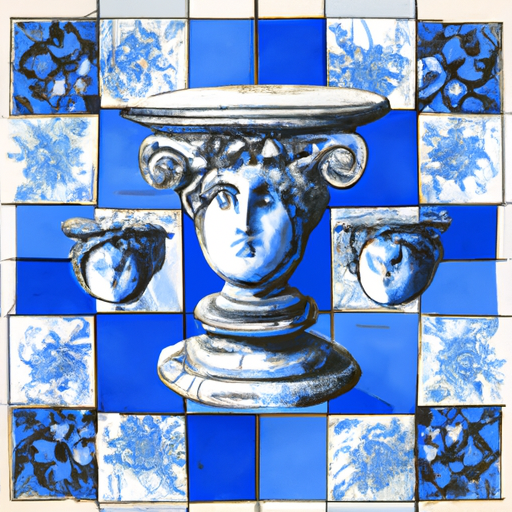
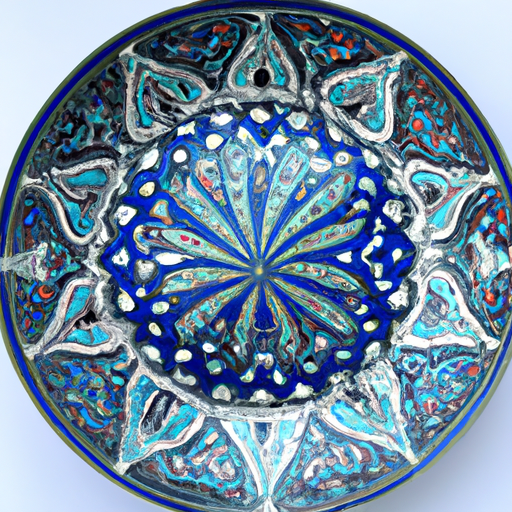
Example of visual style of Iznik Pottery

Iznik Pottery

Iznik Pottery is a style of ceramic art that originated in the town of Iznik, Turkey, during the 15th and 16th centuries. It became famous for its vibrant colors and intricate designs. The pottery featured a combination of floral, geometric, and calligraphic motifs, often in shades of blue, green, and red. Iznik Pottery gained popularity when it started producing decorative tiles and vessels for the Ottoman Empire, particularly during the reign of Sultan Suleiman the Magnificent. The exquisite craftsmanship, unique patterns, and rich cultural history contribute to its fame even today.

View StyleExplore Style
Example of visual style of Marquise De Pompadour

Marquise De Pompadour

Marquise De Pompadour is a visual style that emerged during the mid-18th century in France. It is named after Jeanne Antoinette Poisson, the Marquise de Pompadour, who was the official chief mistress of King Louis XV of France. This style is known for its elegance, sophistication, and extravagant details. It flourished between the years of 1745 and 1755, during the Rococo period. The Marquise de Pompadour was a prominent patron of the arts and played a significant role in promoting the Rococo style, which became popular in Europe during her time. The visual style is characterized by its opulent and exquisite ornamentation, delicate pastel colors, asymmetrical compositions, curvaceous forms, and floral motifs.

View StyleExplore Style
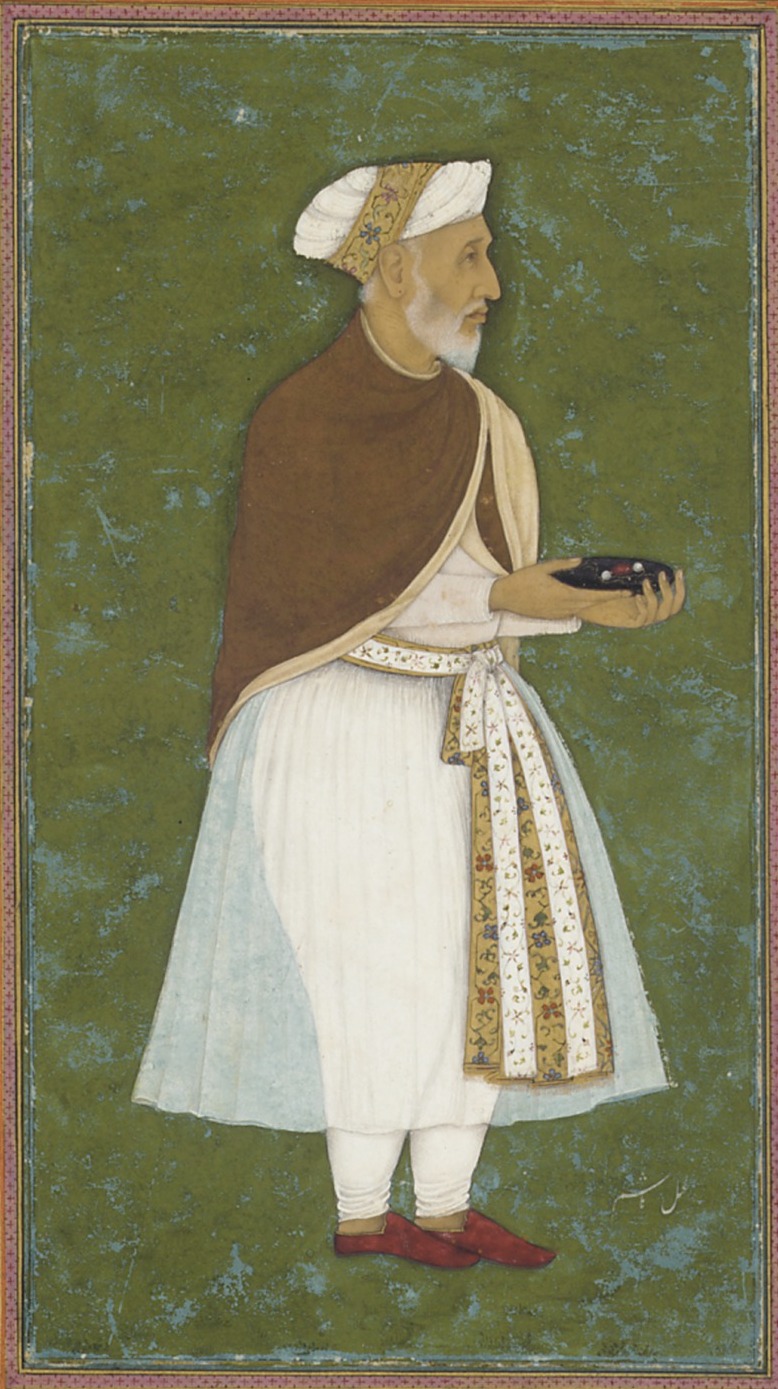
Example of visual style of Nur Jahan

Nur Jahan

Nur Jahan is a Mughal visual style that emerged in the late 16th century and continued through the early 17th century in the Mughal Empire of South Asia. It is named after Empress Nur Jahan, who was a powerful and influential figure during the reign of Emperor Jahangir. This style is characterized by its intricate and delicate craftsmanship, vibrant colors, and fusion of Persian and Indian artistic elements. It is famous for its exquisite miniature paintings, floral motifs, and the depiction of royal courts and gardens. Nur Jahan's patronage of the arts and her emphasis on luxury and refinement greatly contributed to the popularity and recognition of this visual style.

View StyleExplore Style
Home