StylopediaStylopedia

Flamboyant styles on Stylopedia

A visual encyclopedia of flamboyant styles – use as prompt inspiration for Midjourney, Gemini, or ChatGPT AI when making flamboyant images

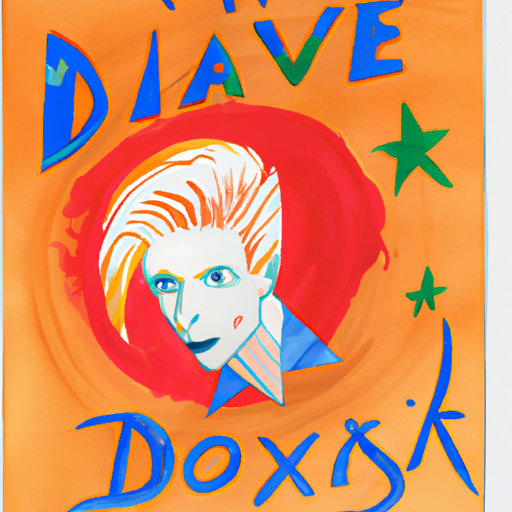
Example of visual style of David Bowie

David Bowie

The David Bowie style emerged in the 1970s and became famous for its innovative and ever-evolving nature. Bowie's visual style was characterized by its flamboyance, gender-bending elements, and provocative fashion choices. With his theatrical alter egos, such as Ziggy Stardust and the Thin White Duke, Bowie created iconic looks that captivated audiences. His style blended elements of glam rock, punk, and avant-garde fashion, pushing boundaries and challenging societal norms.

View StyleExplore Style
Example of visual style of Emanuel Ungaro

Emanuel Ungaro

Emanuel Ungaro is a visual style that emerged in the 1960s and became famous for its vibrant and flamboyant designs. It is characterized by its use of bold colors, intricate patterns, and luxurious fabrics. Emanuel Ungaro, the French fashion designer, was known for his innovative and sensual approach to fashion, which brought a more avant-garde and daring aesthetic to the industry. His designs often featured asymmetrical cuts, ruffles, and draping, creating a sense of movement and femininity. Ungaro's style gained popularity in the 1980s and 1990s, and his creations were worn by many celebrities and fashion icons.

View StyleExplore Style
Example of visual style of Eric Idle

Eric Idle

The Eric Idle visual style refers to the distinctive aesthetic associated with British comedian and actor Eric Idle. It emerged during the 1970s and gained prominence through his work with the comedy group Monty Python. Eric Idle's visual style is characterized by a combination of absurdity, eccentricity, and surrealism. His comedic performances often showcase flamboyant costumes, exaggerated facial expressions, and frenetic physicality, creating a unique and highly entertaining experience for audiences.

View StyleExplore Style
Example of visual style of Freddie Mercury

Freddie Mercury

The visual style of Freddie Mercury, the iconic lead vocalist of the rock band Queen, was flamboyant, theatrical, and avant-garde. He rose to fame in the 1970s and 1980s, becoming one of the most influential and beloved figures in rock music history. Freddie Mercury's style was characterized by his extravagant stage outfits, including tight-fitting bodysuits, colorful and elaborate costumes, and stunning accessories such as capes and crowns. Known for his high-energy performances, Mercury's stage presence was captivating, and his fashion choices played a significant role in his legendary status.

View StyleExplore Style
Example of visual style of Glam Rock

Glam Rock

Glam Rock, also known as Glitter Rock, emerged in the early 1970s and reached its peak popularity in the mid-1970s. It is characterized by its extravagant and flamboyant aesthetic, combining elements of extravagant fashion, androgyny, theatrical makeup, and glitter. Glam Rock artists such as David Bowie, T. Rex, and Queen became famous for their theatrical performances and provocative fashion choices, which broke the boundaries of gender norms. With its emphasis on individualism, self-expression, and rebellion, Glam Rock became an iconic style in the music and fashion industries.

View StyleExplore Style
Example of visual style of Josephine Baker

Josephine Baker

Josephine Baker is a visual style that emerged in the 1920s and 1930s. This style is associated with the iconic and revolutionary performer, Josephine Baker, who was known for her daring and glamorous stage presence. The visual style is characterized by flamboyant and exotic elements inspired by Baker's African roots and her experiences in the Parisian entertainment scene. Josephine Baker's provocative dance moves and costumes, such as her famous banana skirt and feathered headpieces, captivated audiences and influenced fashion and art of the time.

View StyleExplore Style
Example of visual style of Mick Jagger

Mick Jagger

Mick Jagger refers to the visual style associated with Mick Jagger, the lead singer of The Rolling Stones, primarily during the 1960s and 1970s. This style became famous during the British Invasion and the rise of rock 'n' roll. Mick Jagger's style was characterized by flamboyant and eccentric fashion choices, often featuring tight-fitting clothing, vibrant colors, and bold patterns. His stage presence and energetic performances contributed to his iconic visual style, capturing the rebellious spirit of rock music.

View StyleExplore Style
Example of visual style of Miss Piggy

Miss Piggy

Miss Piggy is a visual style inspired by the iconic Muppet character of the same name. It emerged in the 1970s through the popular television show 'The Muppet Show'. The style is characterized by its flamboyant and extravagant aesthetic, featuring vibrant colors, bold patterns, and exaggerated fashion statements. Miss Piggy's style is famous for her glamorous outfits, including designer gowns, fur coats, and fabulous accessories. With her larger-than-life personality and unapologetic confidence, Miss Piggy became a fashion icon, representing empowerment and self-expression.

View StyleExplore Style
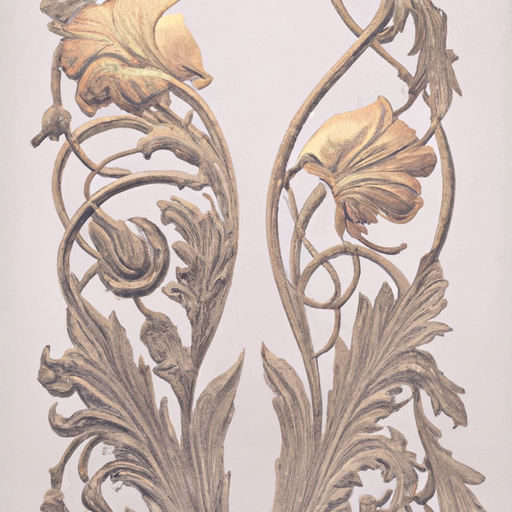
Example of visual style of Opulent Baroque

Opulent Baroque

Opulent Baroque was a highly ornate and decorative visual style that emerged in the late 17th century and reached its peak during the 18th century. It is characterized by extravagant and lavish design elements, including intricate detailing, lavish use of gold and other precious materials, and a sense of grandeur. Opulent Baroque architecture, art, and design were famous for their opulence and excessive ornamentation, aiming to impress and inspire awe. This style became prominent in Europe, particularly in countries like Italy, France, and Spain, and is known for its exuberance and flamboyance.

View StyleExplore Style
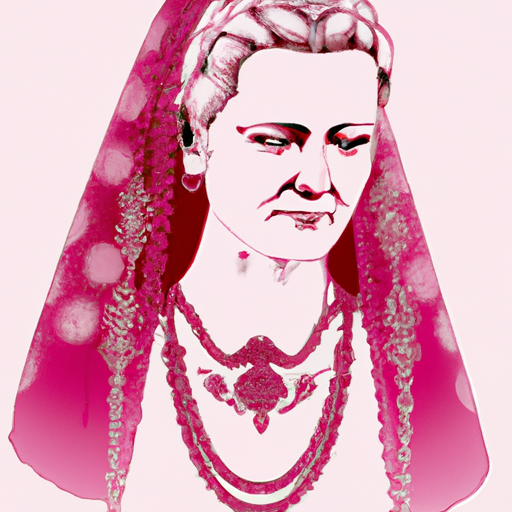
Example of visual style of Oscar Wilde

Oscar Wilde

The Oscar Wilde style is a visual style inspired by the aesthetics of the late 19th-century English writer and poet, Oscar Wilde. It gained popularity in the late Victorian era, particularly during the 1880s and 1890s. This style is known for its luxurious, opulent, and flamboyant characteristics, as well as its emphasis on decadence, ornamentation, and sophistication. It is reminiscent of the Victorian era and the Aesthetic Movement that Wilde was associated with in his time. The Oscar Wilde style became famous for its rich and colorful palettes, intricate patterns, lavish textiles, and ornate details, which were often combined with a sense of wit and theatricality.

View StyleExplore Style
Example of visual style of Pedro Almodovar's Costume Designers

Pedro Almodovar's Costume Designers

Pedro Almodovar's Costume Designers style is characterized by vibrant and flamboyant costumes that play a significant role in conveying the emotions and identities of the characters. This style emerged in the 1980s and became famous through the works of Pedro Almodovar, a renowned Spanish film director known for his colorful and melodramatic films. The costume designers working with Almodovar created visually captivating costumes that often reflect the themes of gender, sexuality, and Spanish culture.

View StyleExplore Style
Example of visual style of Pimp My Ride

Pimp My Ride

Pimp My Ride is a visually bold style that gained popularity in the early 2000s through the MTV show of the same name. It involved over-the-top customization and modifications of vehicles, transforming ordinary cars into extravagant and attention-grabbing works of art. This style became famous for its flashy and flamboyant aesthetics, incorporating vibrant colors, custom paint jobs, chrome accents, oversized rims, neon lights, elaborate interior designs, and high-end audio systems. Pimp My Ride revolutionized car culture by showcasing the creativity and individuality of car enthusiasts, turning cars into unique expressions of personal style and identity.

View StyleExplore Style
Example of visual style of Queen

Queen

Queen is a visually flamboyant style that emerged in the 1970s and became famous through the band of the same name. It is characterized by extravagant and theatrical costumes, bold and vibrant colors, and intricate designs. The style gained popularity during the heyday of Queen, particularly in the years 1973-1991, and is synonymous with the band's lead vocalist, Freddie Mercury. Queen's visual style combined elements of glam rock, art deco, and fantasy, creating a unique and unforgettable aesthetic.

View StyleExplore Style
Example of visual style of Ziggy Stardust

Ziggy Stardust

Ziggy Stardust is a visually extravagant and avant-garde style that emerged in the early 1970s. It is famously associated with the persona created by British musician David Bowie for his album 'The Rise and Fall of Ziggy Stardust and the Spiders from Mars'. This iconic style encompassed flamboyant and androgynous fashion choices, combining futuristic elements with glam rock aesthetics. Ziggy Stardust drew inspiration from science fiction and surrealism, with bold makeup, vibrant hair colors, and unconventional clothing. It became famous for Bowie's theatrical performances and influential music, blending rock, pop, and glam genres.

View StyleExplore Style
Home