StylopediaStylopedia

Film noir styles on Stylopedia

A visual encyclopedia of film noir styles – use as prompt inspiration for Midjourney, Gemini, or ChatGPT AI when making film noir images

Example of visual style of Blade Runner

Blade Runner

Blade Runner is a dystopian science fiction style that emerged in the 1980s. It is known for its dark, futuristic cityscapes, neon-lit streets, heavy rain, and industrial decay. The style became famous for its unique blend of film noir and cyberpunk elements, creating a visually stunning world. It was popularized by the 1982 film 'Blade Runner' directed by Ridley Scott, which showcased the genre's signature visuals and became highly influential in the realm of science fiction filmmaking.

View StyleExplore Style
Example of visual style of Comic Book Noir

Comic Book Noir

Comic Book Noir is a visual style that combines elements of film noir and comic book aesthetics. It emerged in the 1980s and became famous through works like Frank Miller's 'Sin City' series. This style is characterized by high contrast black and white imagery, dramatic lighting, bold lines, and heavy use of shadows. It often features morally ambiguous characters, gritty urban settings, and a sense of mystery and crime. Comic Book Noir captures the dark, atmospheric mood of film noir and translates it into the graphic storytelling of comic books.

View StyleExplore Style
Example of visual style of James Ellroy

James Ellroy

James Ellroy is a visual style known for its dark and gritty aesthetic. It emerged in the late 1940s and became famous in the 1950s. The style is heavily influenced by film noir and neo-noir, characterized by sharp contrasts, deep shadows, and high contrast lighting. It often depicts morally ambiguous characters, crime, corruption, and a sense of paranoia. The style gained popularity through Ellroy's own novels and his unique writing style, which captivated readers with its fast-paced, hard-boiled prose and intricate plotlines.

View StyleExplore Style
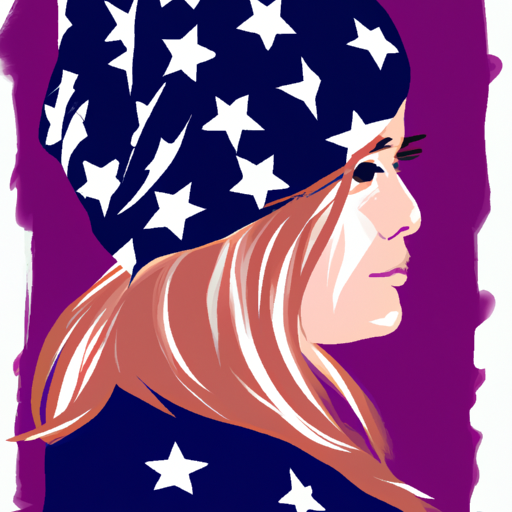
Example of visual style of Lauren Bacall

Lauren Bacall

Lauren Bacall was an iconic film star known for her sophisticated and elegant style. She rose to prominence in the 1940s and 1950s, during the golden age of Hollywood. Bacall's style was characterized by her signature 'film noir' look, which was often defined by high-waisted trousers or skirts, tailored suits, and a sultry, mysterious allure. Her fashion choices exuded confidence and glamour, combining classic silhouettes with a touch of sensuality. Bacall became famous for her smokey eyes, strong eyebrows, and her distinctive deep voice, which added to her allure and made her a style icon. Her timeless elegance and grace made her a fashion inspiration for generations to come.

View StyleExplore Style
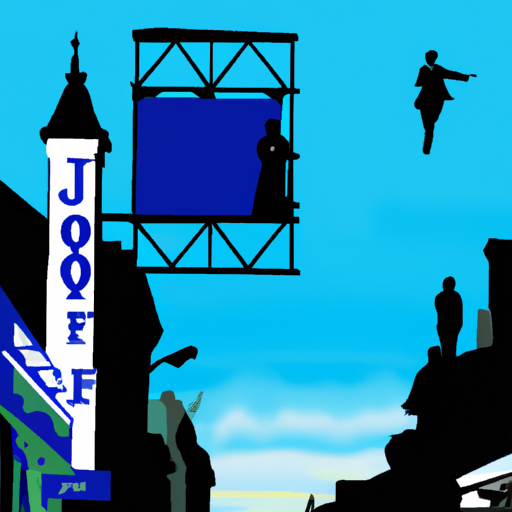
Example of visual style of Sin City

Sin City

Sin City is a visually distinctive style characterized by high contrast black and white visuals with occasional splashes of vibrant colors. It originated in the genre of film noir and gained widespread recognition through the 2005 film adaptation of Frank Miller's graphic novel of the same name. The style combines the look of classic pulp fiction, crime comics, and the aesthetic of gritty urban landscapes. Sin City's famous visuals are achieved by using digital technology to render live-action footage into stark black and white, emphasizing the play of light and shadow.

View StyleExplore Style
Example of visual style of William Chang

William Chang

William Chang is a renowned Hong Kong film editor and production designer known for his distinctive visual style. His work became famous during the 1990s and 2000s, particularly through his collaborations with director Wong Kar-wai. Chang's style blends elements of film noir, romanticism, and modernism, creating visually stunning and emotionally evocative compositions. He is known for his meticulous attention to detail, use of bold colors, dynamic camera angles, and his ability to create a heightened sense of atmosphere and mood. Chang's innovative editing techniques, including rapid cuts, fragmented narratives, and non-linear storytelling, have had a profound influence on contemporary film editing.

View StyleExplore Style
Home