
Akkadian Empire
Akkadian Empire visual style emerged in Mesopotamia around 2334-2154 BC. It is known for its stylized and exaggerated representations of human figures in art and architecture.
View StyleExplore Style Stylopedia
A visual encyclopedia of figures styles – use as prompt inspiration for Midjourney, Gemini, or ChatGPT AI when making figures images
Akkadian Empire visual style emerged in Mesopotamia around 2334-2154 BC. It is known for its stylized and exaggerated representations of human figures in art and architecture.
View StyleExplore Style
Blek Le Rat is a street art style developed by French artist Xavier Prou, also known as Blek Le Rat. This style emerged in the early 1980s and gained significant recognition in the 1990s. Blek Le Rat is considered the pioneer of stencil graffiti, using stencils to create distinct and easily recognizable images. His work often features black and white figures, typically depicting ordinary people, political activists, or famous personalities. Blek Le Rat's unique approach to street art and his contribution to the urban art movement have made this style famous both in France and internationally.
View StyleExplore Style
Harvey Dunn was an American painter known for his realist style and portrayal of the American West. Active in the late 19th and early 20th centuries, his work became famous for its dramatic lighting, detailed depictions of landscapes and figures, and emotional storytelling. Dunn's art often depicted scenes of cowboys, Native Americans, and pioneers, capturing the spirit of the American frontier. His pivotal role as an illustrator for magazines and books, such as The Saturday Evening Post and Harper's Weekly, further contributed to his fame.
View StyleExplore Style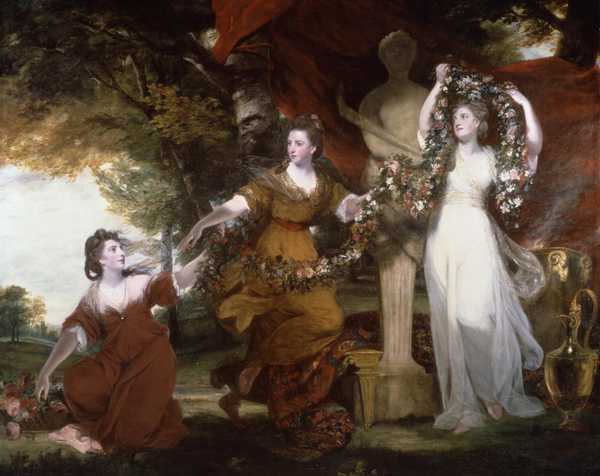
Historical painting is a style of art that depicts historical events, figures, or scenes. This style was popular during the 19th and early 20th centuries when artists like Eugene Delacroix and Gustave Courbet showcased historical events with a sense of drama and grandeur.
View StyleExplore Style
Li Gonglin was a Chinese painter known for his detailed brushwork and realistic depictions of animals, landscapes, and figures. Active during the Tang dynasty (618-907 AD), he was a master of ink and color painting, particularly in his depictions of horses.
View StyleExplore Style
Qi Baishi is a Chinese painter known for his distinctive style characterized by its simplicity and charm. Born in 1864 and active during the 20th century, his art was greatly influenced by traditional Chinese painting techniques and his own creativity. Qi Baishi's fame primarily stems from his ability to depict a wide variety of subjects, including animals, plants, landscapes, and figures. He often utilized bold brushstrokes and vibrant colors to create lively and expressive compositions. His unique artistic approach garnered international recognition and established him as one of the most renowned Chinese painters of the 20th century.
View StyleExplore Style
Sculpture is a three-dimensional art form that involves shaping and creating figures, objects, or abstract forms from various materials such as stone, wood, clay, metal. It has been practiced throughout history, with significant developments during the ancient civilizations of Greece and Rome. Sculpture gained prominence during the Renaissance era, with Michelangelo's works becoming iconic. This style is characterized by the use of various techniques like carving, modeling, and assembling to create physical forms that can be observed from all angles.
View StyleExplore Style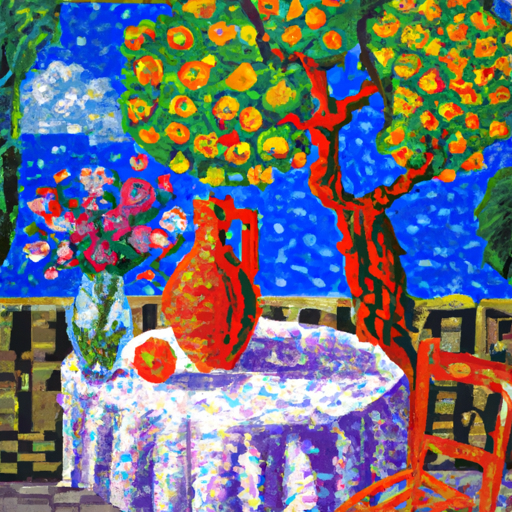
Theo Van Rysselberghe was a prominent Belgian neo-impressionist painter in the late 19th and early 20th centuries. He was one of the leading figures of the pointillism movement, along with Georges Seurat and Paul Signac. Known for his meticulous brushwork and use of bright, pure colors, Rysselberghe's style epitomized the principles of pointillism. His paintings often depicted landscapes, seascapes, and figures, capturing the effects of light through the division of colors. With his innovative technique, Rysselberghe contributed to the development and popularity of pointillism as a distinctive visual style.
View StyleExplore Style