StylopediaStylopedia

Femininity styles on Stylopedia

A visual encyclopedia of femininity styles – use as prompt inspiration for Midjourney, Gemini, or ChatGPT AI when making femininity images

Example of visual style of Christian Dior

Christian Dior

Christian Dior is a French fashion house known for its luxurious and elegant visual style. The style emerged in the late 1940s and became famous with the introduction of Dior's 'New Look' in 1947. The 'New Look' was characterized by a cinched waist, full skirt, and emphasized femininity. It revolutionized post-war fashion and brought a sense of opulence back to the industry. Dior's designs were often elaborate, with intricate detailing, luxurious fabrics, and a focus on tailored silhouettes.

View StyleExplore Style
Example of visual style of Emanuel Ungaro

Emanuel Ungaro

Emanuel Ungaro is a visual style that emerged in the 1960s and became famous for its vibrant and flamboyant designs. It is characterized by its use of bold colors, intricate patterns, and luxurious fabrics. Emanuel Ungaro, the French fashion designer, was known for his innovative and sensual approach to fashion, which brought a more avant-garde and daring aesthetic to the industry. His designs often featured asymmetrical cuts, ruffles, and draping, creating a sense of movement and femininity. Ungaro's style gained popularity in the 1980s and 1990s, and his creations were worn by many celebrities and fashion icons.

View StyleExplore Style
Example of visual style of Fish Tank

Fish Tank

Fish Tank is a visual style that emerged in the late 2000s. It gained popularity with the release of the critically acclaimed film of the same name in 2009. This style is characterized by its gritty, realistic depiction of working-class life and its focus on characters facing social and personal struggles. Fish Tank style is known for its handheld camera work, natural lighting, and use of naturalistic colors. It often explores themes of adolescence, femininity, and social inequality.

View StyleExplore Style
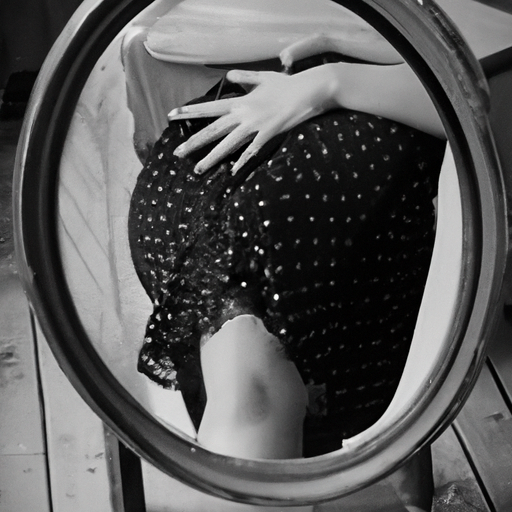
Example of visual style of Francesca Woodman

Francesca Woodman

Francesca Woodman was an American photographer known for her black and white self-portraits. Her works were produced in the late 1970s and early 1980s. Woodman's style is characterized by surreal and haunting compositions, often exploring themes of identity, femininity, and the body. Her photographs blend elements of performance and vulnerability, capturing herself in ethereal and ghostly settings. Woodman's work gained recognition posthumously and has influenced subsequent generations of photographers.

View StyleExplore Style
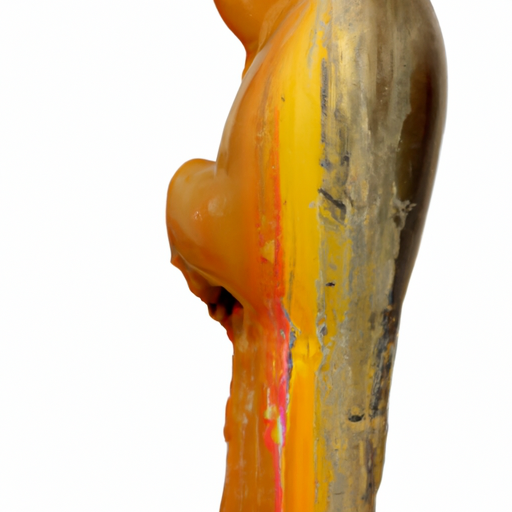
Example of visual style of Louise Bourgeois

Louise Bourgeois

Louise Bourgeois was a French-American artist known for her unique and diverse visual style. Born in 1911, Bourgeois gained recognition in the late 20th century for her innovative and thought-provoking sculptures, installations, and prints. Her works often explore themes of sexuality, femininity, and the human condition. Bourgeois' use of unconventional materials, such as fabric, plaster, and metal, along with her skillful craftsmanship, contributed to her fame and influence in the art world.

View StyleExplore Style
Example of visual style of Maria Grazia Chiuri

Maria Grazia Chiuri

Maria Grazia Chiuri is known for her elegant and romantic visual style. She gained fame as the first female creative director of Dior in 2016, after creating a successful partnership with Pierpaolo Piccioli as creative directors of Valentino. Her designs are characterized by flowing silhouettes, delicate detailing, and a focus on femininity. She often incorporates lace, embroidery, and intricate appliqués into her collections. Chiuri's style became famous for its modern take on traditional craftsmanship, combining classical elegance with a contemporary edge. Her iconic and empowering designs have resonated with women around the world.

View StyleExplore Style
Example of visual style of Marlene Dietrich

Marlene Dietrich

Marlene Dietrich's visual style emerged in the 1930s and remained influential through the mid-20th century. Known for her androgynous and glamorous persona, Dietrich popularized the tuxedo-inspired fashion for women, often wearing tailored suits, fedora hats, and bow ties. Her style was characterized by a sense of elegant sophistication and a strong, confident demeanor. Dietrich's fashion choices challenged traditional gender norms at the time and became an iconic symbol of empowered femininity.

View StyleExplore Style
Example of visual style of Miriam Schapiro

Miriam Schapiro

Miriam Schapiro was a prominent figure in the feminist art movement. Her visual style emerged in the 1970s and is characterized by a vibrant and colorful aesthetic. Schapiro's work often incorporated collage and mixed media, combining various materials such as fabric, paper, and paint. Her central themes included femininity, domesticity, and the role of women in society. Schapiro's style gained fame for its bold use of color and its innovative approach to incorporating traditional craft techniques into fine art.

View StyleExplore Style
Example of visual style of Romantic Fashion

Romantic Fashion

Romantic Fashion emerged in the late 18th century and reached its peak during the 19th century. This style was characterized by a focus on femininity, delicacy, and elegance. Romantic fashion was known for its soft, flowing fabrics, pastel colors, and intricate details such as lace, ruffles, and bows. It often included empire-waist dresses, corsets, puffed sleeves, and floral prints. Romantic Fashion became famous during the Victorian era, when women's fashion underwent a dramatic transformation emphasizing a romanticized and sentimental aesthetic.

View StyleExplore Style
Home