StylopediaStylopedia

Feminine styles on Stylopedia

A visual encyclopedia of feminine styles – use as prompt inspiration for Midjourney, Gemini, or ChatGPT AI when making feminine images

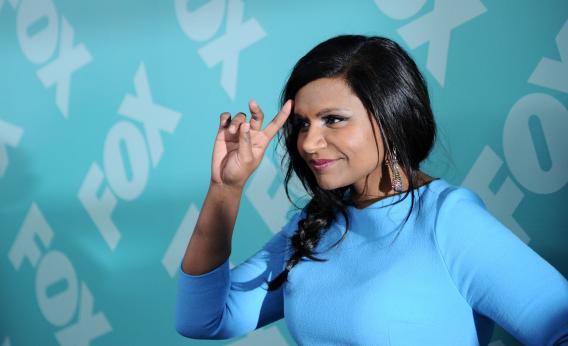
Example of visual style of Adele

Adele

The Adele visual style emerged in the late 2000s and gained popularity in the early 2010s. Known for its vintage-inspired and romantic aesthetic, this style is named after the iconic British singer Adele. Adele's music and image, characterized by her soulful voice, classic fashion choices, and nostalgic charm, greatly influenced popular culture. The Adele visual style exudes elegance, with a focus on timeless beauty, retro fashion elements, and soft, dreamy imagery. It has become synonymous with vintage-inspired fashion, classic Hollywood glamour, and a sense of nostalgia. This style has a strong emphasis on femininity and often incorporates elements such as flowing dresses, retro hairstyles, and subtle makeup. Overall, the Adele visual style celebrates a romantic and elegant aesthetic with a nod to the past.

View StyleExplore Style

Example of visual style of Alber Elbaz

Alber Elbaz

Alber Elbaz is known for his elegant and feminine designs that combine modernity with timeless sophistication. His style can be described as architectural, fluid, and refined. Elbaz rose to fame during his tenure as the creative director at Lanvin from 2001 to 2015, where he rejuvenated the brand and earned critical acclaim. Known for his attention to detail and exquisite craftsmanship, Elbaz's designs often feature draping, pleating, and luxurious fabrics. His ability to create flattering silhouettes and his emphasis on celebrating women's individuality have made him a beloved figure in the fashion industry.

View StyleExplore Style
Example of visual style of Audrey Kawasaki

Audrey Kawasaki

Audrey Kawasaki is a contemporary artist known for her distinctive and alluring visual style. Her work combines elements of Japanese manga, Art Nouveau, and traditional woodblock printing. Kawasaki's images typically feature ethereal female figures with pale skin, long flowing hair, and expressive eyes. Her art is characterized by a delicate blend of organic and geometric shapes, often surrounded by intricate patterns and intricate linework. Kawasaki started gaining recognition in the early 2000s through her online presence and participation in group exhibitions. Her work quickly became popular due to its sensual and enigmatic nature, which captivated audiences worldwide.

View StyleExplore Style
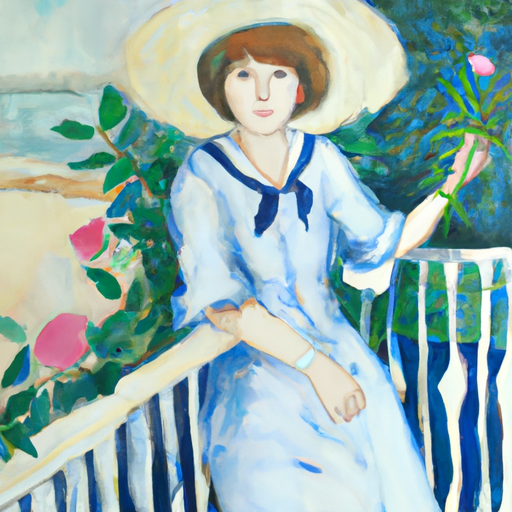
Example of visual style of Berthe Morisot

Berthe Morisot

Berthe Morisot was one of the leading figures of Impressionism during the late 19th and early 20th centuries. Her style is characterized by the use of loose brushwork, bright colors, and an emphasis on capturing the fleeting effects of light. Morisot's work often depicted intimate scenes of domestic life and landscapes, showcasing her ability to convey a sense of atmosphere and emotion through her brushstrokes. She gained fame for her unique perspective as a female artist in a male-dominated field and for her significant contributions to the Impressionist movement.

View StyleExplore Style
Example of visual style of Breakfast At Tiffanys

Breakfast At Tiffanys

Breakfast At Tiffanys is a visual style known for its iconic portrayal in the 1961 film of the same name, directed by Blake Edwards and starring Audrey Hepburn. The style became famous for its timeless elegance, sophistication, and glamour. Taking place in the early 1960s, the film showcased the fashion and aesthetics of the era, with sleek and feminine silhouettes, exquisite jewelry, and a combination of classic and modern design elements. The style of Breakfast At Tiffanys is characterized by chic and polished looks, with a focus on Audrey Hepburn's iconic little black dress, oversized sunglasses, and statement accessories.

View StyleExplore Style
Example of visual style of Bryce Dallas Howard

Bryce Dallas Howard

The Bryce Dallas Howard visual style represents a contemporary and elevated fashion sense. This style emerged in the early 2000s, gaining prominence throughout the years. Known for her elegant and sophisticated appearances on the red carpet, Bryce Dallas Howard has become an iconic figure in the fashion world. She is often characterized by her choice of bold and vibrant colors, intricate detailing, and a preference for flowing and figure-flattering silhouettes. Bryce Dallas Howard's style is celebrated for its timeless and feminine aesthetic, capturing attention and making a statement wherever she goes.

View StyleExplore Style
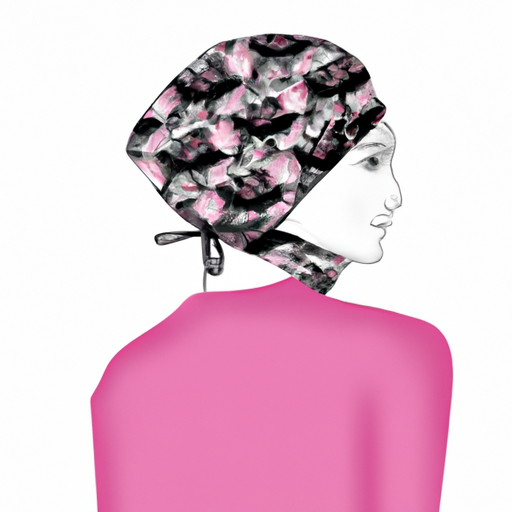
Example of visual style of Edwardian Fashion

Edwardian Fashion

Edwardian Fashion refers to the clothing styles popular in Britain during the reign of King Edward VII, from 1901 to 1910. This era marked a transition from the restrictive corseted styles of the Victorian era to a more relaxed and comfortable silhouette. Edwardian Fashion is famous for its elegant and sophisticated looks, characterized by high collars, tailored jackets, long skirts, and intricate details such as lace and beading. The style also saw the introduction of new fabrics like chiffon and silk, which added a lighter and more ethereal quality to women's clothing. Edwardian Fashion became known for its luxurious and feminine designs, epitomized by the famous fashion designer Charles Worth.

View StyleExplore Style
Example of visual style of Elie Saab

Elie Saab

Elie Saab is a renowned Lebanese fashion designer known for his exquisite couture and red carpet gowns. His style is characterized by feminine elegance, intricate detailing, and a modern yet timeless aesthetic. Elie Saab gained worldwide recognition in 2002 when Halle Berry wore his burgundy gown to accept the Academy Award for Best Actress, making him a go-to designer for Hollywood celebrities. His designs often feature luxurious fabrics, delicate embroidery, and flowing silhouettes, elevating any woman who wears them to a regal status.

View StyleExplore Style
Example of visual style of Elisabeth Vigee Le Brun

Elisabeth Vigee Le Brun

Elisabeth Vigee Le Brun was a prominent painter during the late 18th and early 19th centuries. Her style is characterized by delicate brushwork, soft colors, and a focus on capturing the personalities and emotions of her subjects. She is famous for her portraits of French royalty and aristocrats, which helped establish her as the official portraitist of Marie Antoinette. Vigee Le Brun's style became popular for its feminine sensitivity and intimate portrayal of individuals.

View StyleExplore Style
Example of visual style of Elizabeth Taylor

Elizabeth Taylor

Elizabeth Taylor was a glamorous and captivating actress who rose to fame during the 1950s and 1960s. Known for her stunning beauty and violet eyes, she became a prominent figure in Hollywood and was one of the most sought-after actresses of her time. Elizabeth Taylor's signature style was characterized by elegance, femininity, and opulence. She often wore form-fitting dresses, luxurious furs, and sparkling jewelry, exuding a sense of sensuality and sophistication. Her style was influential and continues to be celebrated for its timeless elegance.

View StyleExplore Style
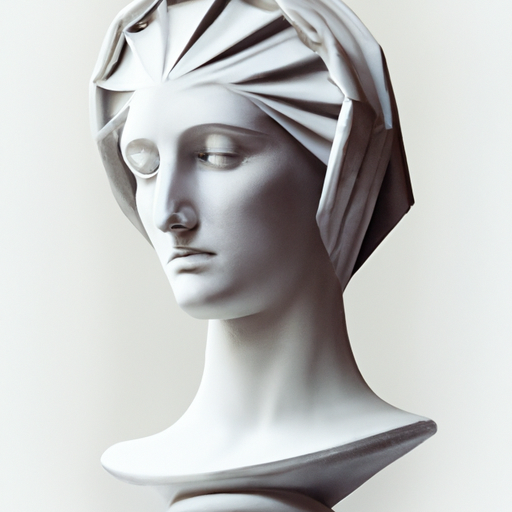
Example of visual style of Haider Ackermann

Haider Ackermann

Haider Ackermann is a fashion designer known for his striking androgynous styles. His designs feature sharp tailoring, rich textures, and a mix of contrasting colors. He gained recognition in the early 2000s for his unique ability to blend feminine and masculine elements, creating a style that is both edgy and elegant. Ackermann's innovative use of draping and layering techniques further enhanced his reputation. His designs have become famous for their luxurious and avant-garde aesthetic.

View StyleExplore Style
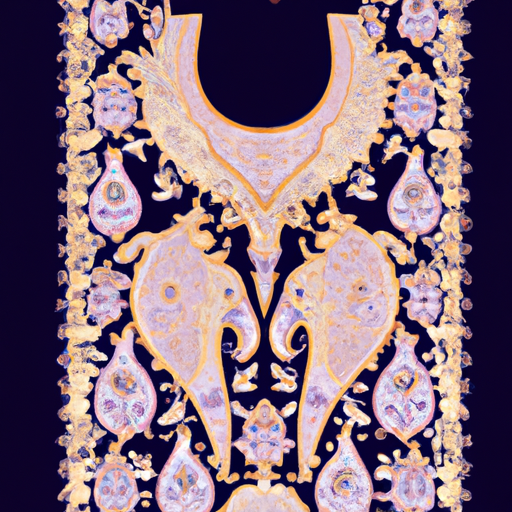
Example of visual style of Jeanne Lanvin

Jeanne Lanvin

Jeanne Lanvin was a prominent French fashion designer who founded the luxury fashion house Lanvin in 1889. Her style was characterized by elegant and feminine designs, often featuring intricate embroidery, delicate fabrics, and tasteful embellishments. Lanvin's designs gained international recognition in the early 20th century, particularly during the 1920s and 1930s. Her emphasis on craftsmanship and attention to detail earned her a reputation for creating timeless and glamorous pieces that transcended trends.

View StyleExplore Style
Home