Access Hollywood
Access Hollywood is a flashy and glamorous visual style that features bold colors, sleek graphics, and fast-paced editing. It became famous in the late 1990s as a popular entertainment news program.
View StyleExplore Style Stylopedia
A visual encyclopedia of fast-paced editing styles – use as prompt inspiration for Midjourney, Gemini, or ChatGPT AI when making fast-paced editing images
Access Hollywood is a flashy and glamorous visual style that features bold colors, sleek graphics, and fast-paced editing. It became famous in the late 1990s as a popular entertainment news program.
View StyleExplore Style
American Television style refers to the visual aesthetic commonly found in television shows produced in the United States from the late 20th century onwards. This style is characterized by high-quality production values, vivid colors, fast-paced editing, and a focus on realism or fantasy depending on the genre.
View StyleExplore Style
The visual style of Chris Dickens is characterized by fast-paced editing, innovative use of visual effects, and unique storytelling techniques. Dickens gained fame for his work on films like Slumdog Millionaire and 1917.
View StyleExplore Style
Comedy TV shows are characterized by bright colors, exaggerated facial expressions, and fast-paced editing, popularized in the mid-20th century by shows like 'I Love Lucy' and 'The Dick Van Dyke Show'. These shows use humor and satire to entertain and often feature comedic timing and physical comedy.
View StyleExplore Style
Edgar Wright is a British director known for his distinct visual style, characterized by fast-paced editing, creative camera work, and a combination of humor and action. His films, such as 'Shaun of the Dead' (2004), 'Hot Fuzz' (2007) and 'Baby Driver' (2017), have gained a cult following and critical acclaim. Wright's style often involves clever visual storytelling techniques, including visual gags, quick cuts, and inventive use of music. His distinctive blend of comedy, genre tropes, and stylized visuals has made him famous among film enthusiasts.
View StyleExplore Style
Entertainment Tonight is a visually lively and energetic style of presenting news and gossip related to the entertainment industry. It gained significant popularity starting from the 1980s with its flashy graphics, energetic hosts, and constant updates on celebrity news, music, movies, and television shows. This style became famous for its fast-paced editing, bold colors, glamorous visuals, and exclusive celebrity interviews.
View StyleExplore Style
The Eric Andre visual style is chaotic, surreal, and absurd. It combines bright colors, fast-paced editing, and unpredictable humor. Popularized by the comedy series 'The Eric Andre Show', this style is known for its DIY aesthetic and off-the-wall approach to comedy.
View StyleExplore Style
The Guy Ritchie visual style is characterized by fast-paced editing, stylish camera work, and gritty, urban settings. This style gained popularity in the late 1990s and early 2000s with films like 'Lock, Stock and Two Smoking Barrels' and 'Snatch'.
View StyleExplore Style
John Landis is a director known for his vibrant and comedic visual style in films from the 1970s to the 1990s. His signature style often features fast-paced editing, exaggerated camera movements, and comedic setups.
View StyleExplore Style
Margaret Sixel is known for her fast-paced editing style, particularly in the films directed by George Miller such as Mad Max: Fury Road (2015). Her editing techniques create a sense of chaos and intensity on screen.
View StyleExplore Style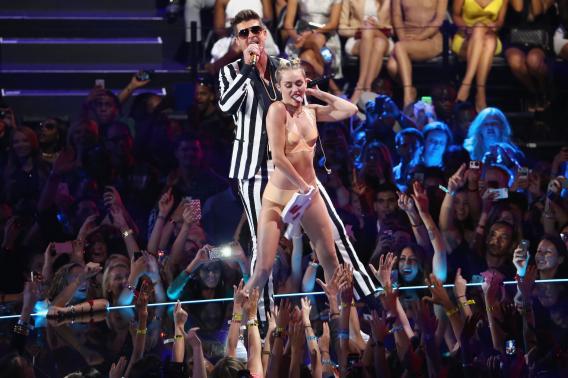
Mtv Music Videos style emerged in the 1980s and became famous for its fast-paced editing, vivid colors, and innovative visual effects. The videos often featured a mix of live-action footage, animation, and special effects, creating a dynamic and energetic visual experience.
View StyleExplore Style
Tony Scott's visual style is characterized by its high-energy, stylized and visually dynamic aesthetics. It gained prominence in the 1980s and continued to be influential until his death in 2012. Tony Scott's style is famous for its vibrant color palettes, dramatic lighting, fast-paced editing, and innovative camera techniques. His signature use of filters, lens flares, and intense saturation creates a heightened sense of action and intensity in his films. Tony Scott's visual style often blurs the line between reality and fiction, transporting viewers into a hyper-stylized world.
View StyleExplore Style