StylopediaStylopedia

Fantasy styles on Stylopedia

A visual encyclopedia of fantasy styles – use as prompt inspiration for Midjourney, Gemini, or ChatGPT AI when making fantasy images

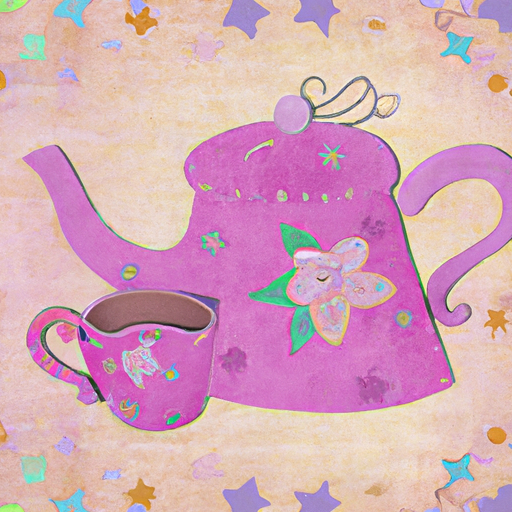
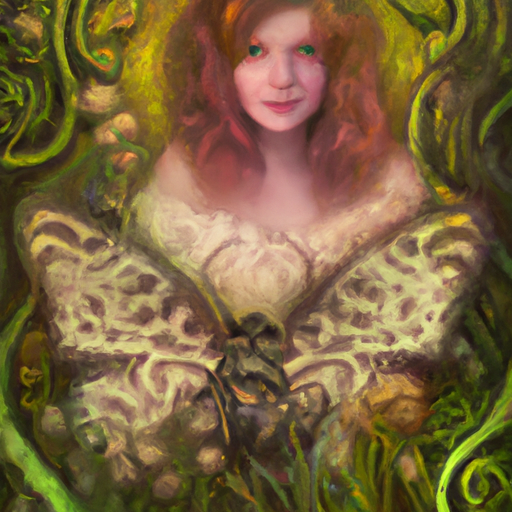
Example of visual style of Akihiko Yoshida

Akihiko Yoshida

Akihiko Yoshida is a renowned Japanese artist and character designer known for his unique visual style. His style is characterized by beautifully detailed and intricate character designs, with a delicate balance between realism and fantasy. With a career spanning over two decades, Yoshida gained prominence in the late 1990s and early 2000s for his work on several iconic video games, including the 'Final Fantasy' series and 'Vagrant Story'. His intricate character designs and attention to detail made him famous in the gaming industry, and his work continues to inspire and captivate audiences.

View StyleExplore Style
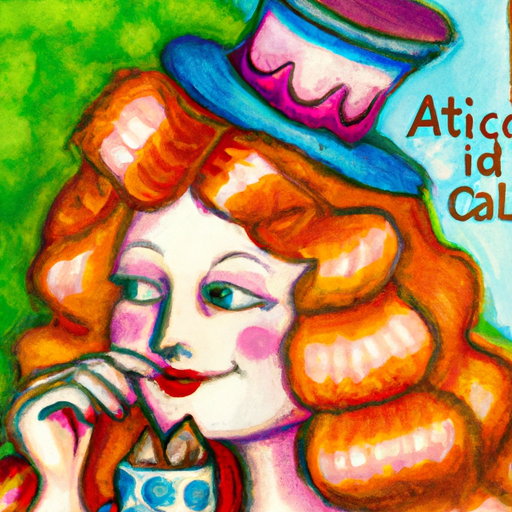
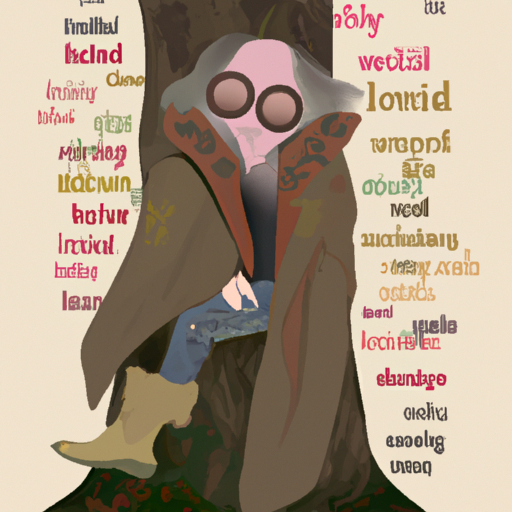
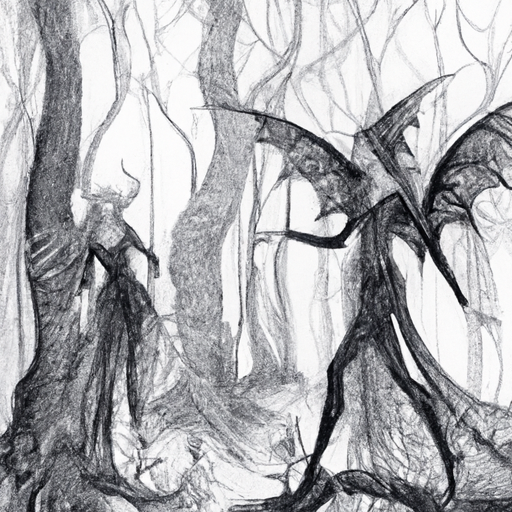
Example of visual style of Alice In Wonderland

Alice In Wonderland

Alice In Wonderland is a whimsical and fantastical visual style that gained popularity in the mid-19th century. It became famous through Lewis Carroll's novel 'Alice's Adventures in Wonderland' and its subsequent adaptations. This style is characterized by surreal and exaggerated elements, vivid and vibrant colors, anthropomorphic creatures, intricate patterns, and a sense of playfulness. It is inspired by the Victorian era and often incorporates elements of fantasy and imagination.

View StyleExplore Style
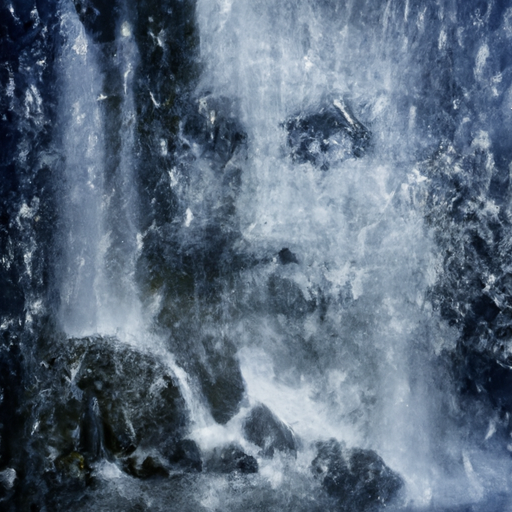
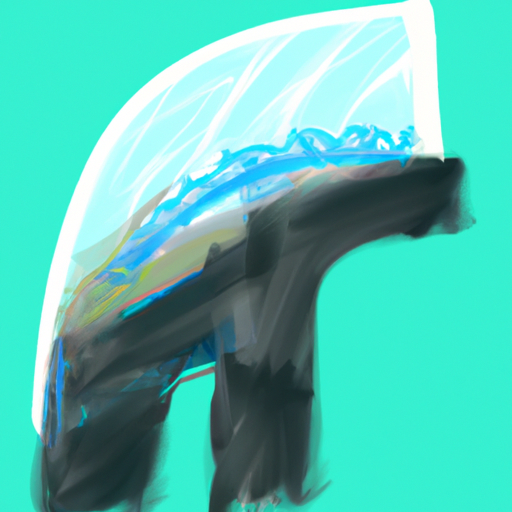
Example of visual style of Aline Bonetto

Aline Bonetto

Aline Bonetto is a production designer known for her work in film, particularly in the fantasy and science fiction genres. Her visual style is characterized by attention to detail and a strong emphasis on world-building. Bonetto's work became famous in the early 2000s when she collaborated with director Jean-Pierre Jeunet on the films 'Amélie' (2001) and 'A Very Long Engagement' (2004). Her meticulous set designs and imaginative environments created immersive and visually stunning worlds that captivated audiences.

View StyleExplore Style
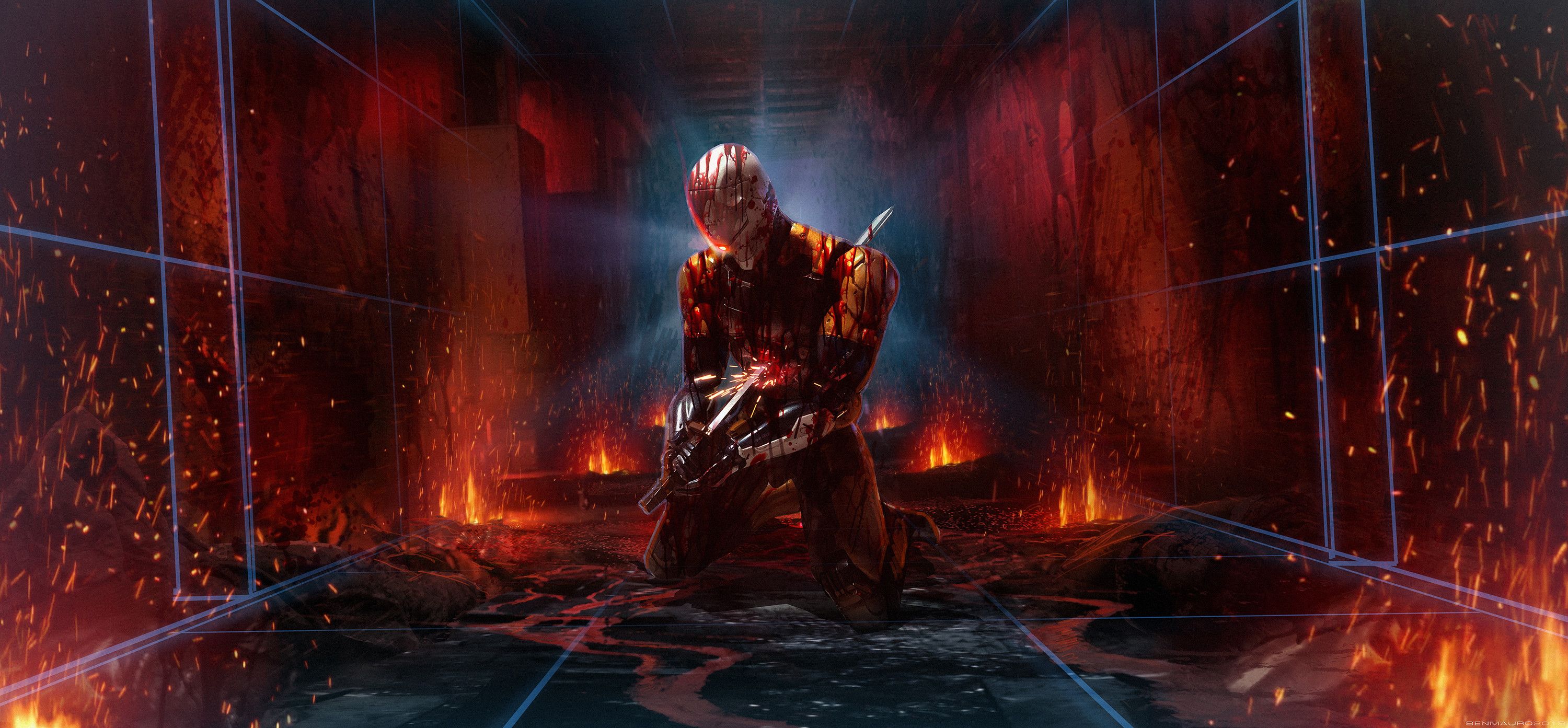
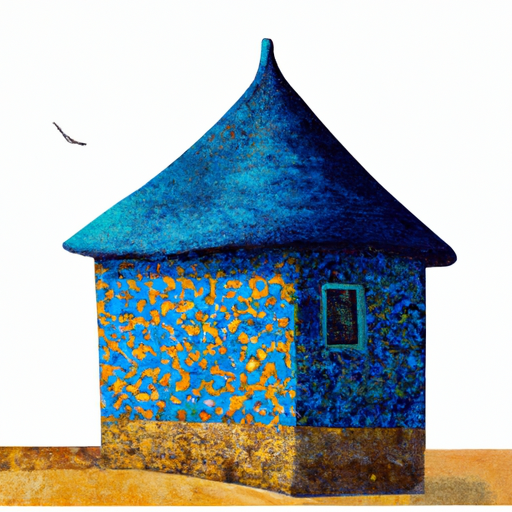
Example of visual style of Anime Art

Anime Art

Anime Art is a popular visual style originating from Japan. It gained significant prominence in the 1980s and has since become a global phenomenon. Anime Art is characterized by its distinctive and vibrant animation, often featuring colorful and exaggerated characters with large, expressive eyes. This style incorporates elements of traditional Japanese art and culture, mixed with modern influences. It is known for its wide variety of genres, including action, fantasy, romance, and science fiction, which have contributed to its immense popularity worldwide.

View StyleExplore Style
Example of visual style of Anime Style

Anime Style

Anime style is a distinctive art form that originated in Japan in the 20th century. It gained popularity in the mid-1960s and continues to be widely recognized today. This style is characterized by its colorful and vibrant visuals, exaggerated features, expressive facial expressions, and often intricate backgrounds. Anime became famous for its ability to captivate audiences with imaginative storytelling and compelling characters, often crossing genres to explore a wide range of themes, from fantasy and science fiction to romance and drama.

View StyleExplore Style
Example of visual style of Anime Style Graphics

Anime Style Graphics

Anime Style Graphics is a distinctive and popular style of animation originating from Japan. This style rose to prominence in the 1960s and has since become a global phenomenon. Known for its vibrant colors, exaggerated features, and expressive facial expressions, anime has captivated audiences with its unique storytelling and imaginative worlds. It combines elements of traditional Japanese art with influences from Western animation. Anime Style Graphics gained widespread recognition through iconic series like Dragon Ball, Sailor Moon, and Naruto, as well as films by renowned directors like Hayao Miyazaki. Its fusion of fantasy, action, and emotional depth continues to make it a celebrated and influential visual style worldwide.

View StyleExplore Style
Example of visual style of Antoine Watteau

Antoine Watteau

Antoine Watteau was a French painter of the Rococo style in the early 18th century. His style is characterized by delicate pastel colors, fluid brushstrokes, and a sense of movement. Watteau's paintings often depicted fêtes galantes, which were scenes of elegant outdoor gatherings and romantic themes set in lush landscapes. His works showcased a combination of fantasy and reality, evoking a sense of enchantment and escapism. Watteau's art became famous for its portrayal of the aristocratic lifestyle and its influence on the Rococo movement in France.

View StyleExplore Style
Example of visual style of Beksinski

Beksinski

Beksinski is a gothic and surrealist visual style that emerged in the late 20th century. It is named after the Polish artist Zdzislaw Beksinski, who gained prominence in the 1980s and 1990s. Beksinski's works are characterized by dark, atmospheric landscapes, abstract forms, and distorted figures. Known for his dystopian and apocalyptic themes, Beksinski's art often evokes feelings of melancholy and despair. His unique style combines elements of surrealism, expressionism, and fantasy, creating haunting and otherworldly imagery.

View StyleExplore Style
Example of visual style of Brian Frouds Faeries

Brian Frouds Faeries

Brian Froud's Faeries is a captivating visual style known for its intricate and whimsical depictions of faeries and magical creatures. Developed by Brian Froud, an English fantasy artist and conceptual designer, this style gained fame in the 1970s and 1980s through Froud's collaborations with author Alan Lee on the influential book 'Faeries' and the movie 'The Dark Crystal'. Froud's attention to detail and ability to bring fantastical creatures to life made this style widely celebrated and beloved by fantasy enthusiasts and art lovers alike.

View StyleExplore Style
Example of visual style of Cardcaptor Sakura

Cardcaptor Sakura

Cardcaptor Sakura is a visually vibrant and whimsical style that was popularized through the manga and anime series of the same name, created by Clamp. Originally serialized in 1996, Cardcaptor Sakura gained immense popularity for its distinctive and enchanting art style. The series revolves around Sakura Kinomoto, a young girl who becomes a magical girl and must capture magical Clow Cards. The style is characterized by its cute and expressive characters, intricate and detailed backgrounds, and the use of vibrant colors. It seamlessly combines elements of fantasy, romance, and adventure, creating a visually stunning and immersive world.

View StyleExplore Style
Example of visual style of Colleen Atwood

Colleen Atwood

Colleen Atwood is known for her visually stunning and intricately detailed costume designs in film. With a career spanning several decades, she rose to prominence in the 1990s and 2000s as a powerhouse in the industry. Atwood's style showcases a masterful blend of historical accuracy, fantasy, and contemporary elements, creating costumes that not only enhance character development but also become iconic in their own right. Her attention to detail, creative use of color and texture, and ability to capture the essence of different time periods and fictional worlds have made her a highly sought-after costume designer.

View StyleExplore Style
Example of visual style of Concept art

Concept art

Concept Art is a style of illustration that is used to convey an initial visual representation of ideas, designs, and concepts for various forms of media such as films, video games, and animations. It gained prominence in the 1970s and 1980s with the rise of science fiction and fantasy genres. Concept Art became famous for its ability to create imaginative and fantastical worlds, creatures, and characters. Artists in this style use a combination of traditional and digital techniques to create detailed and visually stunning artwork that sets the tone and direction for the final visual production.

View StyleExplore Style
Example of visual style of Concept Art Illustration

Concept Art Illustration

Concept Art Illustration is a style of visual art that is used for designing and developing ideas for various media, particularly for films, video games, and animation. It emerged in the mid-20th century and gained popularity in the 1970s and 1980s. This style became famous for its ability to create imaginative and fantastical worlds and characters through detailed and often highly rendered illustrations. Concept artists are known for their use of vibrant colors, intricate details, and strong storytelling elements.

View StyleExplore Style
Example of visual style of Dark Fantasy

Dark Fantasy

Dark Fantasy is a visual style characterized by its eerie and mysterious atmosphere, combining elements of fantasy and horror. It emerged in the late 18th century with the Gothic literature movement, gaining popularity in the 19th and early 20th centuries. Dark Fantasy is often associated with macabre and supernatural themes, featuring haunted landscapes, grotesque creatures, and dramatic lighting. Its fame grew through the works of authors like Edgar Allan Poe and artists like Hieronymus Bosch.

View StyleExplore Style
Example of visual style of Discworld

Discworld

Discworld is a visual style inspired by the fantasy book series of the same name written by Terry Pratchett. It became famous in the late 1980s and has since gained a massive following. The style captures a unique blend of whimsical fantasy, satirical comedy, and intricate world-building. It is characterized by vibrant and detailed illustrations depicting the fantastical landscapes, diverse and quirky characters, and the humorous and often satirical elements present throughout the Discworld series.

View StyleExplore Style
Example of visual style of Disney Princesses

Disney Princesses

Disney Princesses is a visual style that became famous through the iconic animated films produced by Walt Disney Animation Studios. It emerged in the 1930s with the release of Snow White and the Seven Dwarfs, the first-ever full-length animated feature. This style is characterized by vibrant and colorful visuals, with an emphasis on beauty, grace, and fantasy. The Disney Princesses style evolved over the years, incorporating different artistic techniques and cultural influences. It gained widespread popularity and recognition with films like Cinderella, Sleeping Beauty, The Little Mermaid, Beauty and the Beast, and many others.

View StyleExplore Style

Example of visual style of Disney Studios

Disney Studios

Disney Studios is known for its iconic and distinct visual style that has enchanted audiences for decades. Beginning in the 1920s, Disney Studios revolutionized animation with their use of character-driven storytelling and fluid, colorful animation. The style became widely recognized in the industry as 'Disney animation'. This style gained immense fame and popularity with movies like Snow White and the Seven Dwarfs (1937), The Little Mermaid (1989), and Frozen (2013), among many others. It is characterized by vibrant and expressive characters, meticulously detailed backgrounds, and an emphasis on magic and fantasy. Disney Studios' commitment to storytelling, innovation, and creating memorable characters has made this style beloved by audiences of all ages.

View StyleExplore Style
Example of visual style of Dnangel

Dnangel

Dnangel is an anime and manga series created by Yukiru Sugisaki. It was first serialized in 1997 and adapted into an anime series in 2003. The visual style of Dnangel is characterized by its detailed and intricate character designs, particularly the flowing and dynamic hairstyles. The use of vibrant and contrasting colors adds to the overall visually stunning experience. This style became famous for its unique blend of romance, fantasy, and action, along with its captivating storytelling.

View StyleExplore Style
Example of visual style of Dragon Ball

Dragon Ball

Dragon Ball is a Japanese manga and anime series created by Akira Toriyama. It was first serialized in 1984 and later adapted into multiple animated television series, movies, and video games. The visual style of Dragon Ball is characterized by vibrant, colorful artwork with a distinctive blend of fantasy and science fiction elements. The characters are often portrayed with exaggerated features, dynamic poses, and intense battle scenes. Dragon Ball became famous for its captivating storytelling, memorable characters, and its influential impact on the anime and manga industry.

View StyleExplore Style
Home