StylopediaStylopedia

Fantastical styles on Stylopedia

A visual encyclopedia of fantastical styles – use as prompt inspiration for Midjourney, Gemini, or ChatGPT AI when making fantastical images

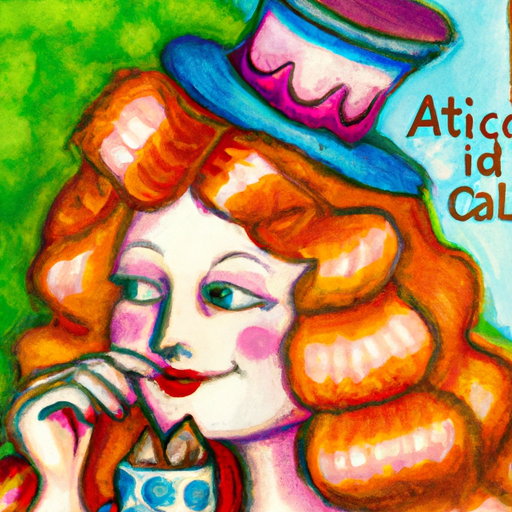
Example of visual style of Alice In Wonderland

Alice In Wonderland

Alice In Wonderland is a whimsical and fantastical visual style that gained popularity in the mid-19th century. It became famous through Lewis Carroll's novel 'Alice's Adventures in Wonderland' and its subsequent adaptations. This style is characterized by surreal and exaggerated elements, vivid and vibrant colors, anthropomorphic creatures, intricate patterns, and a sense of playfulness. It is inspired by the Victorian era and often incorporates elements of fantasy and imagination.

View StyleExplore Style
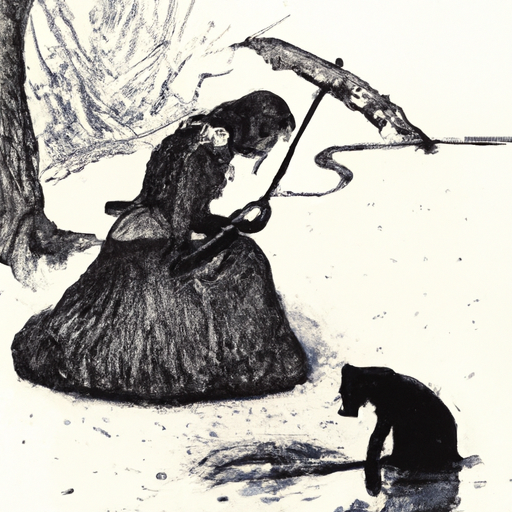
Example of visual style of Anime Directors

Anime Directors

Anime Directors is a visual style rooted in the world of Japanese animation. It emerged in the mid-20th century and gained global recognition in the late 20th and early 21st centuries. Anime Directors are known for their unique storytelling techniques, distinct character designs, vibrant color palettes, and often fantastical and imaginative worlds. This style became famous for its ability to captivate audiences with emotionally-driven narratives, complex themes, and visually stunning animation. Some notable years for Anime Directors include the 1980s and 1990s, featuring works by influential directors like Hayao Miyazaki and Mamoru Oshii. This style continues to evolve and inspire artists and filmmakers worldwide.

View StyleExplore Style

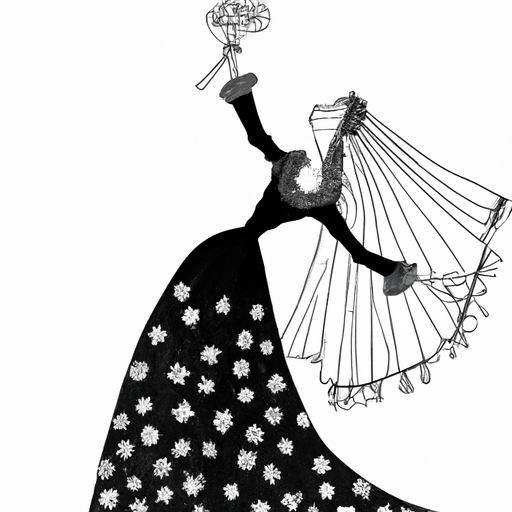
Example of visual style of Beatrice Coron

Beatrice Coron

Beatrice Coron is a contemporary artist known for her intricate cut paper artworks. Her visual style is characterized by highly detailed and elaborate paper cuttings, resulting in mesmerizing silhouettes and intricate designs. She creates narratives and stories through her cuttings, which often depict scenes from everyday life or fantastical worlds. Her work gained popularity in the 1990s and continues to be highly regarded in the contemporary art world. Coron's unique approach to paper cutting and her ability to transform simple material into complex and compelling artworks is what made her famous.

View StyleExplore Style
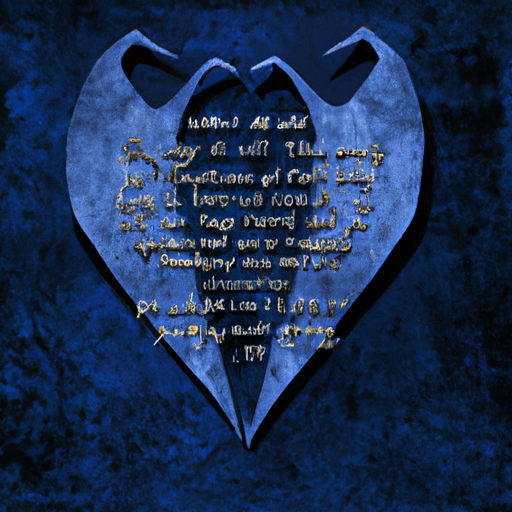
Example of visual style of Bjork

Bjork

The Bjork visual style emerged in the late 1990s and became famous for its avant-garde, futuristic, and eclectic aesthetic. Incorporating elements of surrealism, art-pop, and experimental fashion, this style captivated audiences with its imaginative and otherworldly visuals. Bjork's visual style often featured vibrant colors, unconventional costumes, fantastical sets, and visually stunning music videos. Key years include the late 1990s and early 2000s when Bjork collaborated with renowned designers and directors to create visually groundbreaking works like the 'All Is Full of Love' music video and the 'Biophilia' multimedia project.

View StyleExplore Style
Example of visual style of Bodys Isek Kingelez

Bodys Isek Kingelez

Bodys Isek Kingelez is a Congolese artist known for his intricate and fantastical architectural models. From the 1970s until his death in 2015, Kingelez created vibrant and imaginative sculptures that envisioned an idealized future for his native Democratic Republic of Congo. His works, often made from colorful paper, plastic, and other everyday materials, depicted otherworldly cities and buildings filled with hope, optimism, and a rejection of the urban decay and political strife of his time.

View StyleExplore Style
Example of visual style of Camille Rose Garcia

Camille Rose Garcia

Camille Rose Garcia is known for her dark and whimsical style, often depicting surreal and fantastical scenes with a combination of innocence and darkness. Her art is heavily influenced by fairy tales, vintage cartoons, and popular culture. Garcia gained recognition in the early 2000s, particularly with her illustrations for the book "Alice's Adventures in Wonderland". Her unique style, characterized by vibrant colors, intricate details, and juxtaposition of elements, has since gained a cult following.

View StyleExplore Style
Example of visual style of Catherine Martin

Catherine Martin

Catherine Martin is a visual style known for her distinctive and extravagant production designs primarily in the late 20th century and early 21st century. Her work is characterized by a blend of vintage aesthetics with a modern twist, creating visually stunning and immersive worlds. Martin gained fame for her work on movies like 'Moulin Rouge!' (2001) and 'The Great Gatsby' (2013), where she brought to life opulent and fantastical settings that define the style she has become renowned for.

View StyleExplore Style
Example of visual style of Charles Robinson

Charles Robinson

Charles Robinson was an English illustrator who was active during the late 19th century and early 20th century. His style is characterized by intricate and detailed illustrations featuring fantastical and whimsical elements, often with a dark undertone. Robinson's illustrations became famous for their use of bold colors, intricate line work, and elaborate compositions. His work was particularly popular during the Arts and Crafts movement and the golden age of illustration.

View StyleExplore Style
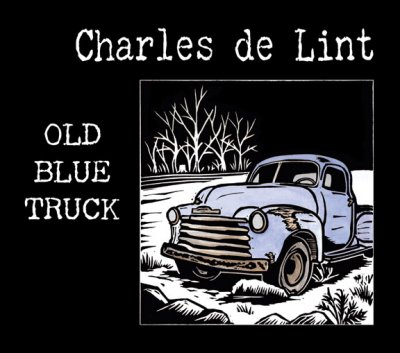
Example of visual style of Clive Barker

Clive Barker

The Clive Barker style can be described as dark, macabre, and fantastical. It emerged in the 1980s and gained fame through Barker's works as a writer, filmmaker, and visual artist. Known for his horror fiction, Barker created a unique and visually striking aesthetic that blends elements of fantasy, surrealism, and grotesque imagery. His vivid imagination and storytelling abilities made him a prominent figure in the horror genre. Barker's style often explores themes of sexuality, body horror, and the blurred lines between the real and the supernatural.

View StyleExplore Style
Example of visual style of Eiko Ishioka

Eiko Ishioka

Eiko Ishioka was a Japanese graphic designer and art director known for her bold and innovative visual style. Her work became famous in the late 20th century and early 21st century. She gained international recognition for her incredibly creative and surreal designs in movies, theatre, and advertising. Ishioka's unique and avant-garde approach to design, characterized by vibrant colors, intricate patterns, and fantastical imagery, captivated audiences worldwide.

View StyleExplore Style
Example of visual style of Eugenio Caballero

Eugenio Caballero

Eugenio Caballero is a Mexican production designer known for his visually striking and imaginative style. His work often blends surrealism, symbolism, and vivid colors to create fantastical and dreamlike environments. Caballero rose to fame in 2006 when he won an Academy Award for Best Art Direction for his work on the film 'Pan's Labyrinth'. His meticulously crafted sets and attention to detail have made him one of the most sought-after production designers in the industry.

View StyleExplore Style
Example of visual style of Feng Zhu

Feng Zhu

Feng Zhu is a renowned concept artist and designer known for his dynamic and cinematic style. His distinct visual style gained popularity in the late 1990s and early 2000s. Zhu became famous for his ability to create epic and immersive environments, characters, and vehicles often seen in blockbuster films and video games. His style combines a strong sense of realism with imaginative and fantastical elements, resulting in awe-inspiring and visually stunning artworks.

View StyleExplore Style
Example of visual style of Franois Schuiten

Franois Schuiten

Franois Schuiten is a Belgian comic book artist and illustrator known for his highly detailed and intricate architectural drawings. His unique visual style, which emerged in the 1980s, combines elements of Art Nouveau and Science Fiction, resulting in a blend of fantastical and futuristic urban landscapes. Schuiten's meticulously crafted illustrations often feature intricate cityscapes, towering buildings, and intricate mechanical structures, creating a sense of awe and wonder. His work became famous for its attention to detail, atmospheric lighting, and his ability to create immersive and otherworldly environments within his drawings.

View StyleExplore Style
Example of visual style of Gerald Brom

Gerald Brom

Gerald Brom is a renowned dark fantasy artist known for his haunting and macabre imagery. His visual style gained popularity in the 1990s and continues to be influential today. Brom's work is characterized by its detailed and evocative portrayal of dark and fantastical subjects such as demons, monsters, vampires, and post-apocalyptic worlds. His unique combination of imaginative storytelling, skillful technique, and richly textured illustrations has made him famous in the genre.

View StyleExplore Style
Example of visual style of Gustave Moreau

Gustave Moreau

Gustave Moreau was a French Symbolist painter who was active from the mid-19th to early 20th century. His visual style can be described as dreamlike and fantastical, often depicting mythological and biblical themes. Moreau's use of vibrant and intense colors, intricate detail, and symbolism set him apart from his contemporaries and made him famous. His works became iconic for their mystical and imaginative qualities, blending religious, historical, and mythical elements into visually stunning compositions.

View StyleExplore Style
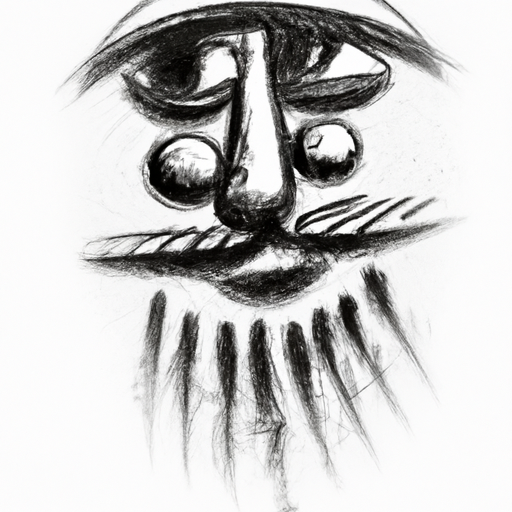
Example of visual style of Hans Christian Andersen

Hans Christian Andersen

The Hans Christian Andersen visual style, popular during the 19th century, is characterized by folk-inspired illustrations that often depict whimsical and fantastical elements. This style gained fame due to the illustrations created by Danish author and fairy tale writer Hans Christian Andersen, who collaborated with numerous artists to bring his stories to life in captivating visual form. The illustrations typically feature a mix of intricate details, vibrant colors, and imaginative scenes, providing a magical and enchanting atmosphere to complement the fairy tales.

View StyleExplore Style

Home